The 5 Most Beautiful Castles in the Loire Valley
Jul 31, 2026 | French Regions
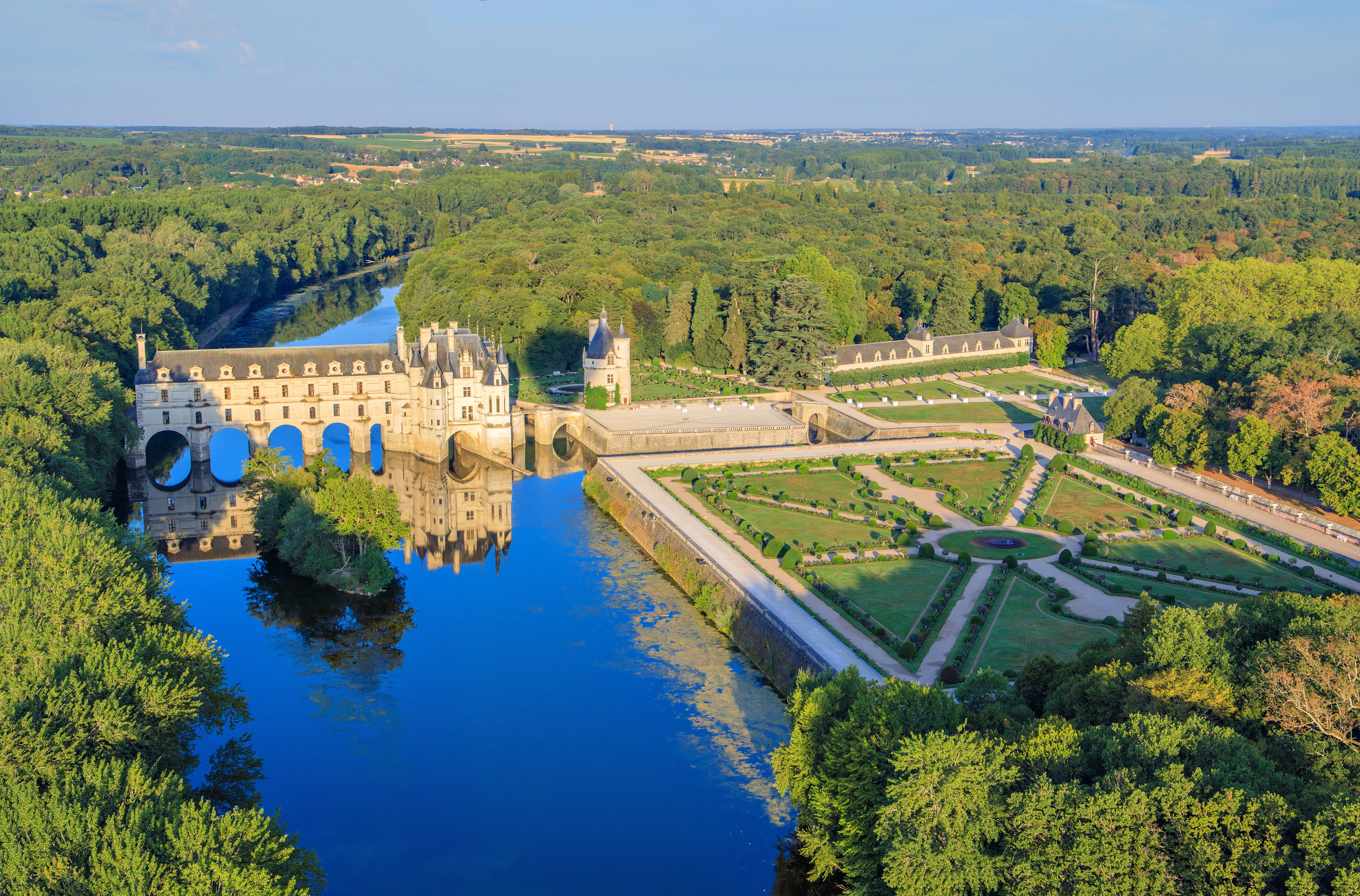
There is a particular light in the Loire Valley that seems made for stone. It softens façades, stretches across formal gardens, and turns river water into reflection. This is one of the reasons the châteaux of the Loire feel so memorable. They are not simply historic residences scattered through the countryside. They belong to a landscape that was shaped, admired, and staged over centuries by kings, queens, courtiers, and ambitious nobles.
To visit the Loire Valley is to move through one of the great theaters of French history. During the late Middle Ages and the Renaissance, the region became a favored territory of the royal court. Power gradually shifted from fortified castles to elegant residences built for hunting, display, politics, and pleasure. That transition is still visible today. The most beautiful Loire Valley castles are not only impressive monuments. They reveal the moment when France began to imagine architecture as an art of prestige, refinement, and lifestyle.
Château de Chambord
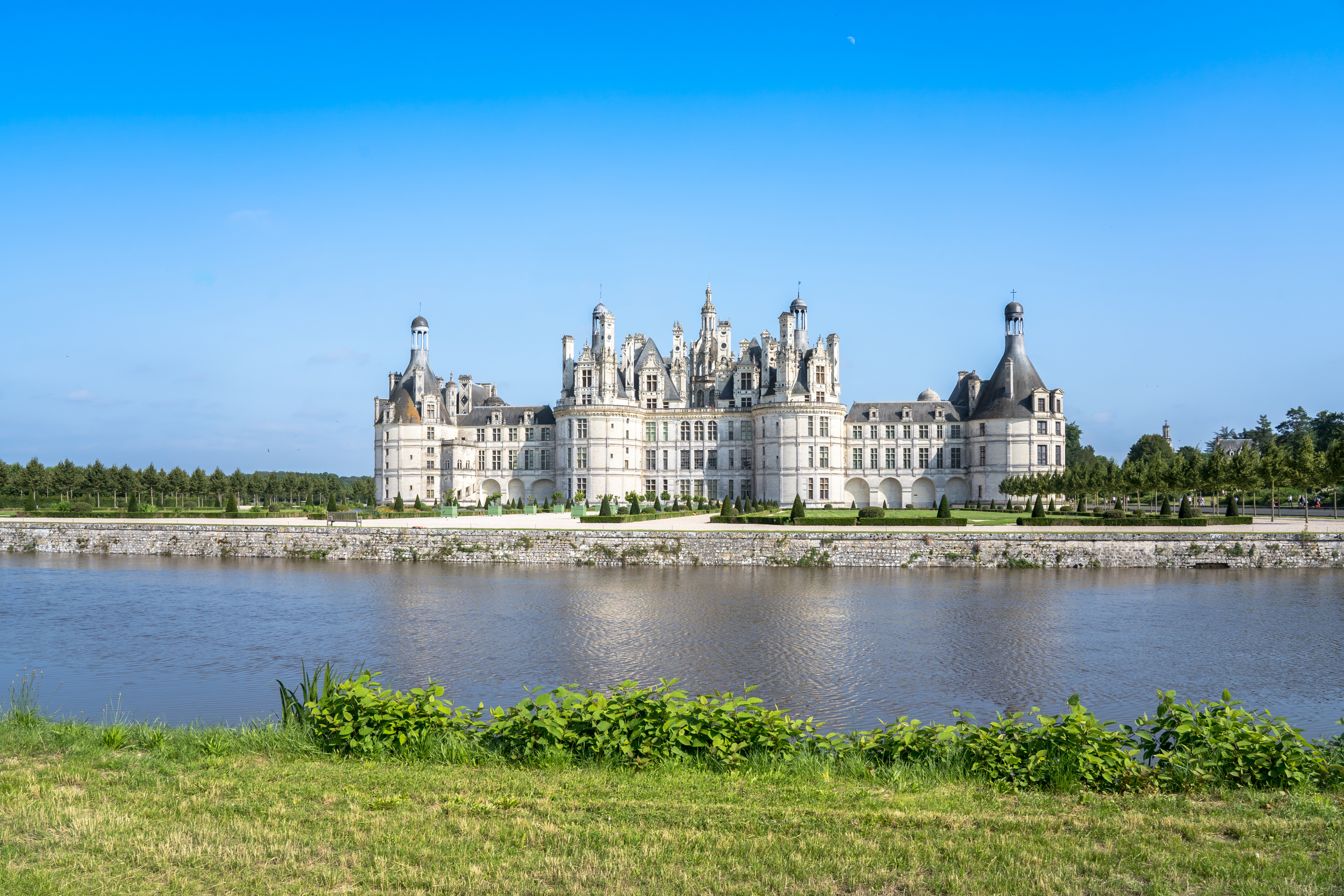
Chambord is the most extraordinary château in the Loire Valley because it feels larger than reason. Commissioned by Francis I in 1519, it was conceived as a hunting lodge, but the word hardly does it justice. With more than 400 rooms, hundreds of chimneys, and a roofline so intricate it resembles a miniature city, Chambord was designed to project royal magnificence on an almost surreal scale.
Its architecture is one of the most fascinating aspects of the building. Although rooted in medieval forms, with its keep-like mass and corner towers, Chambord is also profoundly Renaissance in spirit. It expresses the ambitions of a king captivated by Italian art and humanist culture. The château’s famous double-helix staircase, often associated with Leonardo da Vinci’s circle, embodies that spirit perfectly. Two people can ascend and descend without ever crossing paths, a detail both ingenious and theatrical.
What makes Chambord unforgettable, however, is not only the history. It is the sensation of standing before it. The château rises from a vast forested estate with such confidence that it seems detached from ordinary scale. Everything is rhythm, stone, shadow, verticality. Chambord does not charm first. It overwhelms.
Château de Chenonceau
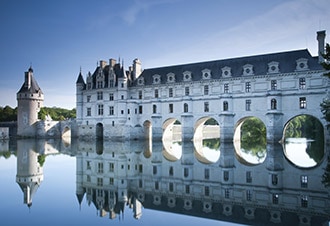
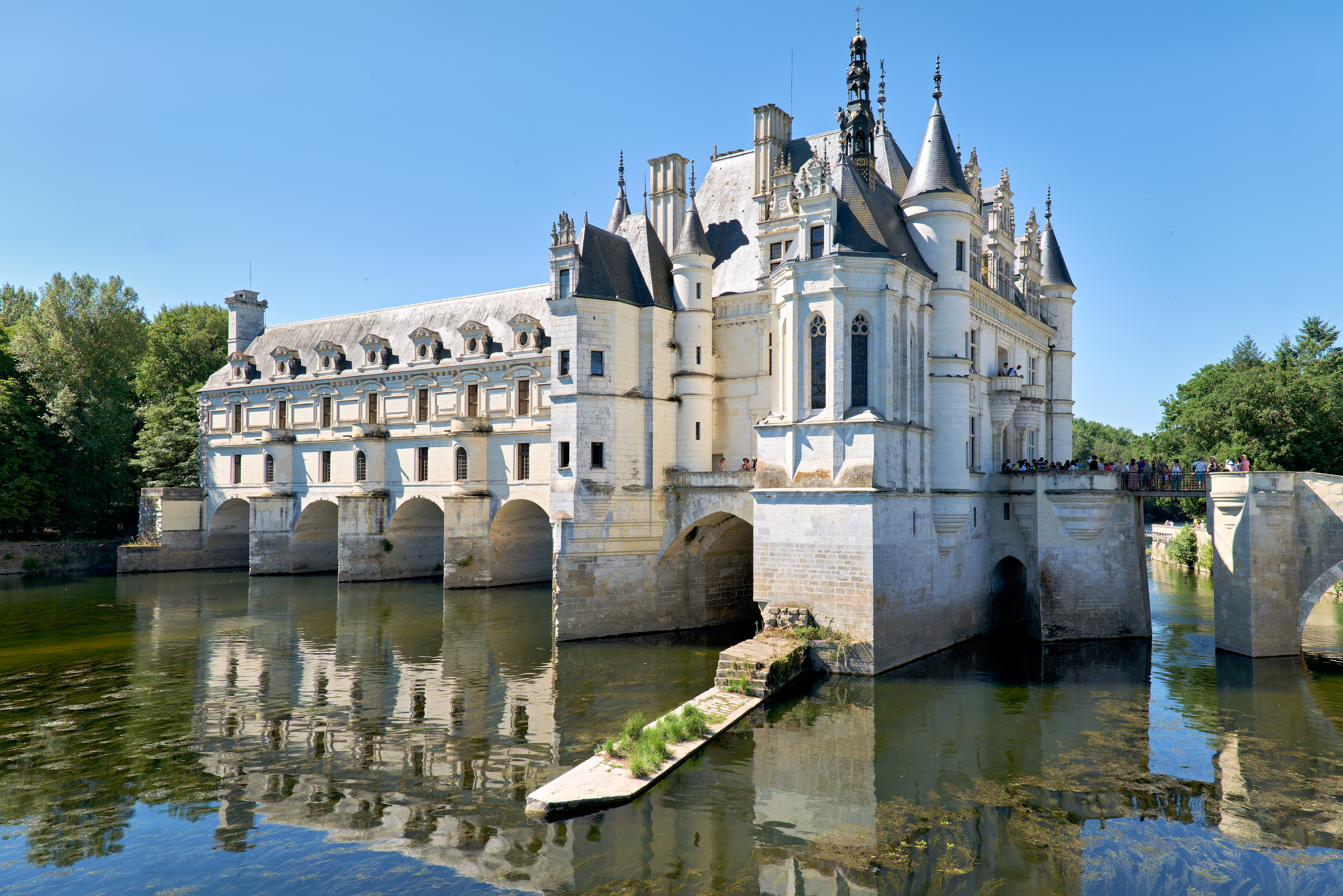
If Chambord is monumental, Chenonceau is graceful to the point of seeming inevitable. Built partly on the foundations of an earlier mill, then extended across the Cher River in the sixteenth century, Chenonceau is one of the rare châteaux whose beauty is inseparable from its setting. It does not merely stand beside water. It inhabits it.
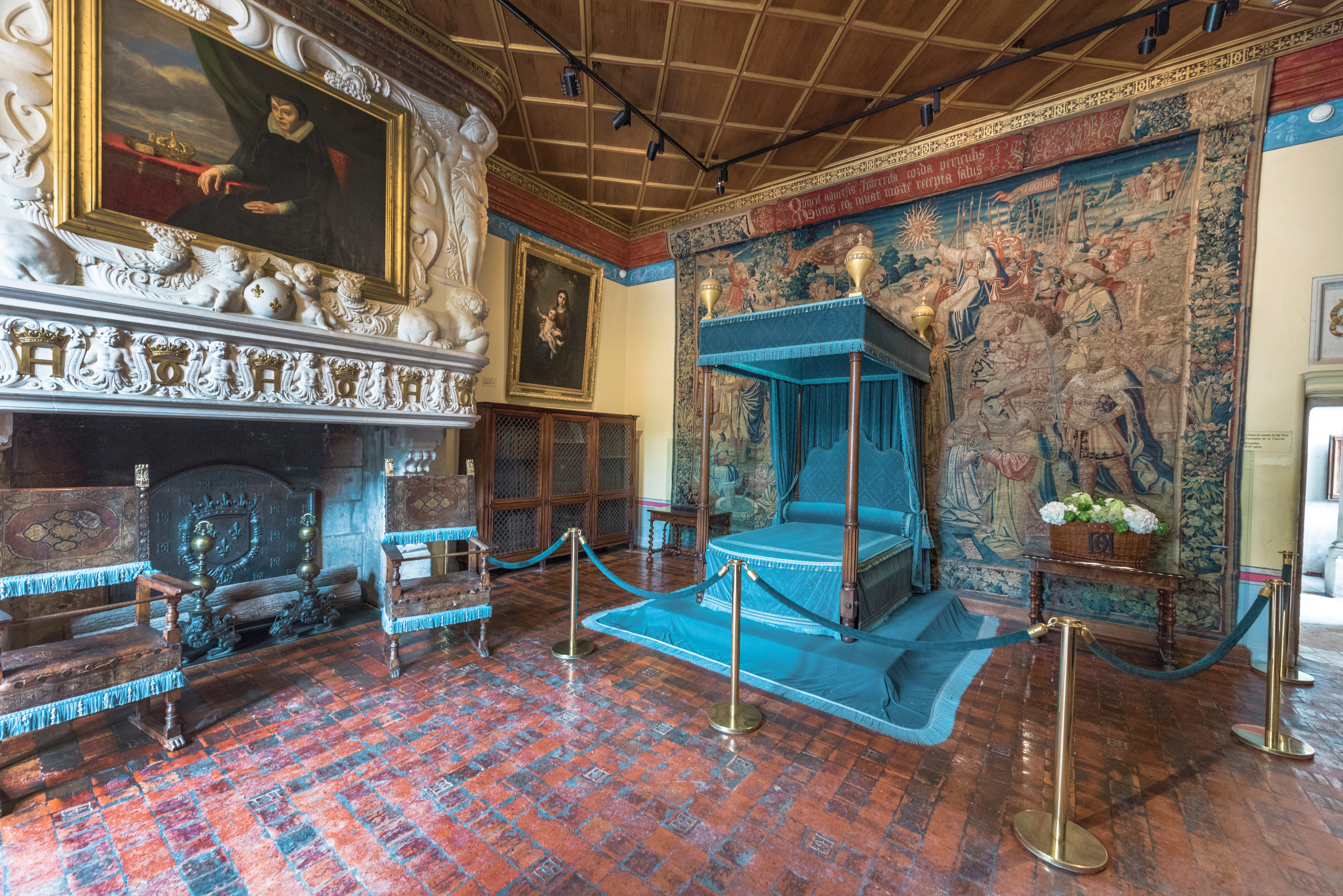
Its history is also unusually shaped by women, which is one reason the château has such a distinct identity. Diane de Poitiers, the powerful mistress of Henry II, oversaw the creation of the bridge and the gardens. Catherine de’ Medici later took possession of the estate and transformed it further, adding the elegant gallery above the river. Because of these figures, Chenonceau is often called the “Ladies’ Château,” but that title is more than a romantic label. It reflects the fact that the place was shaped by female patronage, political intelligence, and aesthetic control.
Architecturally, Chenonceau is less about spectacle than balance. The long gallery stretched over moving water creates one of the most elegant perspectives in French architecture. Inside, the château remains refined rather than overwhelming, with floral arrangements, filtered light, and views that constantly return the eye to the river. There is a softness here, but also an unmistakable authority. Chenonceau feels composed, lucid, and deeply self-possessed.
Château Royal d’Amboise
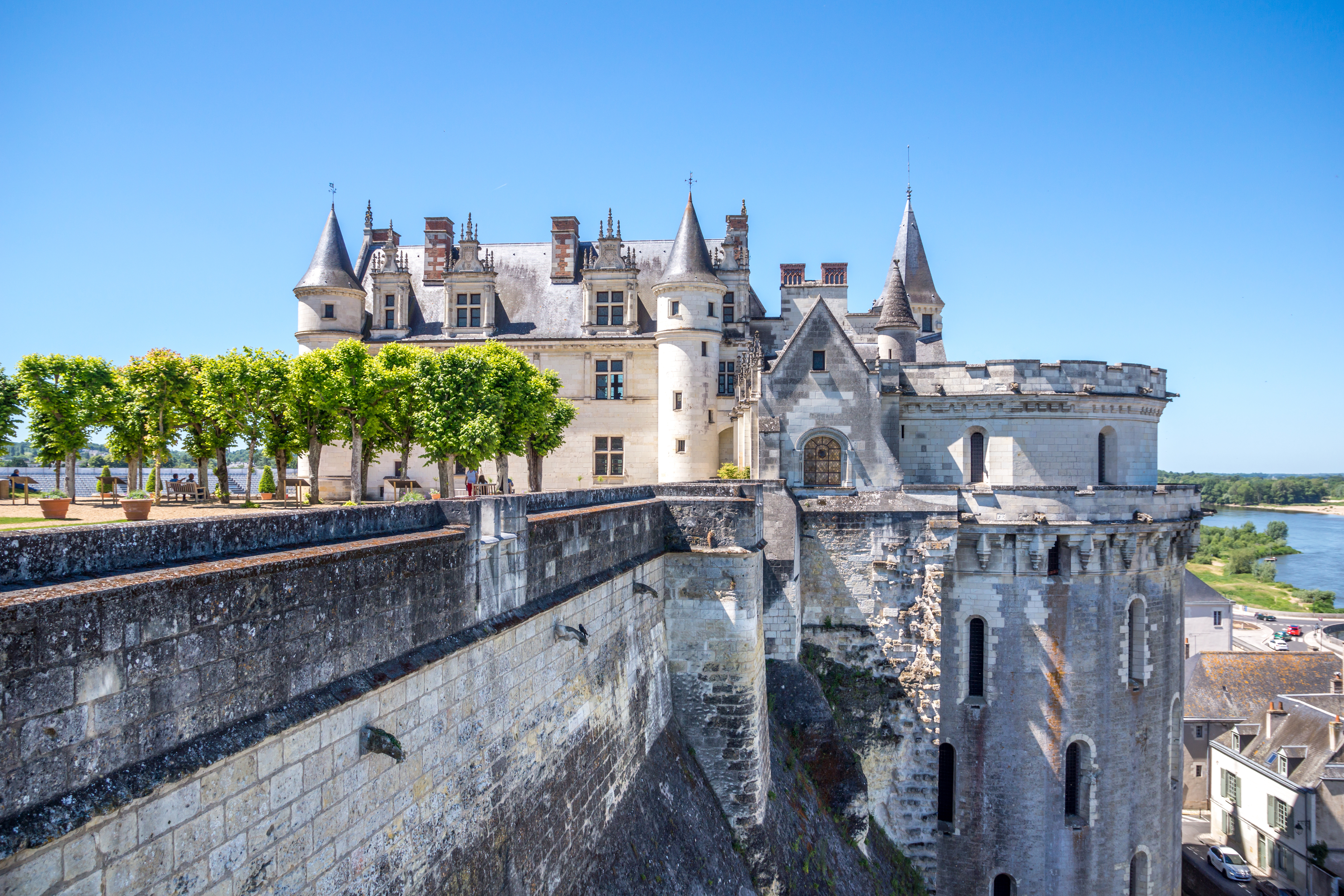
Amboise offers something different again: the feeling of a royal residence that remains connected to the life around it. Set high above the Loire River, the château dominates the town, yet it never feels isolated from it. That relationship is central to its beauty. Unlike some Loire estates that stand apart in carefully framed landscapes, Amboise feels woven into a living urban and historical fabric.
This was once one of the principal residences of the French court, especially under Charles VIII and Francis I. It was at Amboise that Renaissance ideas entered France with unusual force, carried by artists, architects, and intellectuals invited from Italy. Leonardo da Vinci spent the final years of his life nearby at Clos Lucé and was buried in the château’s chapel of Saint-Hubert, which gives the site an exceptional cultural resonance.
The château itself combines late medieval strength with early Renaissance elegance. From the terraces, the view opens over the Loire, the roofs of the town, and the broader valley beyond. That panorama changes the experience of the monument. Amboise is not simply a château to admire from below. It is a château from which to understand the Loire. The sensation is expansive, historical, and unexpectedly intimate at once.
Château d’Azay-le-Rideau
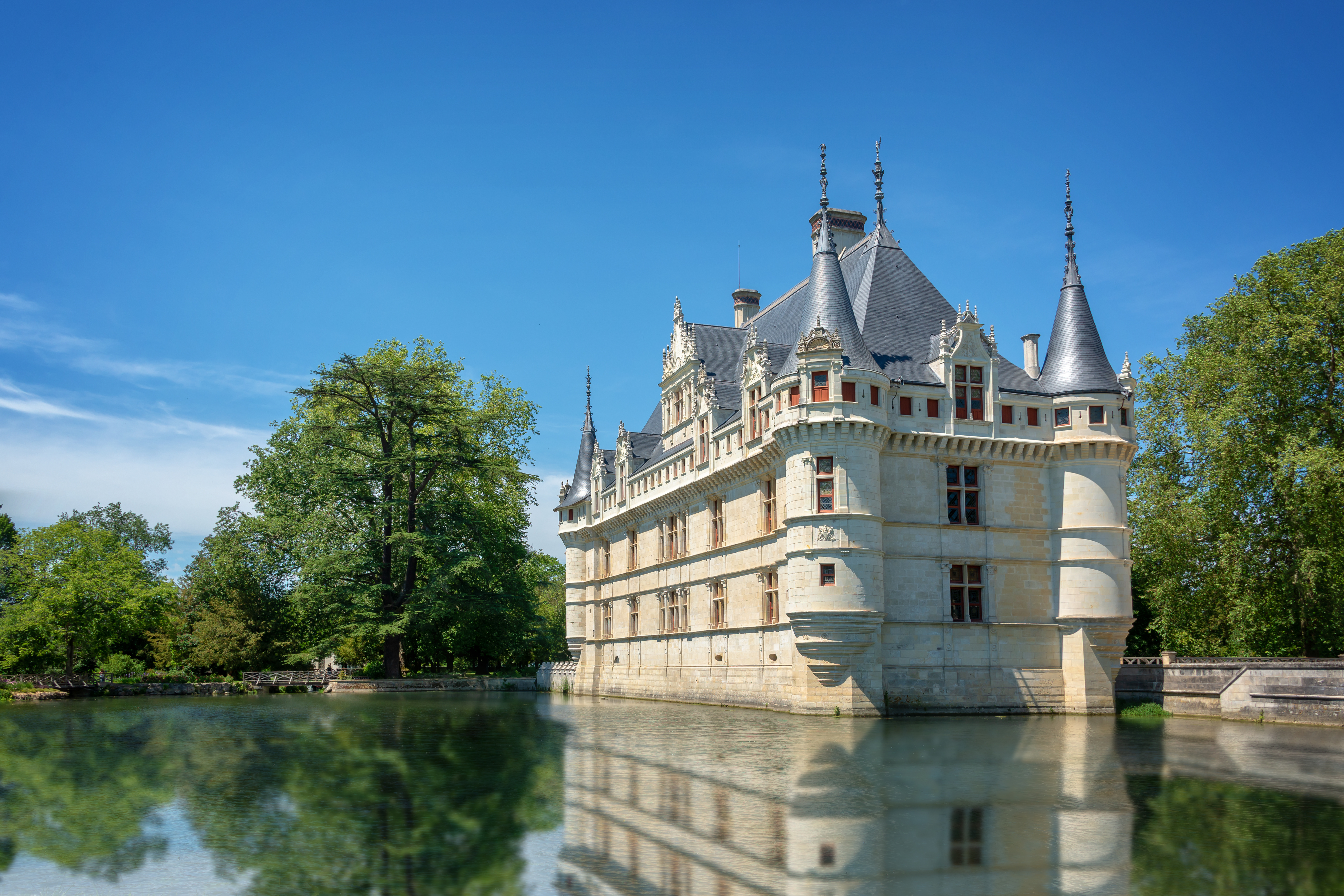
Azay-le-Rideau is often described as one of the purest expressions of French Renaissance architecture, and the description is deserved. Built during the reign of Francis I on an island in the Indre River, the château seems almost to float when seen from the gardens. Its reflection in the water is part of the architecture itself.
Compared with Chambord, Azay-le-Rideau is modest in scale, but that is precisely where its beauty lies. The building is exquisitely proportioned. Its façades combine sculpted ornament, steep roofs, and delicate dormer windows with remarkable harmony. There is no sense of excess. Every detail appears considered.
The experience of Azay-le-Rideau is quieter, more intimate, more literary. You do not feel dwarfed by royal ambition. You feel invited into a world of cultivated elegance. The château captures the moment when aristocratic architecture in France began to favor comfort, display, and artistic refinement over military power.
Château de Villandry
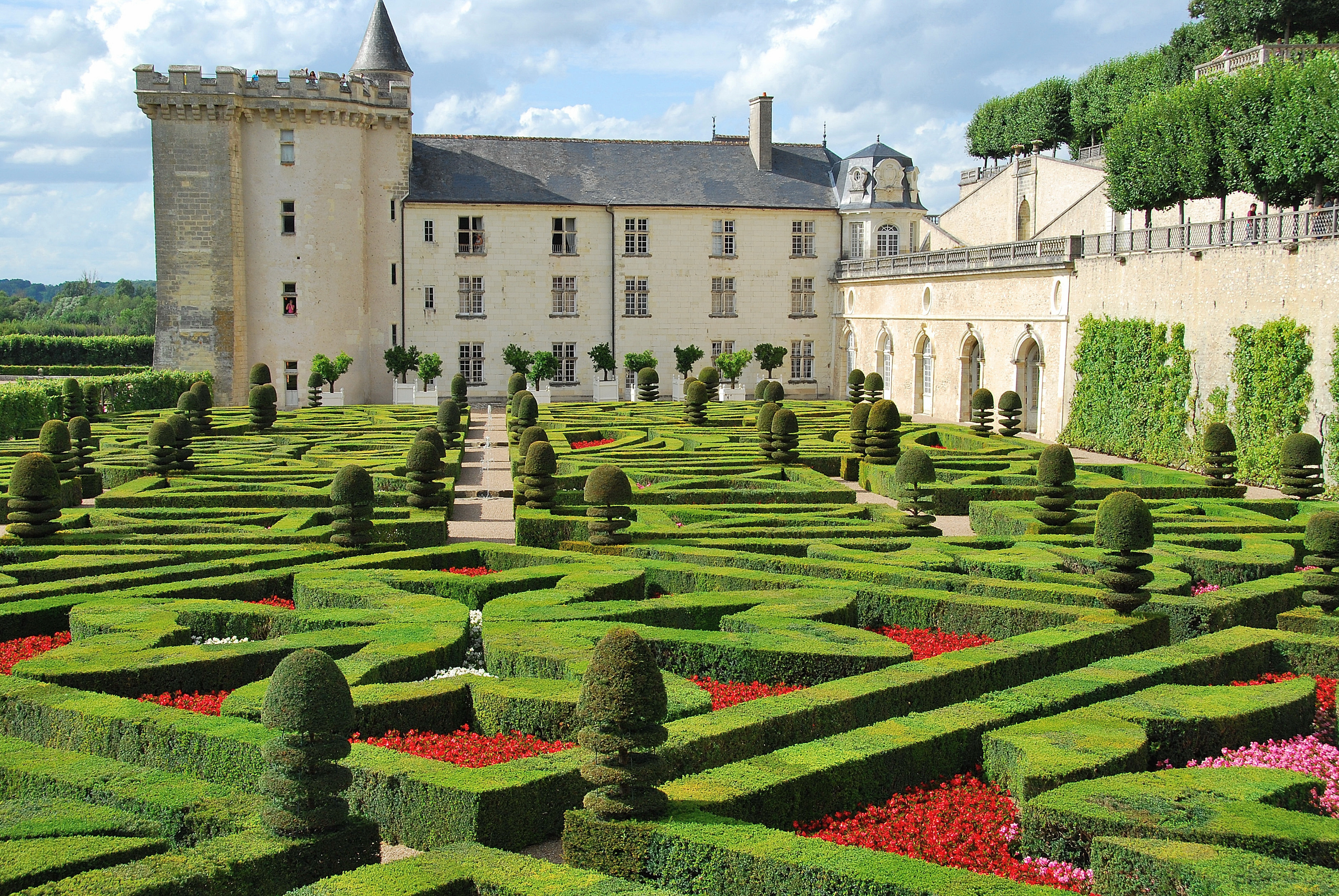
Villandry belongs on this list because it offers one of the most complete visions of Loire Valley beauty, where château and landscape are inseparable. Rebuilt in the sixteenth century on the site of an older fortress, the château itself is elegant and restrained. But Villandry is famous above all for its gardens, which transform the estate into a carefully ordered work of art.
The ornamental parterres, kitchen gardens, water features, and geometric terraces are not decorative extras. They are the point. Seen from above, the gardens resemble embroidery, architecture translated into vegetation. They reflect a long French tradition of imposing clarity and design onto nature, creating beauty through order rather than wildness.
Villandry feels different from the other Loire châteaux because the visual experience unfolds horizontally rather than vertically. Here, the eye moves across pattern, symmetry, texture, and color. It is one of the best places in the Loire Valley to understand that these estates were designed not just as residences, but as total environments.
Why These Castles Matter Together
What makes these five castles so compelling is not simply that they are beautiful individually. It is that, together, they show the range of the Loire Valley. Chambord expresses royal ambition on an immense scale. Chenonceau reveals elegance shaped by water and by powerful women. Amboise carries the political and intellectual energy of the early French Renaissance. Azay-le-Rideau refines that world into intimate perfection. Villandry expands it into landscape design.
Many visitors miss this because they move too quickly, treating the Loire as a collection of famous stops. But the deeper logic of the region only appears through comparison. These châteaux are not interchangeable. Each one represents a different idea of power, beauty, and life in France.
A More Meaningful Way to Experience the Loire
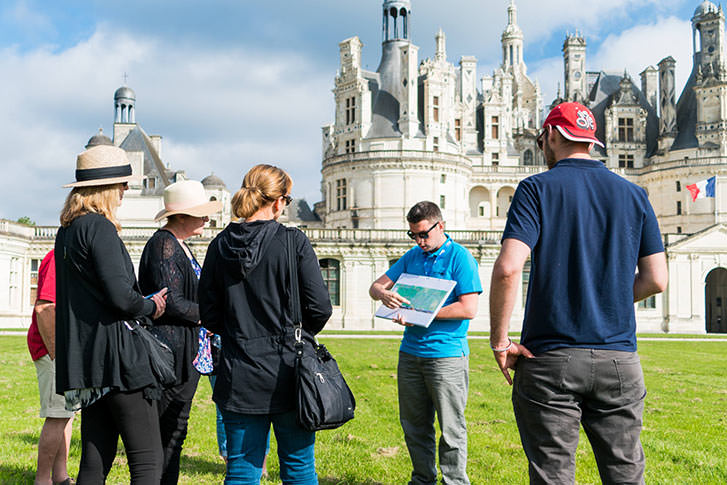
To understand the Loire Valley properly, it helps to see several castles in relation to one another. The contrasts become clearer. Grandeur feels more dramatic after elegance. A river château feels different after a royal fortress-palace. History stops being abstract and becomes spatial, visual, almost physical.
Blue Fox Travel offers this Loire Valley experience as a day tour from Paris including three castles in one day, making it possible to discover Chambord, Chenonceau, and Amboise with the historical context and architectural contrast that give the region its real depth.
In the Loire Valley, beauty is never only decorative. It is political, cultural, and carefully staged. These castles remain unforgettable because they are more than monuments. They are ways of seeing France at one of its most ambitious and most refined moments.