June 6, 1944: Why D-Day Changed the Course of History ?
Jun 10, 2026 | French Regions
June 6, 1944 is more than a date in a history book. It marks a decisive turning point in World War II and, more broadly, in the history of the modern world. On that morning, Allied forces launched the largest amphibious invasion ever attempted, landing on the coast of Nazi-occupied Europe.
More than 150,000 Allied soldiers landed in Normandy in a single day, supported by thousands of ships and aircraft. What happened on June 6 reshaped the balance of the war, accelerated the liberation of Western Europe, and permanently altered the course of the twentieth century. This is why the date continues to be remembered and taught today.
The Context: Europe Under Occupation
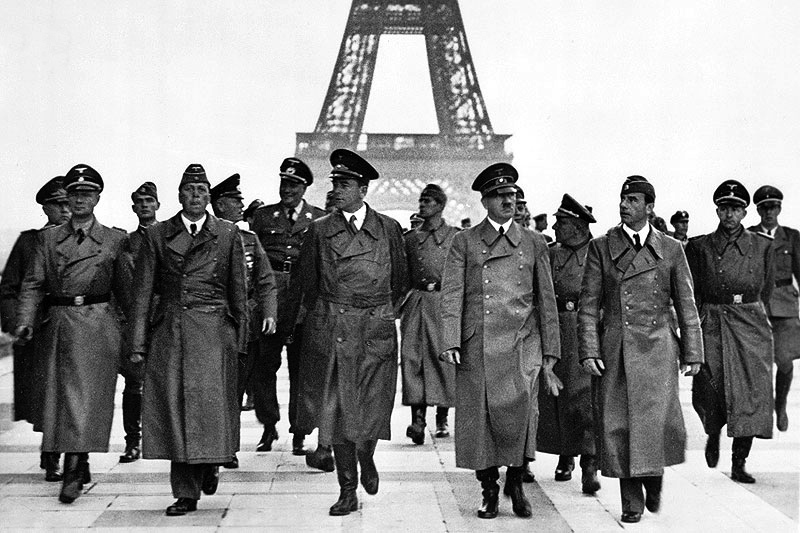
By 1944, much of Western Europe had lived under German occupation for nearly four years. France had fallen in 1940, and the Atlantic coastline had been transformed into a vast defensive system. Cities were scarred, populations exhausted, and the future of the continent remained uncertain.
For the Allies, opening a western front was no longer optional. It was essential. Without a successful landing in Western Europe, the war could have dragged on for years, prolonging both military and civilian suffering. June 6, 1944 represents the moment when that stalemate was finally broken.
Why Normandy Was Chosen ?
Normandy was not selected because it was easy. The beaches were heavily fortified, exposed, and far from guaranteed success. What made them strategically viable was surprise.
German command expected an Allied invasion closer to Calais, where the English Channel is narrowest. Normandy, farther west, allowed the Allies to exploit deception operations that had been carefully planned over many months. Weather, timing, secrecy, and coordination all had to align. A failure on the beaches would have resulted in catastrophic losses and could have delayed Europe’s liberation indefinitely.
The Human Cost of June 6
When the first waves of troops landed, they encountered intense resistance. Many soldiers were killed within minutes of reaching shore. Others advanced under constant fire, fully aware that survival was uncertain.
June 6 is remembered not only because of its scale, but because of the human cost it carried. The operation succeeded because ordinary men accepted extraordinary risk. Thousands did not return. Their sacrifice is inseparable from the success of D-Day and from the freedom that followed.

Why D-Day Was a Turning Point ?
Despite the immense losses, the landings succeeded. By the end of June 6, the Allies had secured a foothold in Western Europe. In the weeks that followed, millions of soldiers and vast quantities of equipment flowed into France.
From that moment on, Nazi Germany was fighting a war it could no longer win. The liberation of France, the collapse of German defenses in Western Europe, and the eventual end of the war all trace back to this single day. June 6 did not end the war, but it made its outcome inevitable, which is why it remains such a powerful historical reference point.
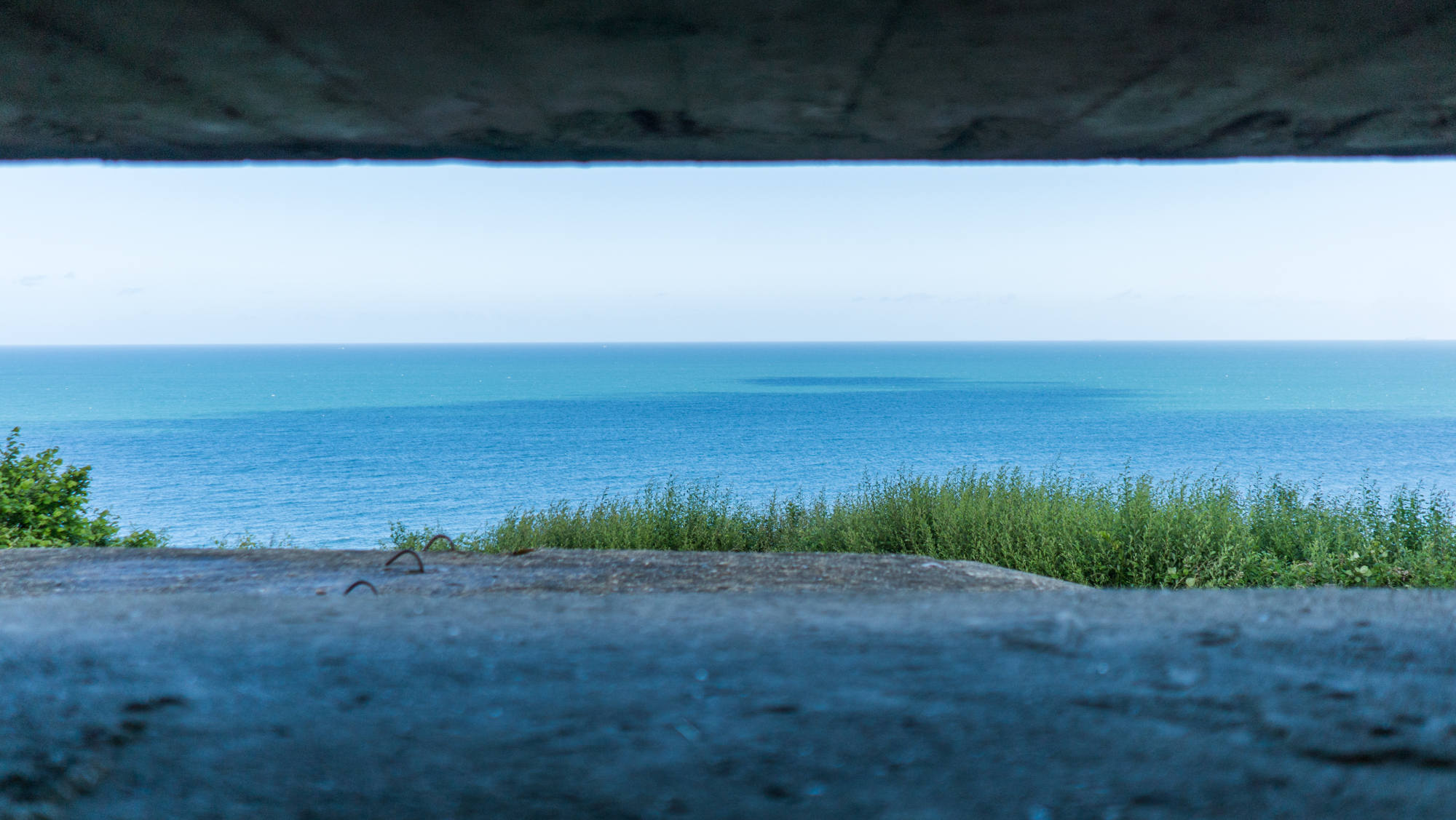
Why You Should Visit the Landing Beaches ?
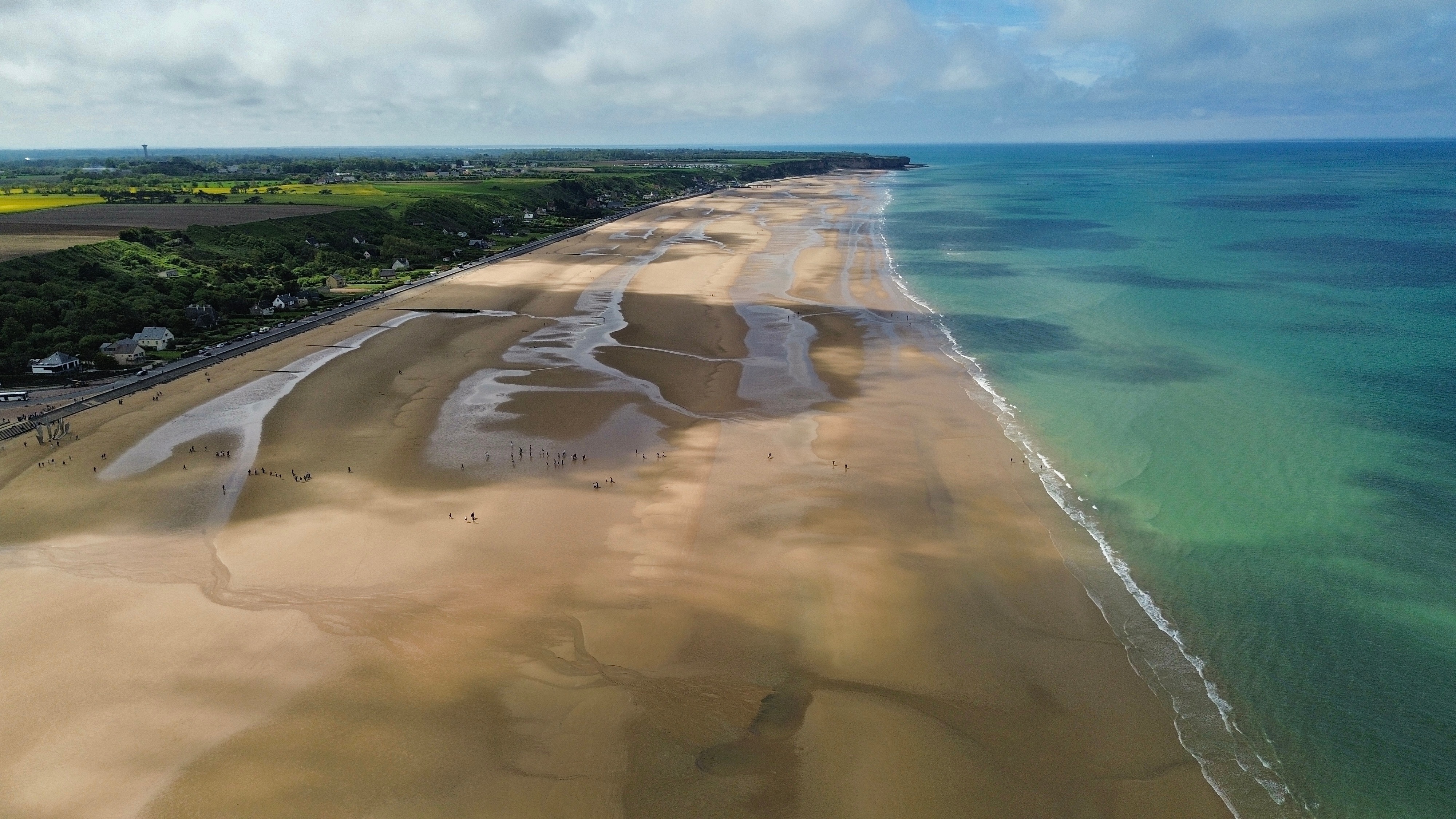
Visiting the D-Day landing beaches helps transform historical knowledge into understanding. Maps and documentaries cannot fully convey the openness of the shoreline, the distances between sectors, or the vulnerability of the soldiers as they landed.
Standing on these beaches makes clear why the operation was so risky and why its success was far from assured. The calm landscape of today contrasts sharply with the violence of June 6, making the experience both sobering and deeply reflective.
For many visitors, this physical connection to history explains why D-Day continues to matter so strongly generations later.
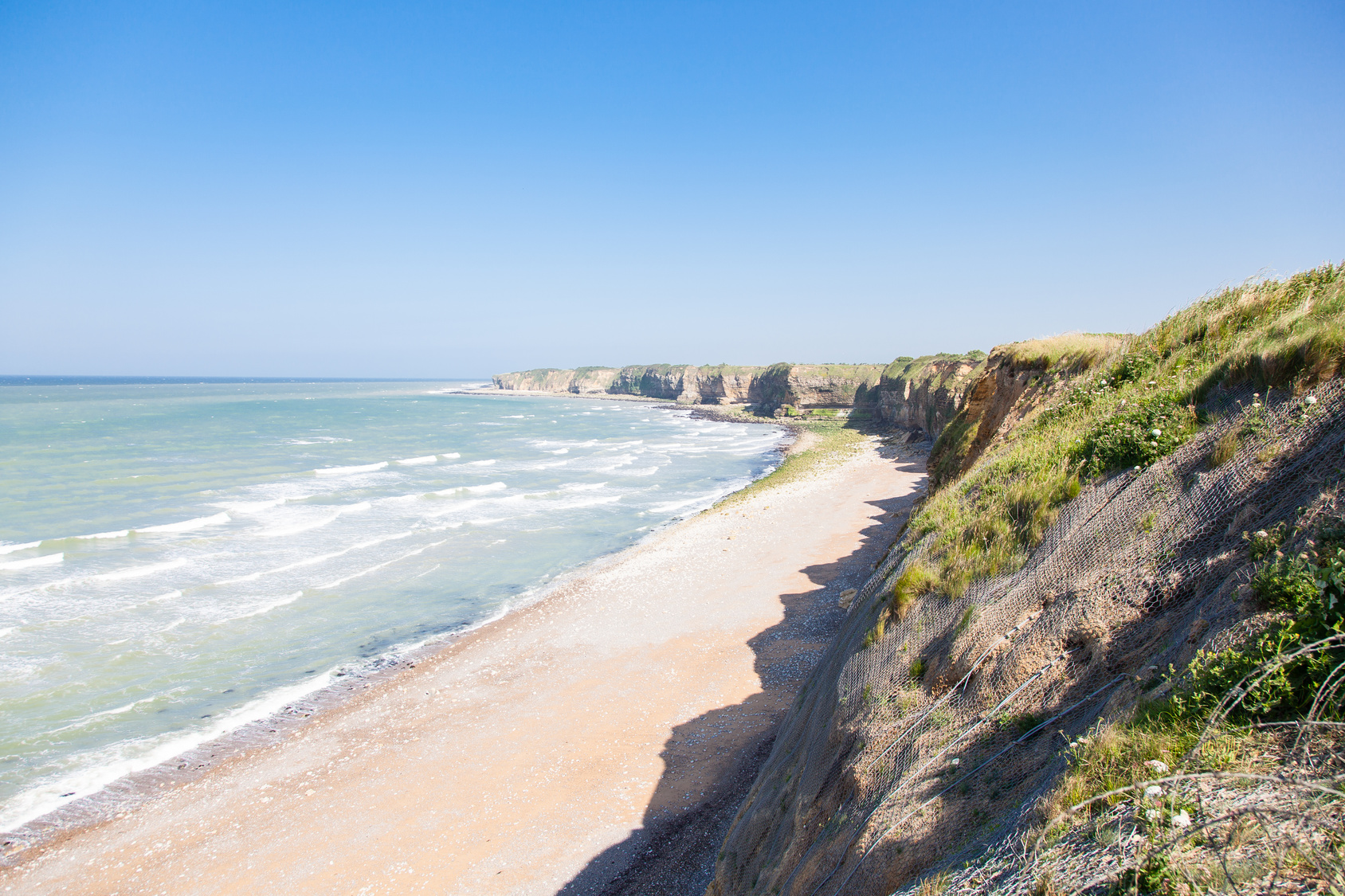
Paying Respect Where History Happened
The Normandy beaches are not only historical sites; they are places of remembrance. Cemeteries, memorials, and preserved locations exist to honor those who lost their lives rather than to glorify conflict.
Visiting these sites with respect means slowing down, listening, and acknowledging the sacrifice that took place. It is an opportunity to reflect on the cost of freedom and to recognize that the outcome of the war was shaped by individuals who never returned home.
Approached in this way, a visit becomes an act of remembrance, not tourism.
D-Day With Understanding
Travelers often ask whether it is possible to visit the Normandy landing beaches in one day from Paris. It is, and doing so with historical explanation makes a profound difference. Understanding who landed where, why each sector mattered, and how events unfolded hour by hour allows the sites themselves to tell their story.
Blue Fox Travel’s D-Day Tour from Paris is designed with this approach in mind. They place June 6, 1944 in its full historical context while emphasizing remembrance, clarity, and respect.
June 6, 1944 is remembered because it represents a moment when sacrifice reshaped the future. The freedoms enjoyed today in much of Europe were not inevitable; they were earned at extraordinary cost.
Standing on the beaches of Normandy, you are not simply visiting a historic location.
You are paying respect to the people who changed the world.