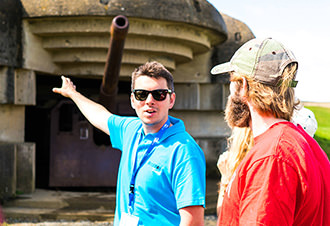
Pointe du Hoc: What to Expect
Jul 31, 2026 | French Regions
When visitors arrive at Pointe du Hoc, the cliffs rise dramatically from the Normandy coastline, raw and commanding. The sea crashes relentlessly against jagged rocks below, sending up white spray that smells of salt and history. The landscape feels both beautiful and solemn, as if time itself has slowed to honor what happened here. Standing on the edge, it’s impossible not to feel the weight of memory pressing down alongside the wind.
This is no ordinary cliff. Pointe du Hoc was the site of one of the most daring assaults of D-Day, a place where soldiers faced almost impossible odds to change the course of the war. To understand the significance of this site, you must first understand the cliffs themselves.
The Cliffs Were a Strategic Gamble
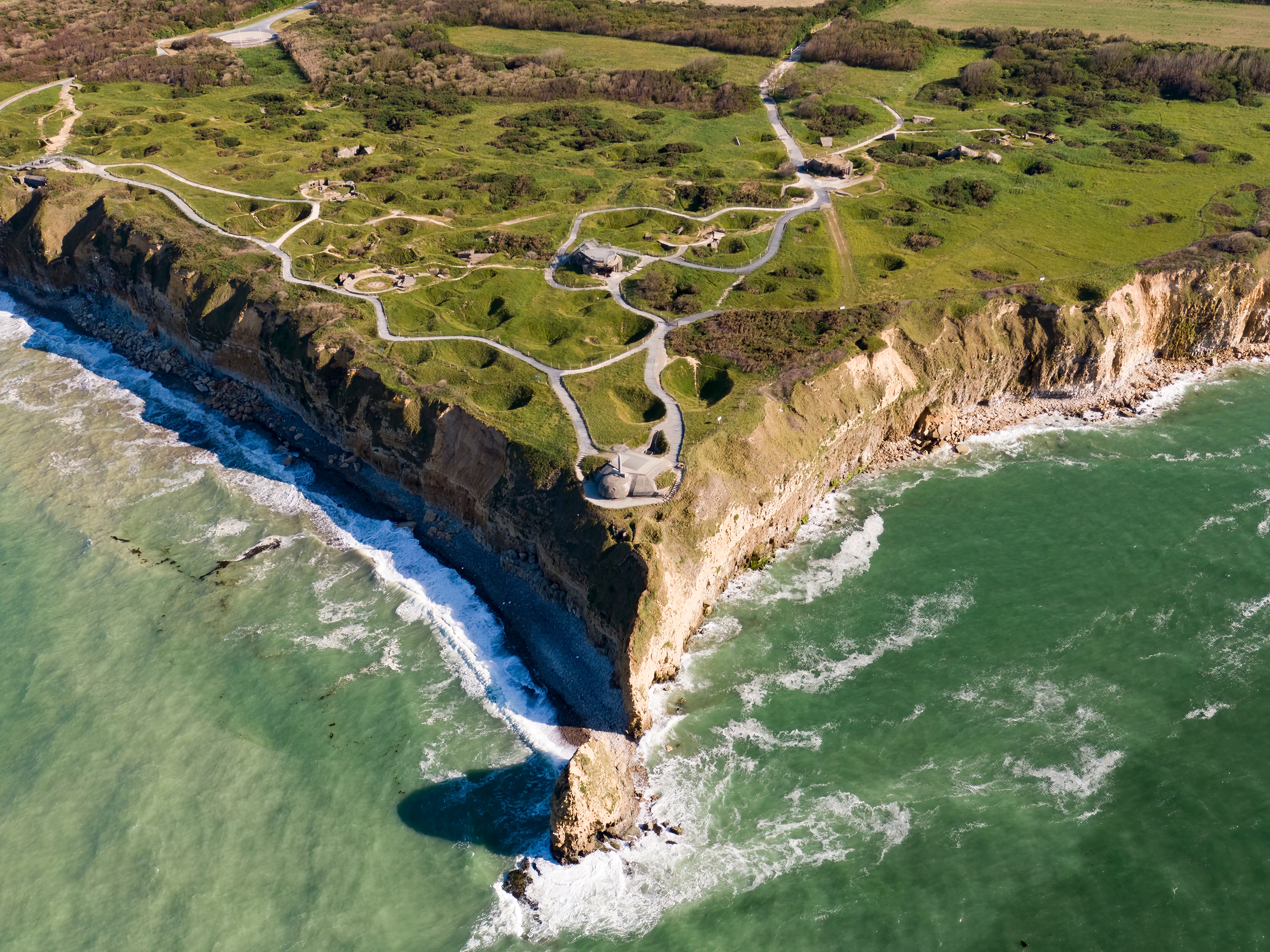
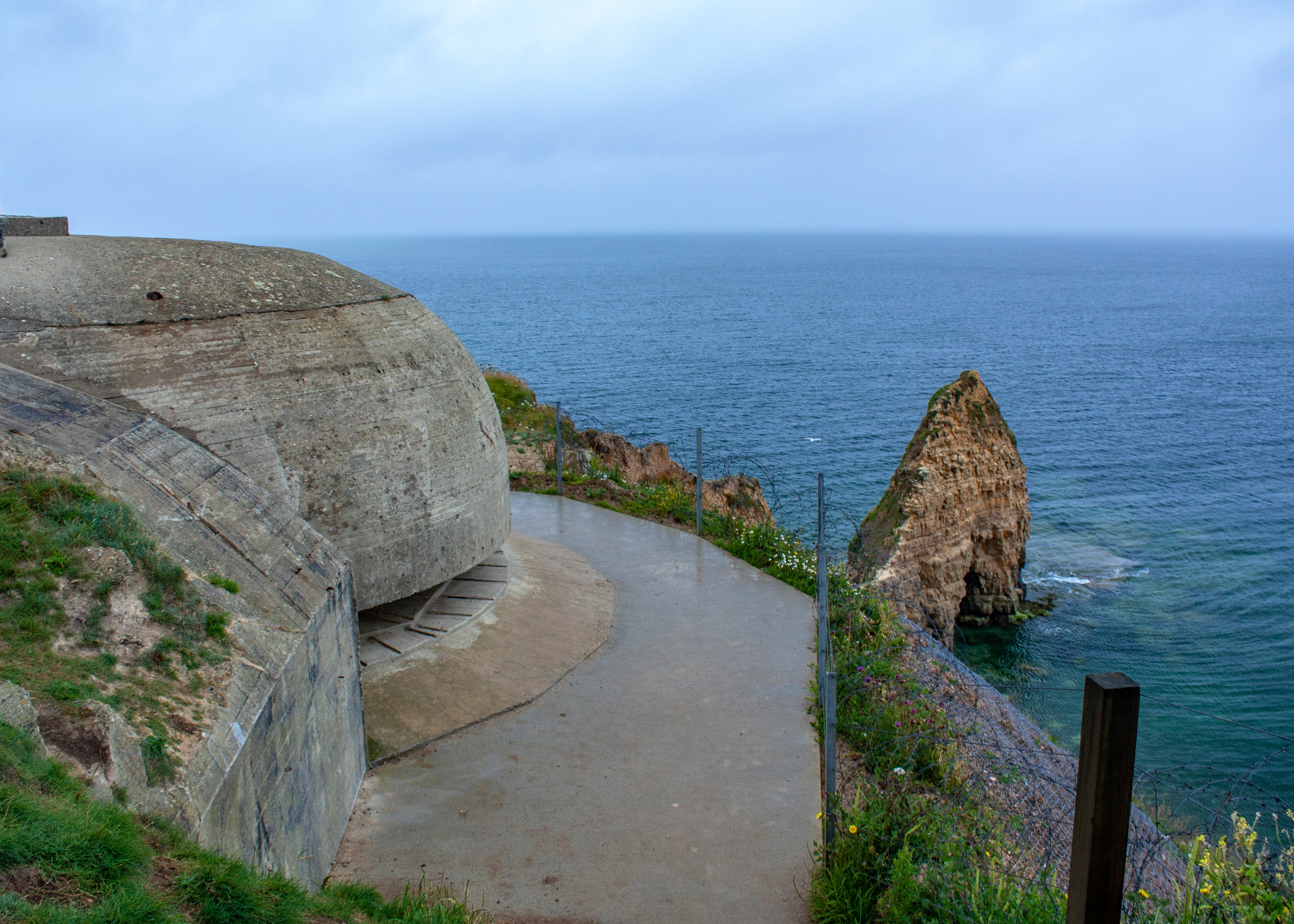
In 1944, Pointe du Hoc was heavily fortified by German forces. The Allies knew that artillery positioned here could devastate the troops landing on nearby Omaha and Utah beaches. The cliffs, rising over 100 feet, were laced with bunkers, observation posts, and barbed wire. For the Rangers assigned to take Pointe du Hoc, scaling these cliffs under fire was an act of extraordinary courage.
Unlike typical battlefields, the cliffs of Pointe du Hoc shaped the mission itself. Soldiers could not rely on cover or clear paths. Every step upward was fraught with danger. This was more than a military objective; it was a test of human resolve against nature and war simultaneously.
The Sea and Sky as Witness
From the top, the view is both breathtaking and humbling. The expanse of the English Channel stretches endlessly, its waves breaking rhythmically against the shore. The wind is constant, carrying the sound of the surf and the chill of the Atlantic. Standing here, it is easy to imagine the soldiers’ peril, the ladders, ropes, and fear as they climbed toward the German positions.
The cliffs themselves tell the story. Craters pockmark the earth, remnants of relentless bombardment. Bunkers, partially collapsed, still peer out over the sea. Walking through the site, you feel the texture of history beneath your feet, the hard concrete, the scorched earth, the sense that every stone could speak of bravery and loss.
The Mission That Shaped History
Pointe du Hoc is not merely a place of observation; it is a space of memory. Many visitors arrive expecting a quiet lookout or a simple memorial. Instead, they find a landscape that demands reflection. The scale of the cliffs, the remnants of battle, and the vastness of the sea create a sense of awe. Here, you understand not just the logistics of war, but the human courage required to face it.
The story becomes even richer with context. The Rangers’ mission, meticulously planned yet perilous, was central to the success of the Normandy landings. Every bunker and crater is a testament to strategy, sacrifice, and the audacity of those who climbed into history. Without this perspective, Pointe du Hoc risks being admired only for its dramatic scenery.
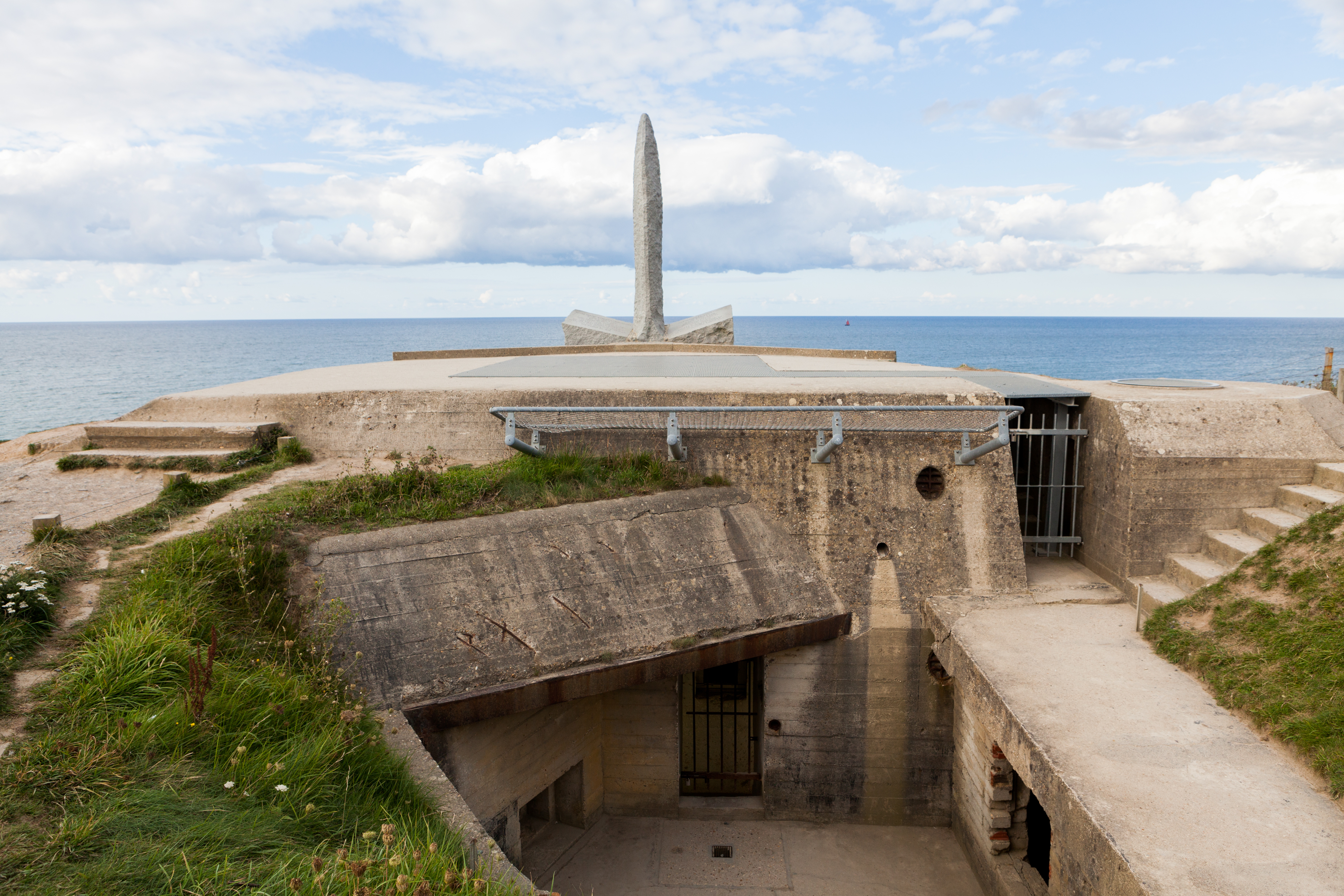
Why Being Here Feels Different
Visitors often remark on the unusual quiet of Pointe du Hoc, despite its popularity. The cliffs isolate the senses: the sound of the sea dominates, and distant horizons feel suspended. This is intentional. The site preserves not only the memory of the assault but also the perspective of the soldiers themselves. Standing here, you see the world as they did immense, dangerous, and awe-inspiring.
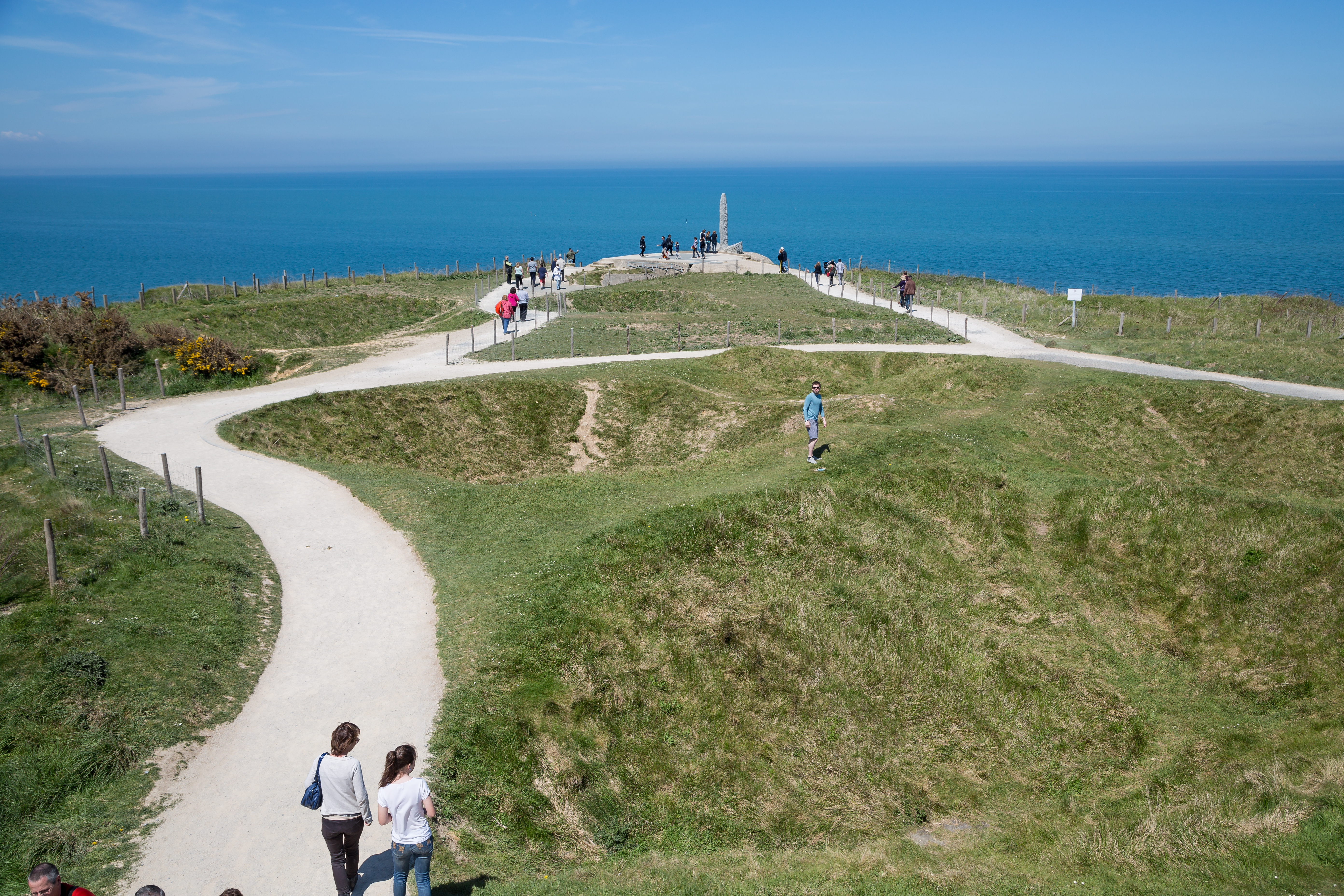
Seeing Pointe du Hoc With Context
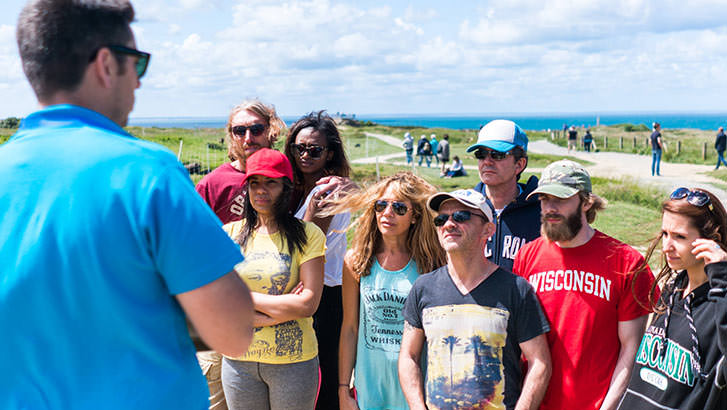
Without explanation, Pointe du Hoc is a striking landscape. With context, it becomes one of the most moving historical experiences of Normandy. Knowing why the cliffs were chosen, how the assault unfolded, and what the Rangers endured transforms your visit from sightseeing into understanding. Blue Fox Travel’s Normandy D-Day Tour allows visitors to explore Pointe du Hoc fully, offering insight into the mission’s planning, its execution, and its profound place in history.
Pointe du Hoc is more than a cliff. It is a space where geography, human courage, and history intersect. Standing here, you are not merely observing a battlefield. You are stepping into a story of audacity and endurance, feeling the scale and gravity of a mission that changed the course of the war.