What Is Chablis Wine?
Jul 29, 2026 | French Regions
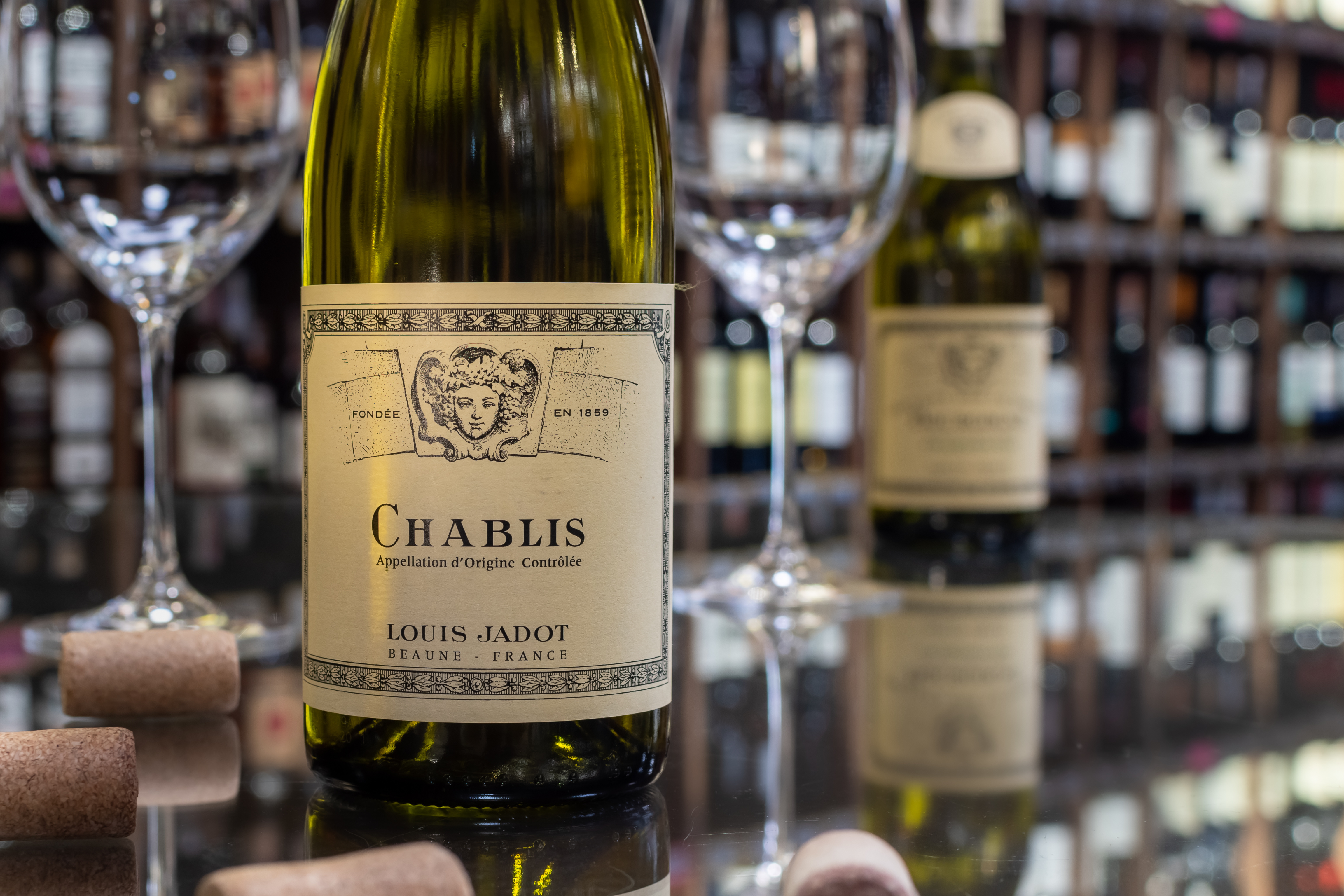
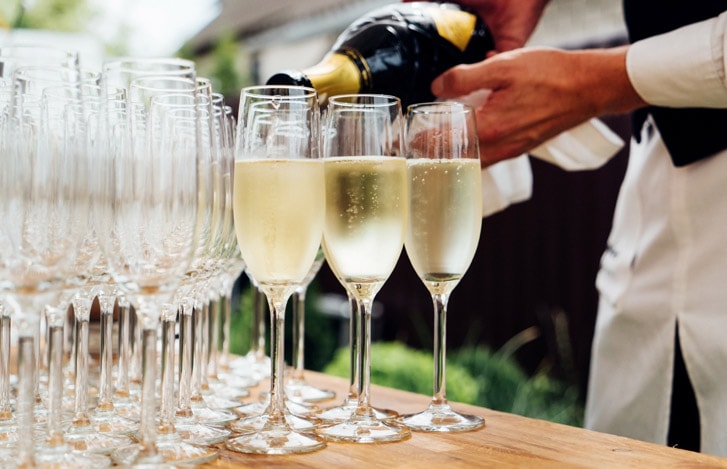
When you pour a glass of Chablis, the first thing you notice is the clarity of its pale gold color, almost luminous in the light. The aroma carries a hint of green apple, citrus, and a subtle minerality that seems to echo the soil from which it comes. This is not just wine, it is a reflection of place, history, and careful craftsmanship. To truly understand Chablis, you must first understand the land and traditions that shape it.
The Origins of Chablis
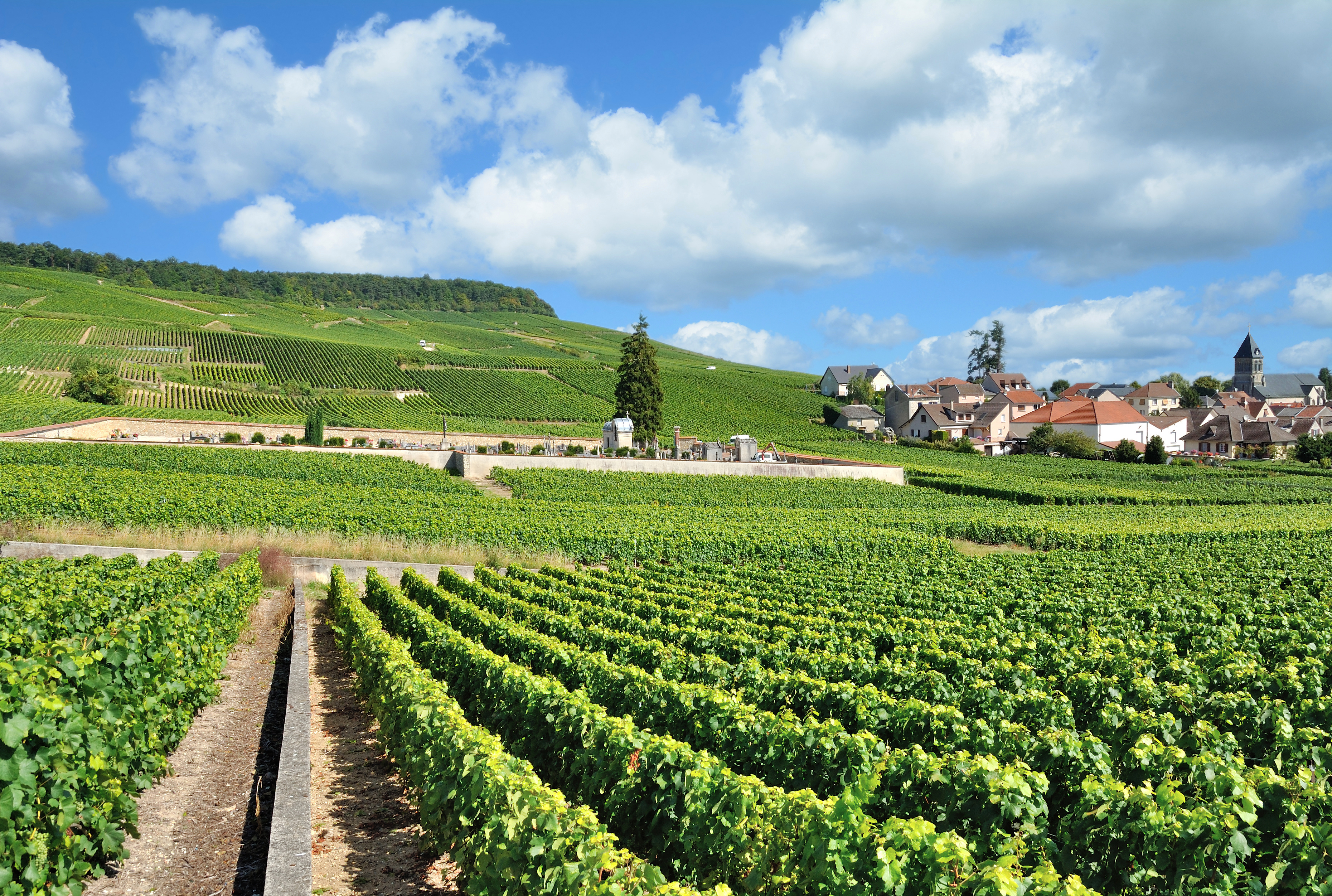
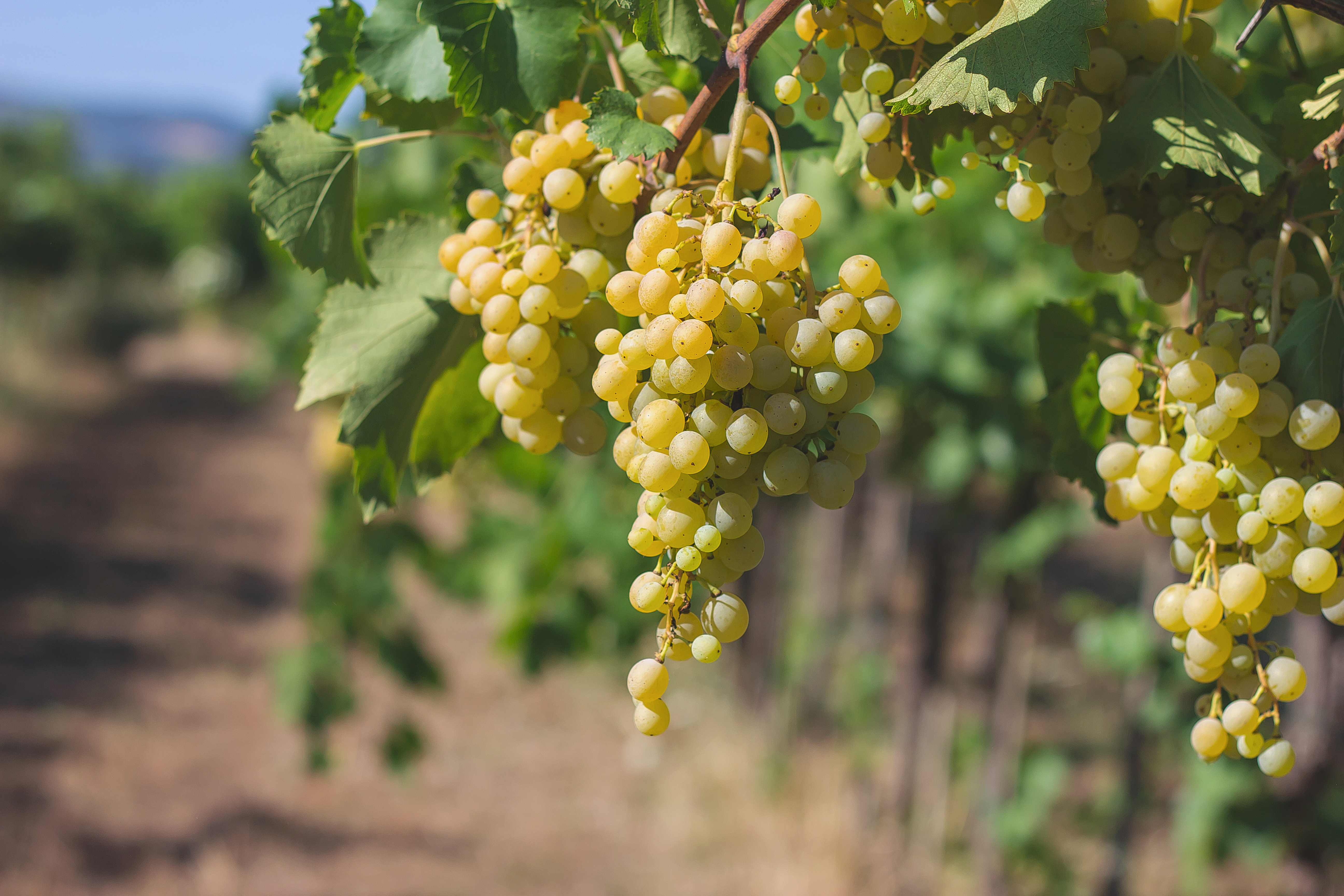
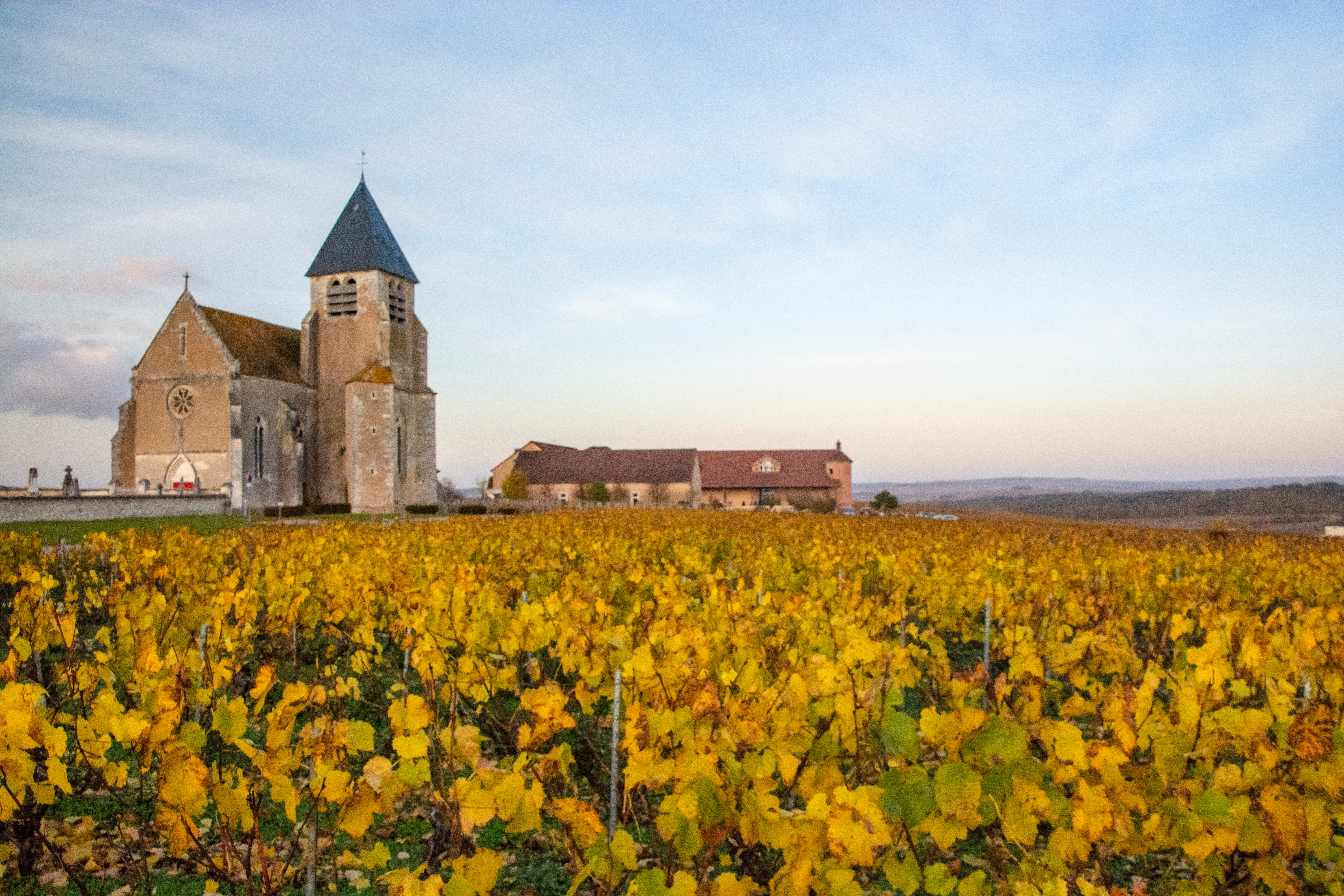
Chablis is produced in the northernmost part of Burgundy, in a small, sun-kissed region along the Serein River. Its vineyards are unique: planted on limestone-rich soils called Kimmeridgian marl, they give Chablis its distinctive mineral character. Chardonnay is the sole grape used, but in Chablis it expresses a lean, crisp elegance unlike richer Chardonnays from southern Burgundy or other regions.
The history of Chablis stretches back centuries, with monks from nearby abbeys perfecting viticulture techniques long before modern appellations existed. Over time, these vineyards became celebrated for their purity, finesse, and the way the wine mirrors its terroir.
What Makes Chablis Distinct
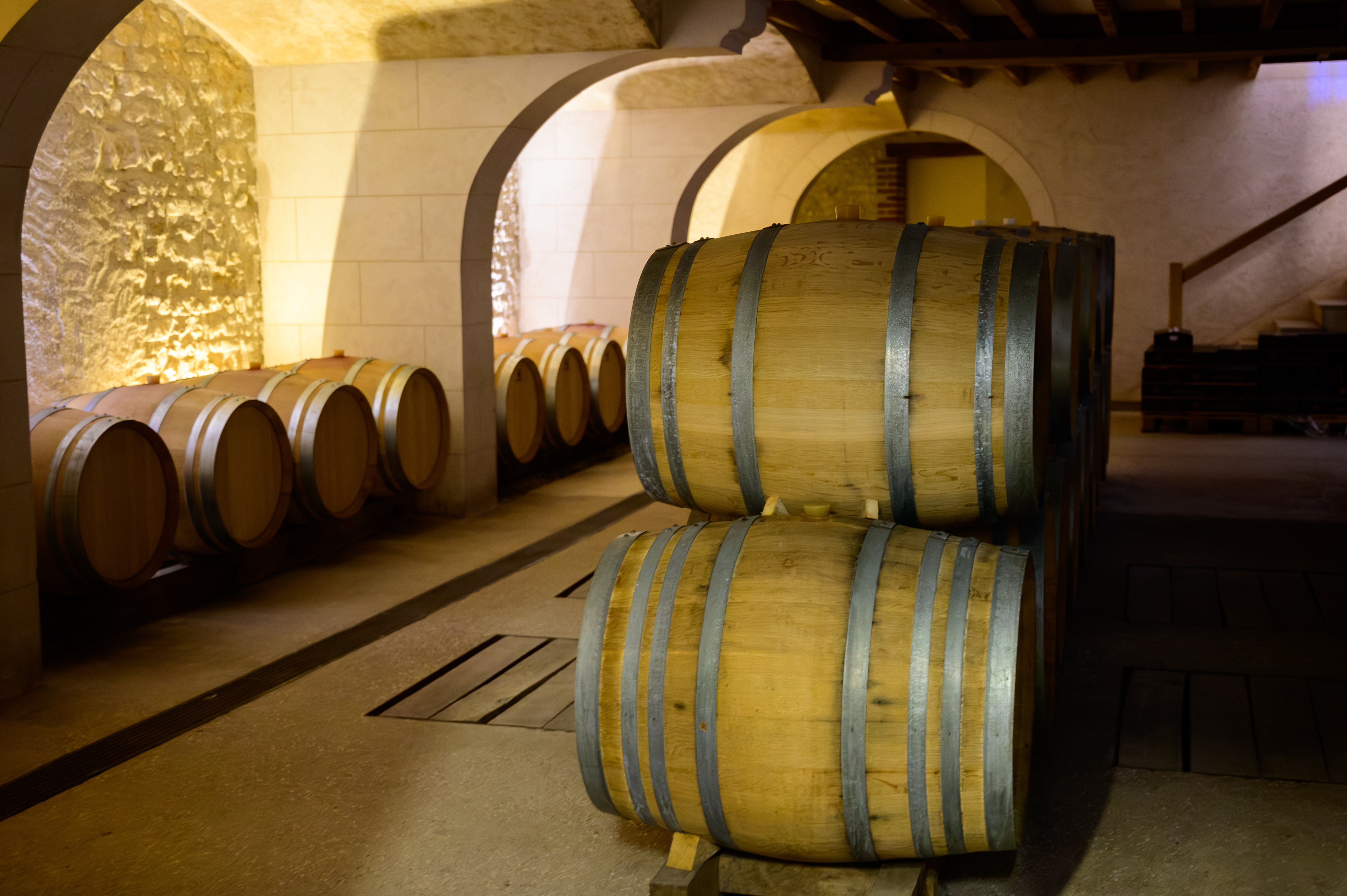
Unlike many other white wines, Chablis is known for its bright acidity and pronounced minerality. It is rarely oaked, allowing the flavors of the grape and soil to shine. The result is a wine that is both crisp and elegant, with notes of citrus, green apple, and sometimes subtle hints of flint or sea spray, a reminder of the region’s geological history.
This clarity and restraint make Chablis remarkably versatile at the table. It complements seafood, poultry, and creamy cheeses, yet it can also be enjoyed on its own, where its subtle complexities reveal themselves sip by sip.
The Terroir Behind the Taste
The secret of Chablis lies in its terroir: the combination of soil, climate, and topography. The cool northern climate slows grape ripening, preserving acidity and aromatic freshness. The limestone and Kimmeridgian marl soils impart a mineral backbone that defines the wine’s character. Each vineyard, even within the Chablis appellation, produces wines that tell a slightly different story, reflecting subtle variations in slope, sun exposure, and soil composition.
Why Chablis Is Celebrated
Chablis is often described as a wine that expresses “purity of place.” Its elegance is understated, yet it conveys precision, freshness, and a connection to centuries of winemaking tradition. Unlike bold, heavily oaked wines, Chablis relies on balance and subtlety, rewarding those who pay attention to its nuance.
Experiencing Chablis
Tasting Chablis is more than drinking wine; it is stepping into the history and landscape of northern Burgundy. Blue Fox Travel offers a small-group Burgundy wine tour from Paris, focusing on the local winemakers who make Burgundy wines world-famous. On this tour, you will visit three different wineries and taste more than ten exquisite wines, including red, white, and rosé. This experience allows travelers to fully appreciate the craftsmanship, terroir, and tradition behind Chablis, making the wine come alive in a way that a simple tasting in a glass never could.