Monet’s Water Garden and the Water Lilies: Why This Place Changed the History of Art ?
Jun 10, 2026 | French Regions
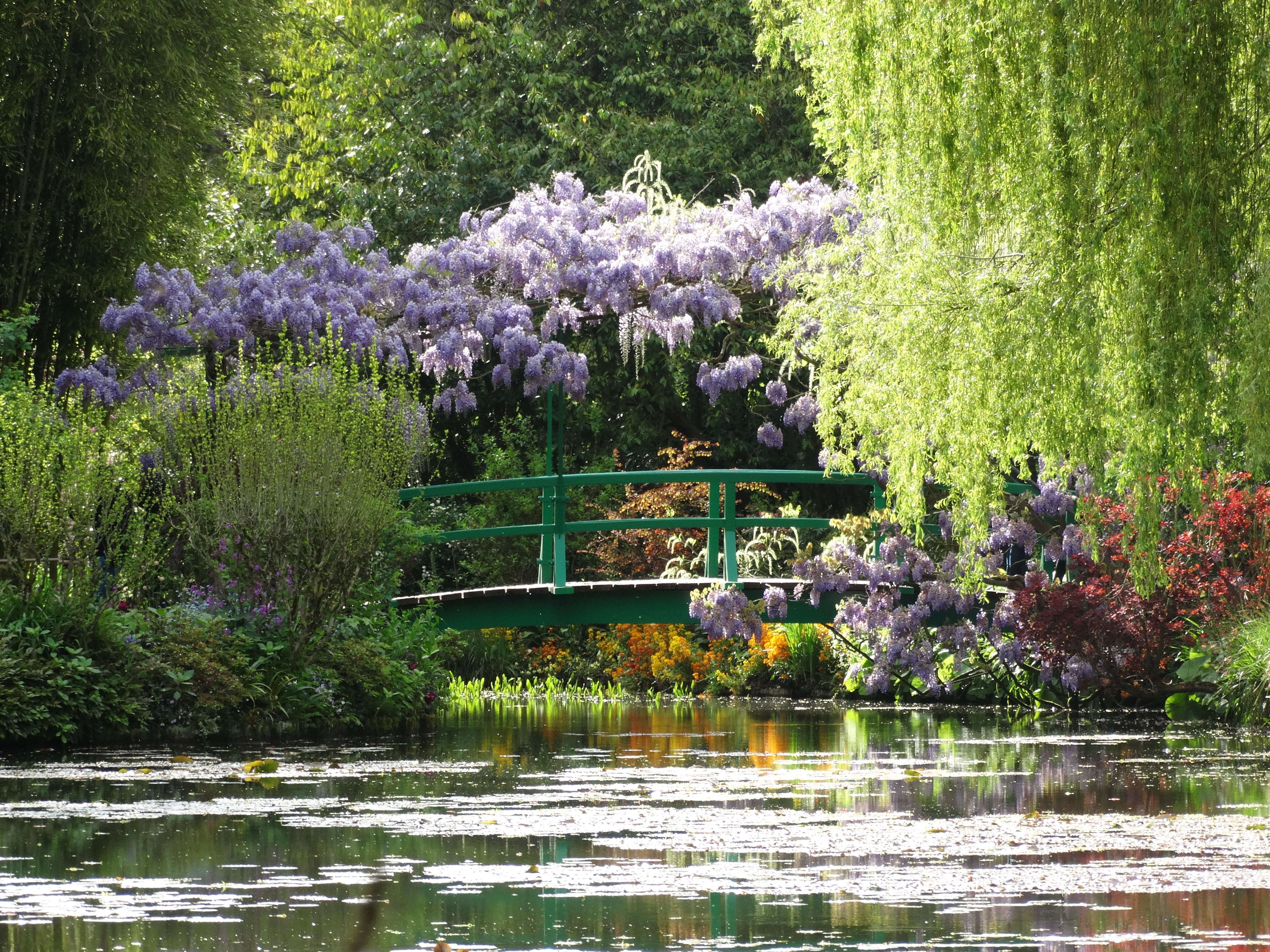
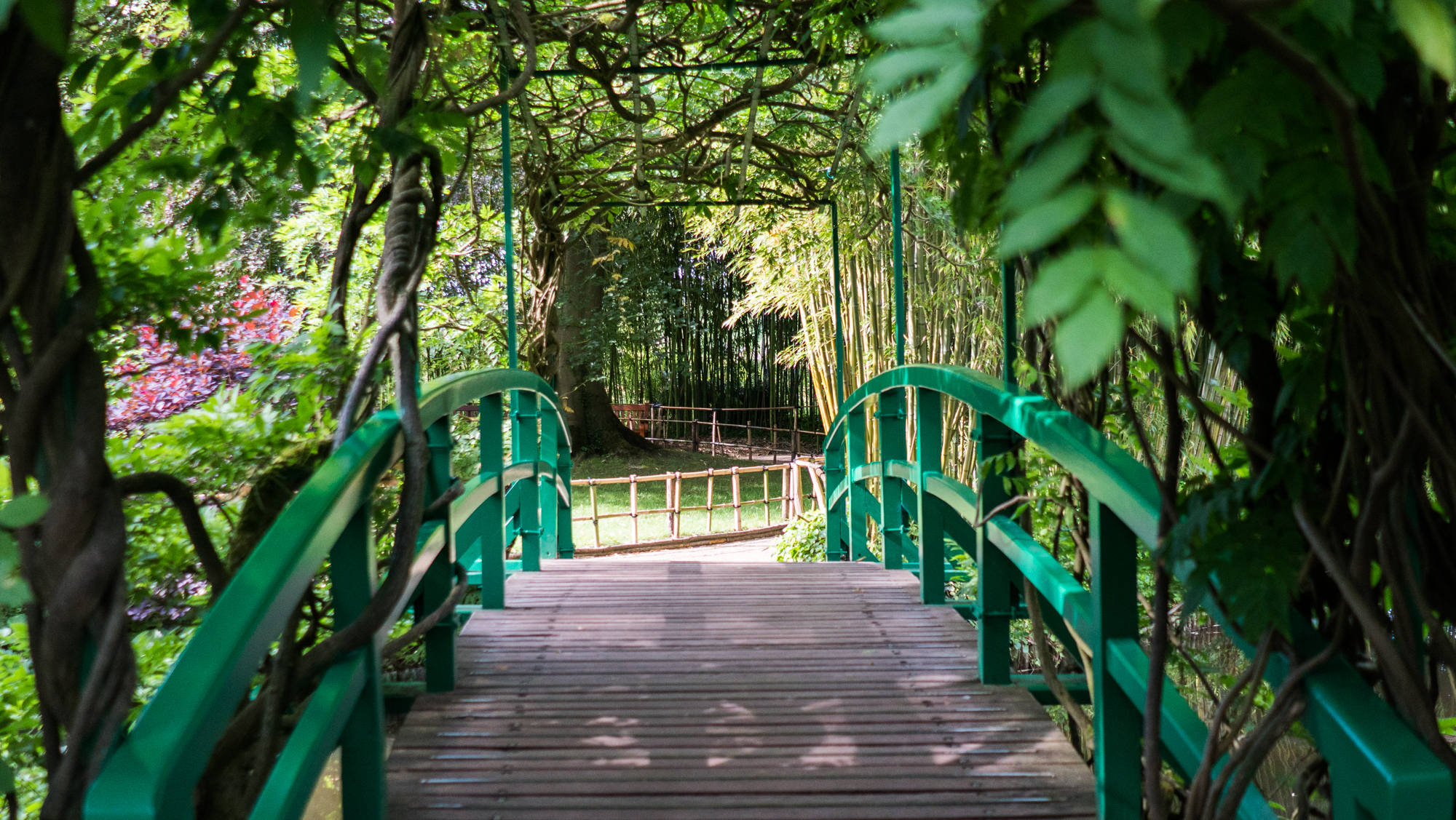
When visitors arrive in Giverny, many are immediately drawn to the water garden. The pond feels calm, enclosed, almost timeless. Floating water lilies drift across the surface, reflections blur the sky and trees, and the famous Japanese bridge seems to hover between reality and painting.
This is not accidental. For Claude Monet, the water garden was not simply a beautiful setting. It became the center of his artistic life and the foundation for the most ambitious work he ever created: the Water Lilies.
To understand Monet’s late paintings, you must first understand this garden.
The Water Garden Was a Radical Idea
Monet created the water garden years after settling in Giverny. Unlike the flower garden, which still followed recognizable traditions, the water garden broke with convention. Monet diverted a small stream, reshaped the land, introduced aquatic plants, and designed a closed visual world where nothing distracted the eye.
This was unusual for a painter at the time. Monet was no longer searching for landscapes to paint. He was building one.
The pond allowed him to escape perspective, horizons, and fixed viewpoints. Instead of painting a scene, Monet could paint light itself as it shifted across water.
Why Water Mattered So Much to Monet ?
Water gave Monet something no solid surface could: constant change. Reflections transformed minute by minute. Colors dissolved into one another. The sky appeared below the viewer’s feet, while plants floated without anchoring the composition.
For Monet, this meant freedom. He could paint without relying on clear outlines or traditional depth. The water surface became a space where reality and illusion merged, allowing him to focus entirely on perception.
This is where Monet quietly began to move beyond Impressionism.
The Water Lilies Are Not About Flowers
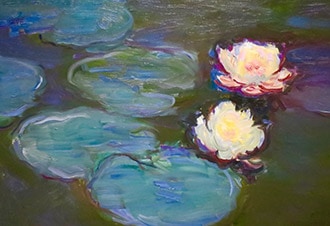
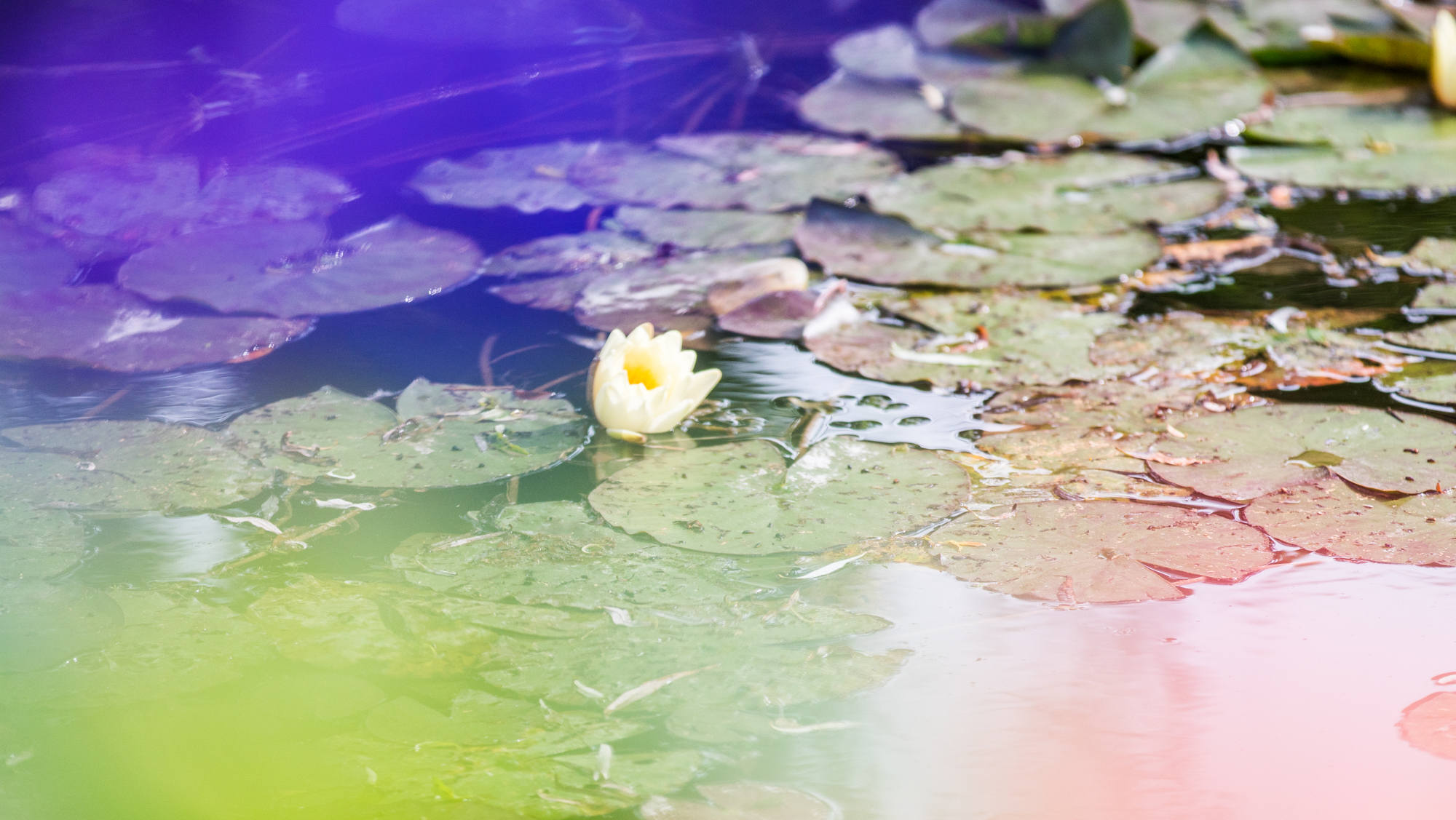
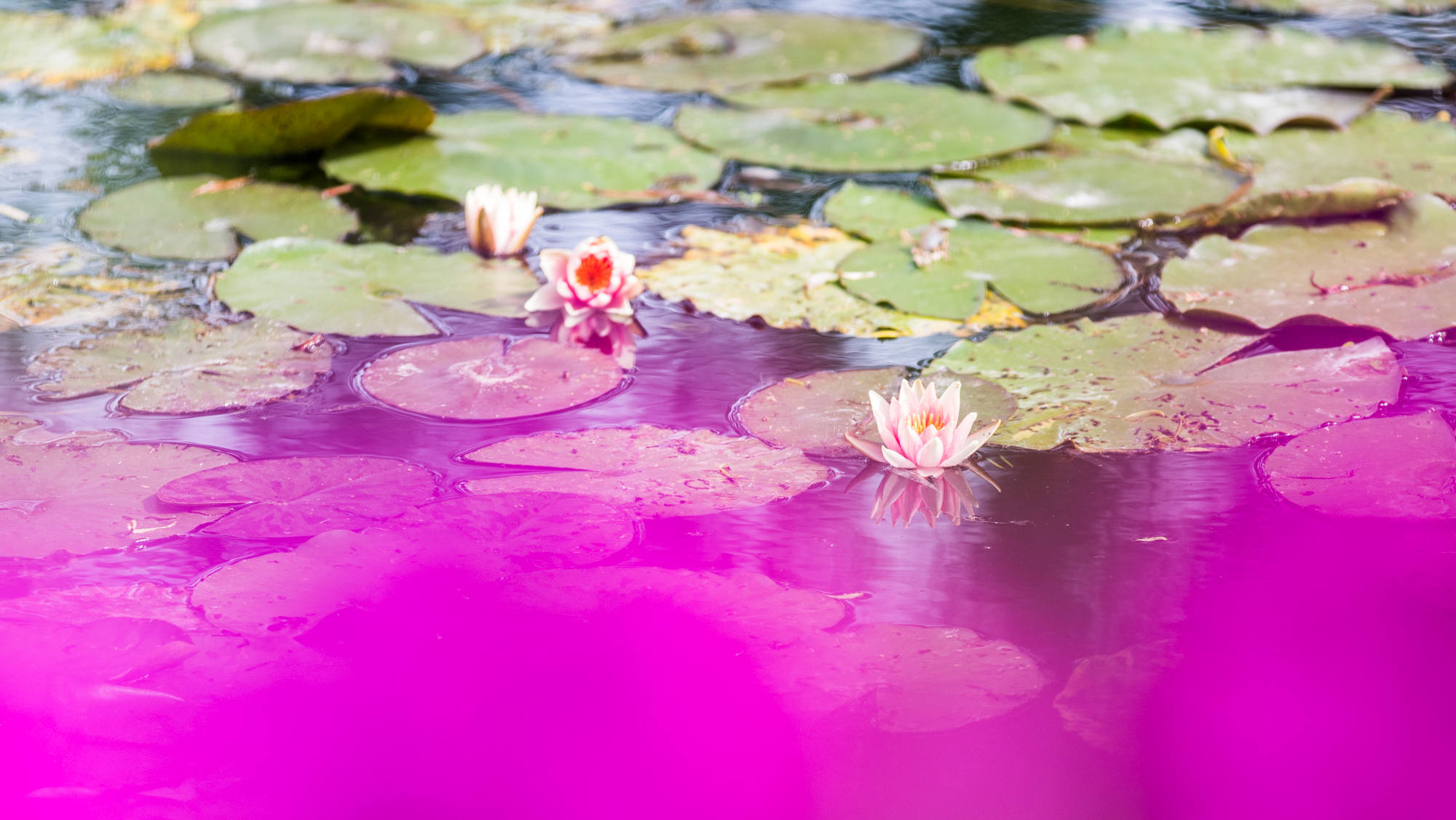
It is easy to assume that the Water Lilies are botanical paintings. They are not. The lilies themselves are often secondary. What Monet was really painting was the space between things: light, movement, atmosphere, reflection.
As the series progressed, recognizable elements gradually disappeared. The horizon vanished. The sense of scale became ambiguous. Some canvases feel almost abstract, even though they depict a real place.
This was revolutionary. Monet was painting what it felt like to look, not what was being
Repetition as Obsession and Method
Monet returned to the water lilies again and again, sometimes painting the same view dozens of times. This repetition was deliberate. Monet believed that truth in painting emerged over time, through sustained observation.
By focusing on a single subject, he could explore infinite variations of color and light. The water garden became an open laboratory where time itself was part of the artwork.
This is why the Water Lilies are often considered the culmination of Monet’s career rather than a late footnote.
The Orangerie Panels: Monet’s Ultimate Vision
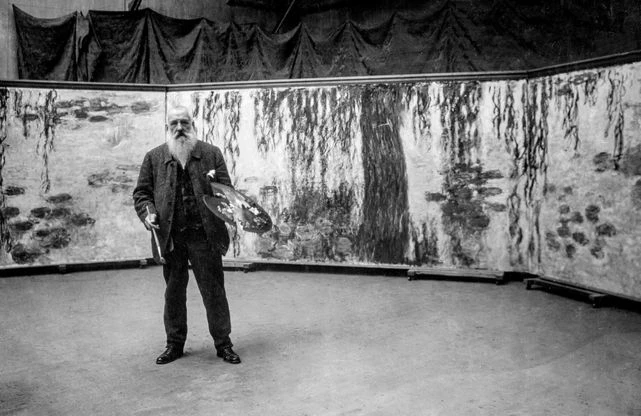
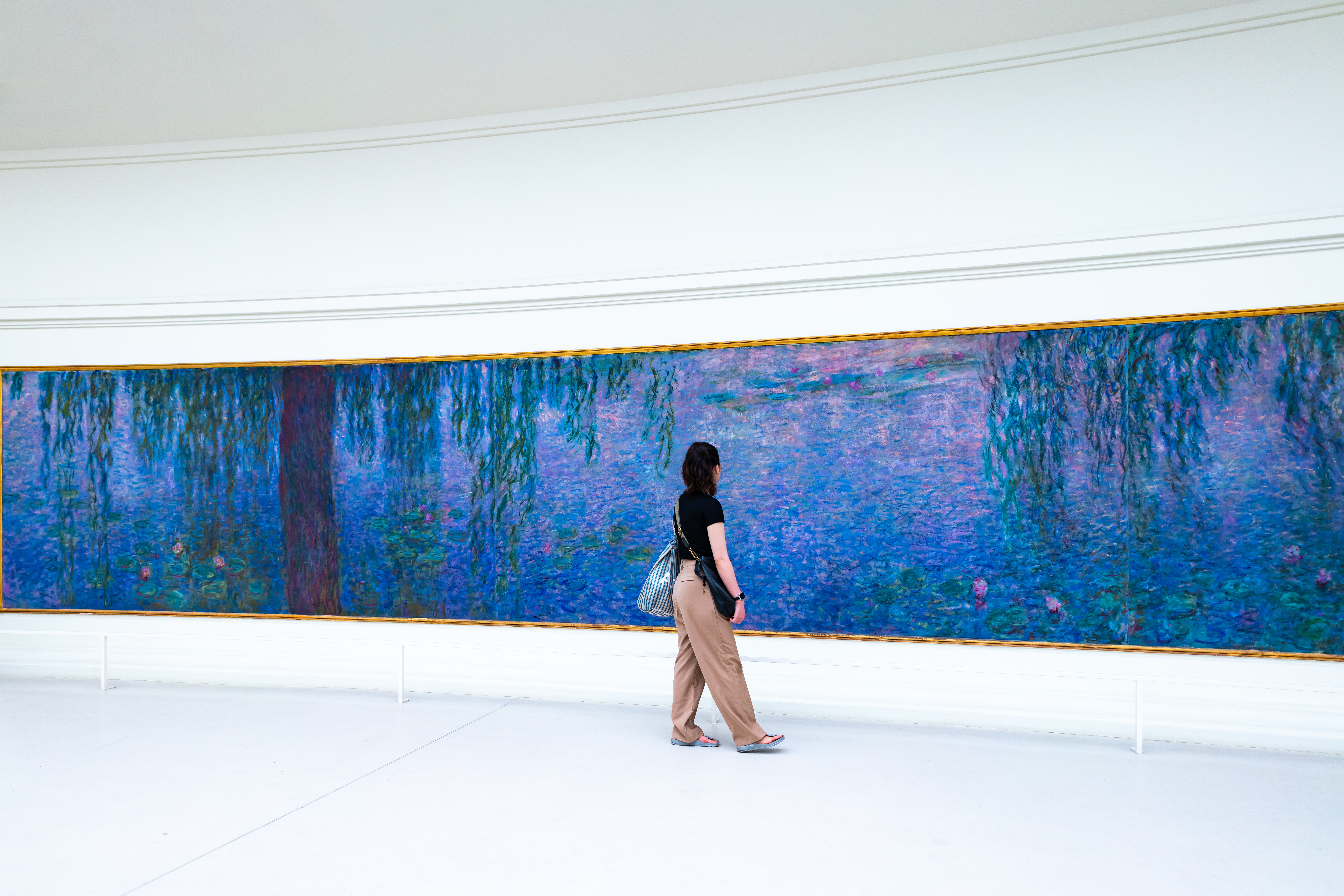
Late in life, Monet conceived the Water Lilies not as individual paintings, but as an immersive environment. The monumental panels displayed in the Orangerie Museum in Paris surround the viewer, eliminating any fixed point of focus.
This idea began in the water garden. Monet wanted to recreate the sensation of standing beside the pond, enveloped by light and reflection. The garden was no longer inspiration alone; it became architecture, rhythm, and experience.
Modern art would soon follow this path.
Why Standing by the Pond Feels Different ?
Visitors often remark that the water garden feels unusually quiet, even when crowded. The enclosed space, the absence of distant views, and the dominance of reflection create a sense of suspension.
This was intentional. Monet designed the garden to isolate perception. When you stand by the pond, you are seeing almost exactly what Monet wanted to see: a world reduced to light, color, and movement.
Understanding this transforms the experience. The garden stops being decorative and becomes conceptual.
Seeing the Water Garden With Context
Without explanation, the water garden is undeniably beautiful. With context, it becomes one of the most important artistic spaces of the modern era.
Knowing why Monet built it, how he used it, and what he was searching for changes how you see both the garden and the paintings it inspired.
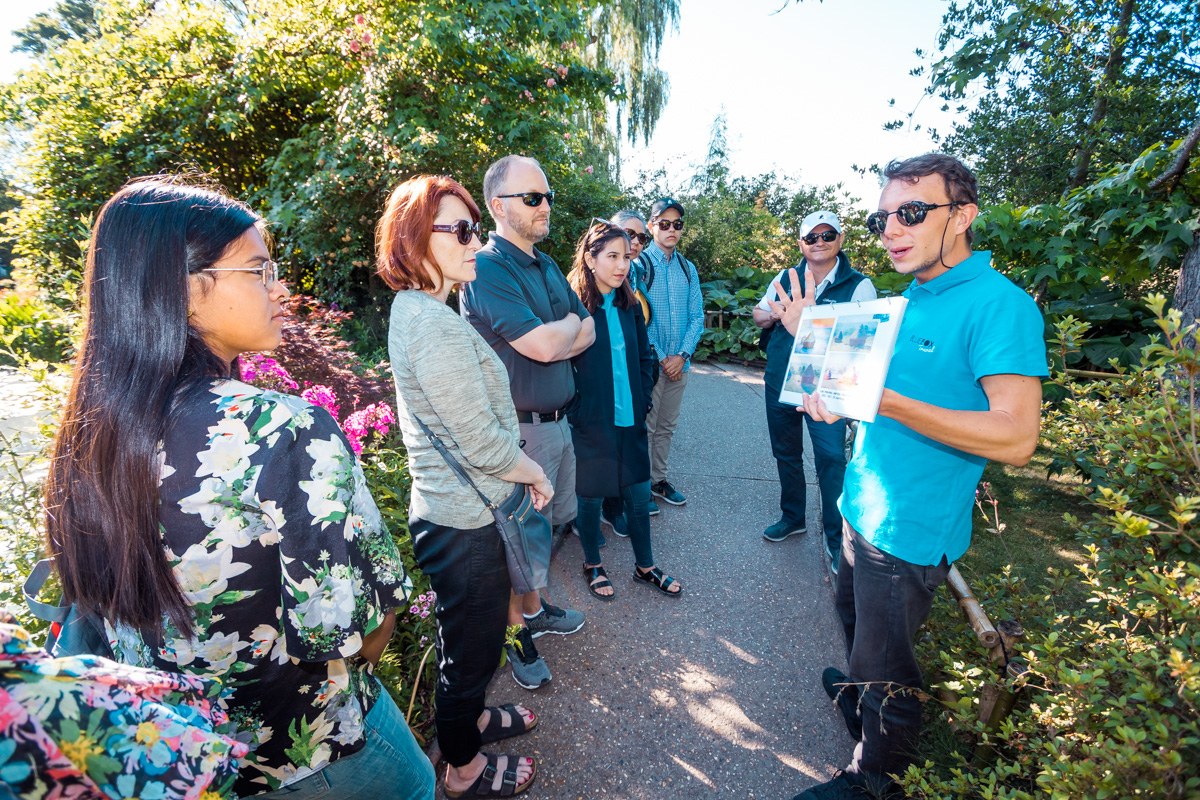
Blue Fox Travel’s Giverny Trip from Paris is designed to provide this context. Rather than focusing only on the visual appeal, the experience explains how the water garden shaped Monet’s thinking and why the Water Lilies represent a turning point in art history.
The water garden at Giverny is not simply where Monet painted his most famous works. It is where he redefined what painting could be.
Standing beside the pond, you are not just visiting a garden.
You are standing inside an idea that changed the course of art history.