Best Time to Visit Mont Saint-Michel
Oct 26, 2026 | French Regions
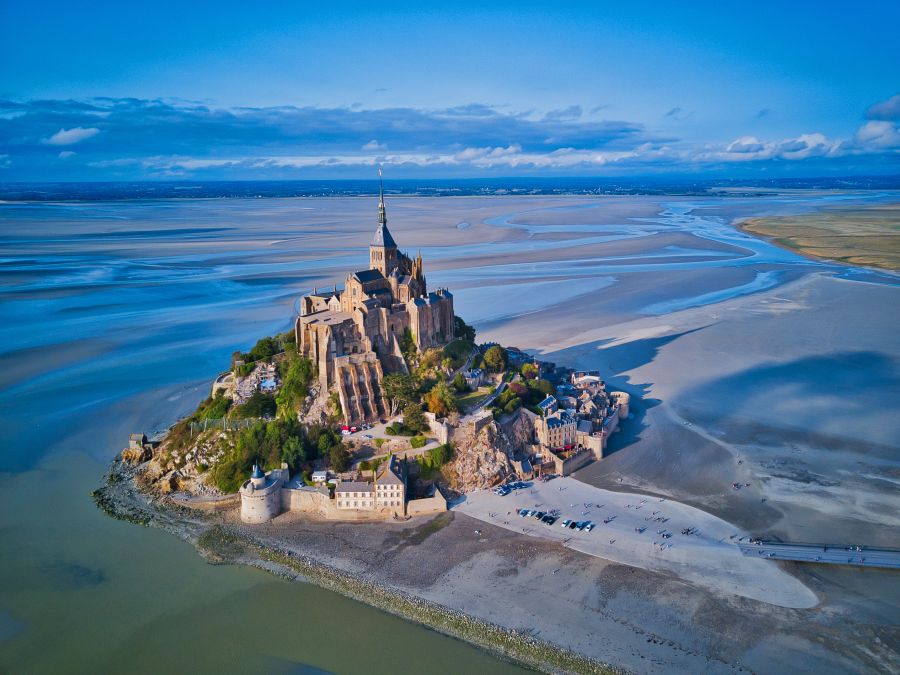
There is a moment at Mont Saint-Michel when the landscape seems to change its mind. The tide retreats across the bay, revealing immense stretches of sand beneath the medieval silhouette. Hours later, the water returns, surrounding the rocky island and restoring the impression that the abbey is floating above the sea. The same place can feel entirely different depending on the season, the hour, and the movement of the tides. Choosing the best time to visit Mont Saint-Michel is therefore about more than finding pleasant weather. It is about understanding how light, water, and the rhythm of visitors shape the experience of one of France’s most extraordinary historic sites.
Why Timing Changes the Experience
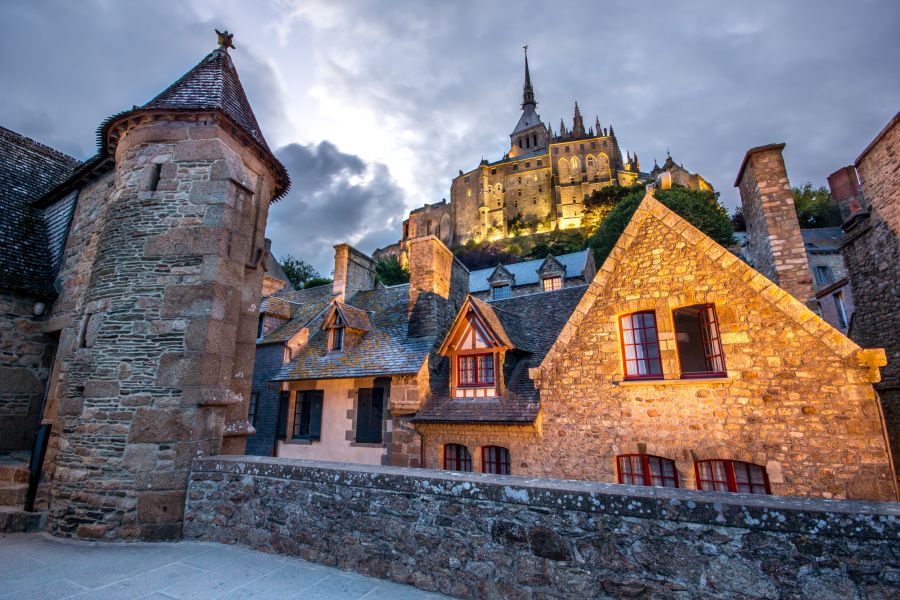
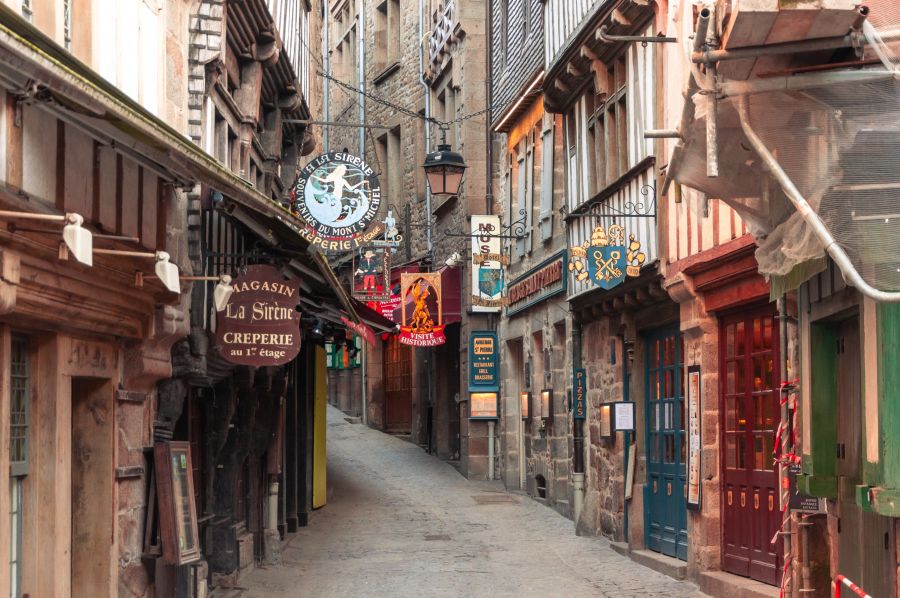
Mont Saint-Michel welcomes visitors throughout the year, but not every moment offers the same atmosphere. Summer brings longer days, lively streets, and a particularly animated village. It also attracts large crowds, especially between late morning and mid-afternoon. For a quieter experience, autumn and winter often have a particular appeal. According to Normandy Tourism, visiting on a weekday outside school holidays and public holidays is one of the best ways to appreciate the medieval streets with fewer people around. Early mornings before 10 a.m. and late afternoons after 5 p.m. can also offer a more peaceful perspective. The difference is significant. When the narrow lanes are less crowded, it becomes easier to notice the stone façades, the steep stairways, and the changing views of the bay. The monument feels less like a famous attraction and more like a village shaped by centuries of history.
A Medieval Sanctuary Shaped by the Sea
The history of Mont Saint-Michel helps explain why the timing of a visit matters so much. According to tradition, the sanctuary was founded in 708, following a vision of the Archangel Michael experienced by Aubert, Bishop of Avranches. Over the centuries, the site developed into a major Christian pilgrimage destination, attracting travelers who came to worship at the summit. Its abbey gradually became an extraordinary architectural ensemble, rising above the village in layers of Romanesque and Gothic construction. The steep ascent toward the church reflects the spiritual ambition of the place: a journey from the ordinary world toward a sanctuary suspended above the surrounding landscape. The bay was always part of this identity. Its powerful tides could transform the mount into an island, making access difficult and reinforcing its sense of separation. Since 1979, Mont Saint-Michel and its bay have been recognized together as a UNESCO World Heritage Site, acknowledging the relationship between the monument and its remarkable natural setting.
Spring, Summer, Autumn, or Winter?
Each season reveals a different side of Mont Saint-Michel. Spring brings fresh green tones to the surrounding countryside and increasingly long days. It can be a rewarding time to explore the village and abbey, although school holidays and public holidays may bring substantial crowds. Summer offers the most generous daylight and a lively atmosphere. The silhouette of the mount remains striking against the evening sky, and seasonal activities can extend the experience beyond the usual daytime visit. However, the busiest hours can make the narrow streets feel crowded, while coastal weather remains changeable even in warmer months. Autumn is especially appealing for travelers who value atmosphere over activity. Softer light, cooler air, and quieter periods create a more contemplative setting. Winter offers an even more restrained experience, with dramatic skies and a landscape that can feel almost austere. The trade-off is shorter daylight, colder winds, and the need to check opening times carefully. There is no universally perfect season. The best choice depends on whether you prefer lively summer days, quieter historic streets, or the striking contrasts of the colder months.
The Tides: The Detail Many Visitors Overlook
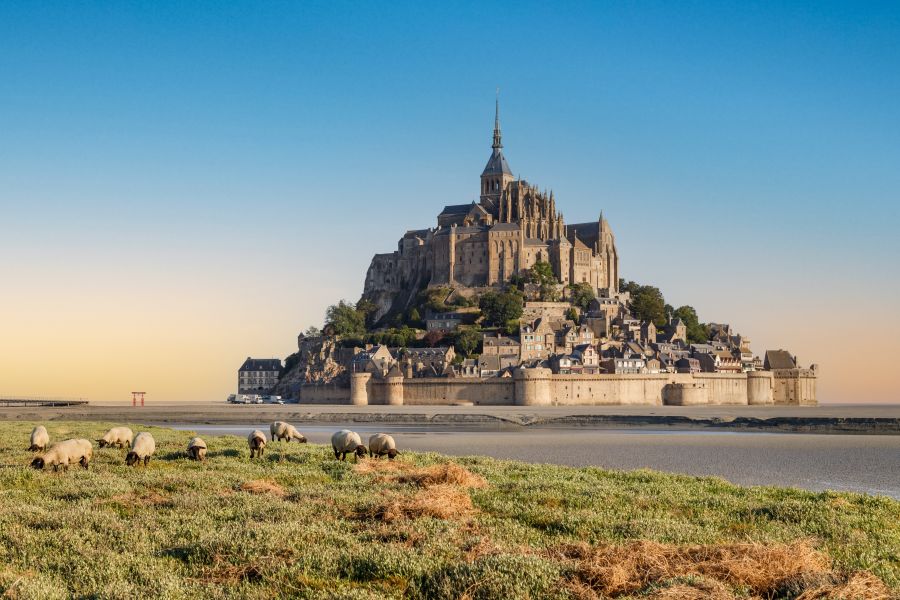
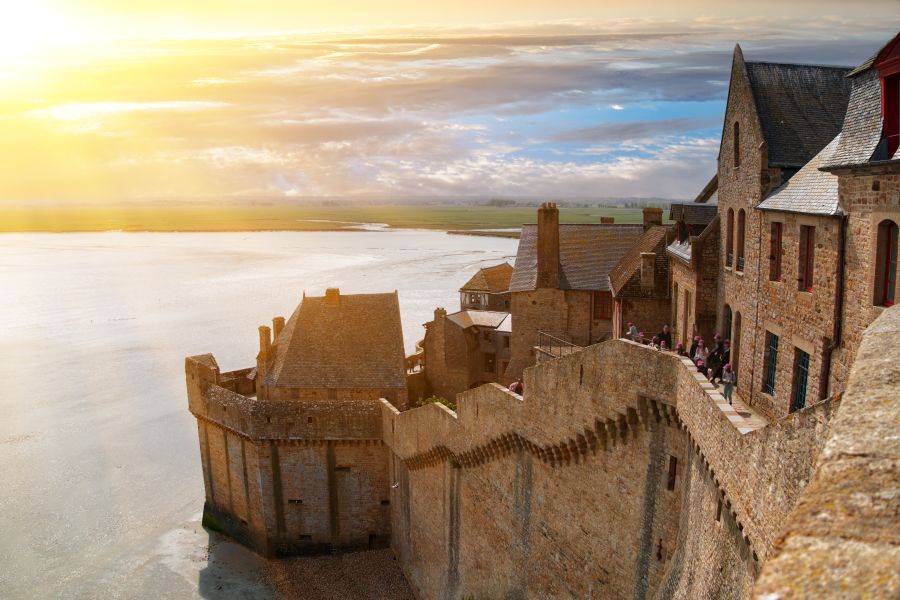
Even travelers who plan their visit around the weather sometimes overlook the most distinctive feature of the bay: its tides. Mont Saint-Michel lies within a region known for some of the highest tidal ranges in continental Europe. During exceptional high tides, the sea can surround the mount again for a short period. The rising water, sometimes accompanied by a visible tidal bore, transforms the familiar landscape into a natural spectacle. These events do not occur at the same time every day, and a visit during high tide is not automatically the best option for everyone. Visitors hoping to witness the phenomenon should consult the official tide calendar and arrive approximately one to two hours before high water. Access conditions can change, so local safety instructions must always take priority. The bay should never be crossed alone. Its quicksands, channels, and rapidly rising water make guided crossings essential for anyone wishing to explore the tidal landscape on foot.
Why the Quietest Hours Often Reveal the Most
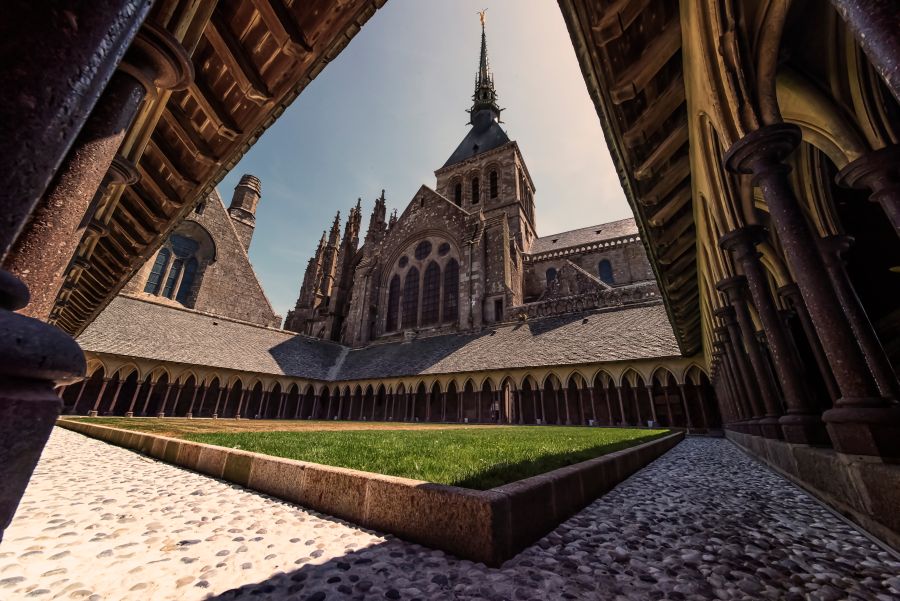
The hours between the main waves of visitors can change the way Mont Saint-Michel is perceived. In the early morning, the village gradually emerges from the coastal mist, and the first footsteps echo through streets that will later fill with movement. In the evening, the stone walls take on warmer tones as the light fades across the bay. These quieter moments reveal something that a midday visit can easily obscure. Mont Saint-Michel was not designed as a viewpoint alone. It was a place of prayer, work, residence, and pilgrimage, built around the demanding geography of a tidal island. The abbey is worth exploring beyond its famous exterior. Its cloisters, vaulted rooms, and terraces reveal the practical ingenuity required to build such a complex structure on a steep, rocky summit. From the upper levels, the surrounding bay becomes part of the architectural experience rather than simply a beautiful backdrop. Allow at least half a day to explore the village, climb toward the abbey, and appreciate the landscape without rushing. If possible, staying overnight offers another perspective, when day visitors have departed and the medieval streets become quieter.
Choosing the Right Moment to Visit
The best time to visit Mont Saint-Michel ultimately depends on what you hope to discover. For fewer crowds, consider an autumn or winter weekday. For longer days and a livelier atmosphere, summer can be rewarding if you arrive early or stay late. If the tides are your priority, plan around the official tidal calendar rather than relying on the season alone. For travelers coming from Paris, a guided day trip can also provide useful historical and geographical context while simplifying the journey. Blue Fox Travel’s Mont Saint-Michel experience from Paris offers an opportunity to discover the abbey, medieval village, and surrounding bay with greater understanding of the history and natural forces that shaped them. Mont Saint-Michel is extraordinary in every season, but it becomes even more memorable when the visit follows the rhythm of the place itself. Sometimes, the most rewarding moment is not when the monument is at its busiest, but when the tide turns, the light softens, and the island seems to belong to the sea once again.