French Cultural Differences Explained: Why Everyday Life in France Follows Its Own Rhythm
Oct 22, 2026 |
One of the first cultural differences visitors notice in France is the importance of greetings. Saying bonjour before asking a question or making a request is an essential part of everyday politeness. Whether you are entering a bakery, approaching a shop assistant, or asking for directions, beginning with a greeting helps create a friendly interaction. French etiquette also includes the distinction between tu and vous. While tu is generally used with friends and family, vous is common in formal situations and when addressing strangers. Using vous when you are unsure is usually a safe choice. Social interactions may also feel more reserved than in some other countries. People do not necessarily engage in small talk with strangers, but conversations can become lively once a connection has been established. Debating ideas and expressing different opinions can be a normal part of social life.The key to understanding French etiquette is recognizing that politeness does not always mean excessive friendliness. Small gestures, respectful language, and an awareness of personal boundaries often matter more than enthusiastic expressions. Travel tip: Learn a few basic French expressions, including bonjour, s'il vous plaît, merci, and au revoir. Even a small effort can make everyday interactions smoother.
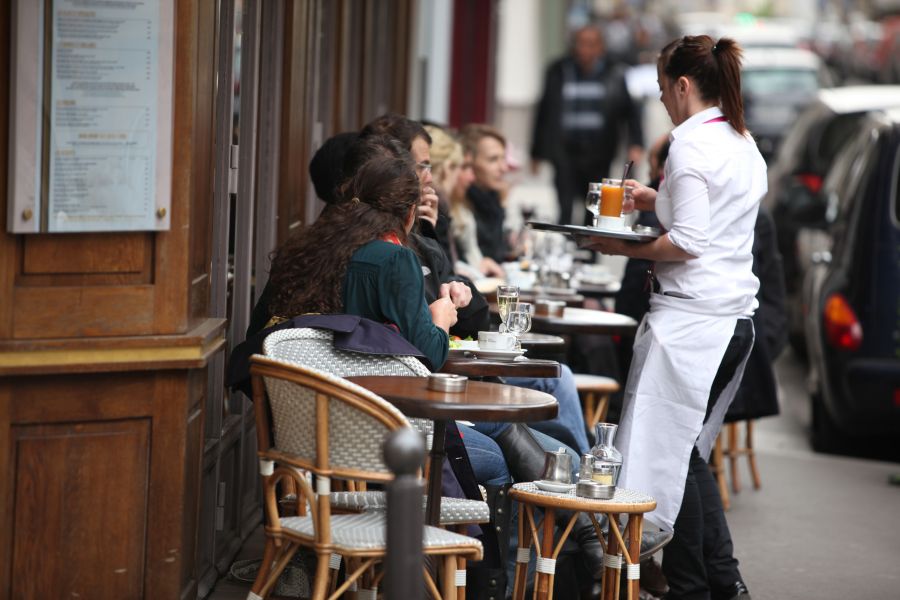
French Food Culture: Why Meals Follow Their Own Schedule
Food plays an important role in French culture, and mealtimes often shape the rhythm of the day. Lunch traditionally takes place between noon and 2 p.m., while dinner usually starts later in the evening. Although modern schedules vary, many traditional restaurants continue to organize their service around these meal periods.Visitors may be surprised to discover that some restaurants are closed between lunch and dinner. Arriving at 5 p.m. and expecting a full restaurant menu may not always work, particularly outside major tourist areas.Meals are also social occasions. Lunch with colleagues, dinner with friends, or a weekend meal with family can involve long conversations and several courses. In France, the experience of eating is often just as important as the food itself.Bread is another essential part of everyday life. Neighborhood bakeries attract customers throughout the day, whether they are buying a baguette for dinner, a croissant for breakfast, or a sandwich for lunch. Coffee culture also has its own rituals, with many people enjoying an espresso at a café counter or spending time on a terrace.Tipping differs from practices in countries where gratuities are expected. French restaurant prices generally include service, so tipping is optional, although leaving a few euros for particularly good service is appreciated. Travel tip: Plan your meals around local opening hours, try a traditional bakery, and allow yourself enough time to enjoy a meal without rushing.
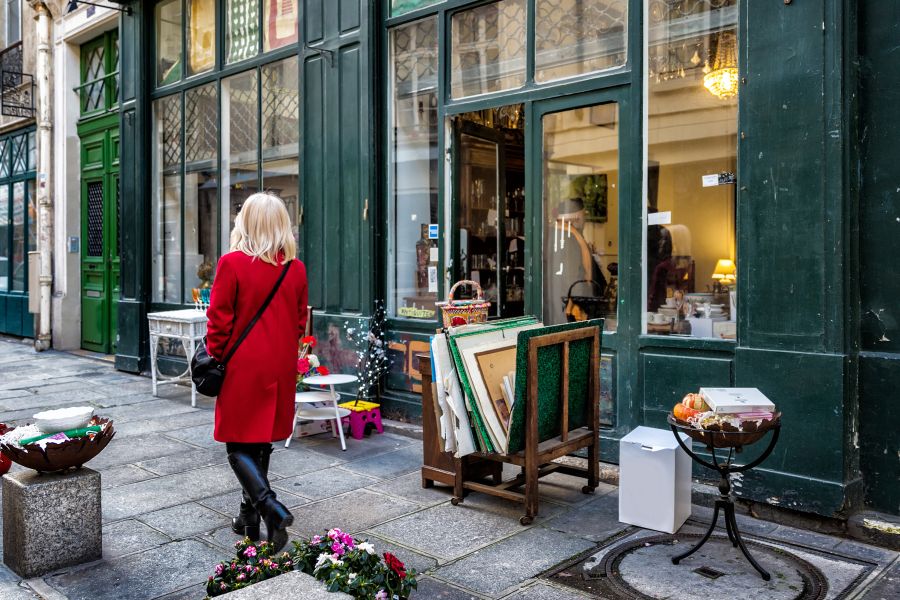
Shopping Hours, Public Holidays, and the French Approach to Time
Shopping in France can require more planning than visitors expect. Independent shops in smaller towns may close during lunch, while many businesses have a weekly closing day. Sunday opening hours are also limited in many areas, although supermarkets and shops in tourist districts may operate for part of the day. Public holidays can affect everyday routines as well. France observes several national holidays, including Bastille Day on July 14, as well as holidays associated with religious traditions. During these periods, some shops, offices, and services may close or operate on reduced schedules. Another expression worth knowing is faire le pont, which means taking an extra day off between a public holiday and a weekend. This can create longer breaks and influence travel patterns. The French approach to time is also connected to the importance of holidays and personal life. Employees generally have statutory paid annual leave, and summer holidays remain a significant feature of the national calendar. In August, some independent businesses may close for annual vacations, particularly in smaller towns. However, France is not uniformly slow-paced. Paris can be busy and demanding, and working hours vary considerably across professions. The important lesson for travelers is that daily schedules may follow local conventions rather than operating continuously throughout the day. Travel tip: Check opening hours before visiting a shop or restaurant, plan grocery shopping ahead of Sundays and public holidays, and keep alternative options in mind.
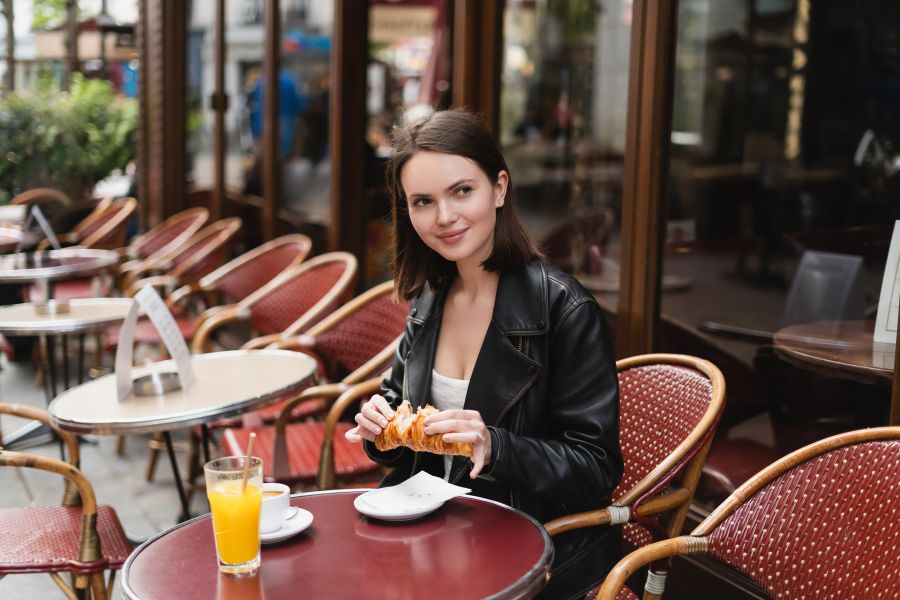
Work-Life Balance, Cafés, and Everyday French Rituals
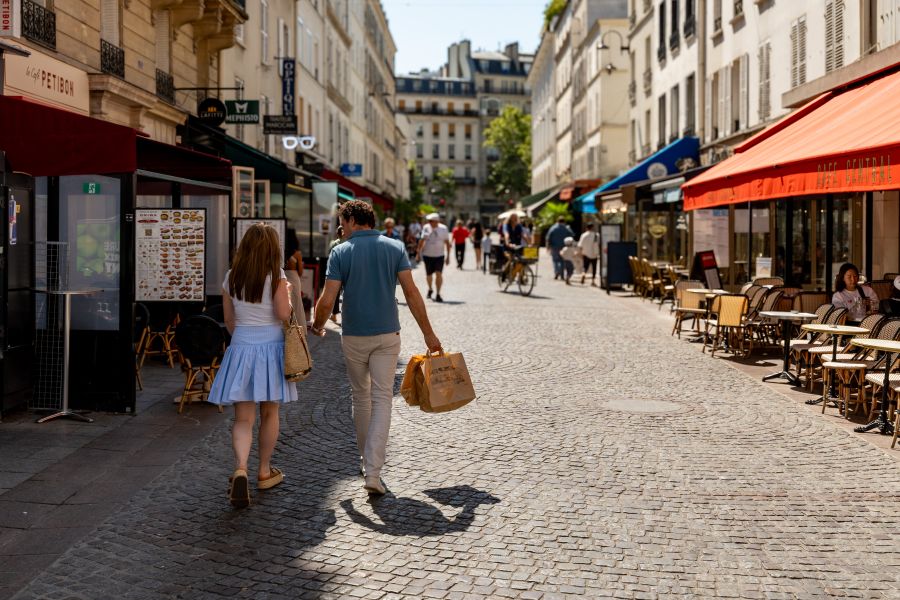
France is often associated with a strong separation between work and personal life. Paid leave, rest periods, and working-time regulations form part of the country's employment framework, although actual working conditions vary between industries and employers. For many people, everyday life also includes small rituals that provide structure to the day. A morning visit to the bakery, a coffee at a neighborhood café, a trip to the market, or an evening walk can become familiar parts of a weekly routine. Cafés are particularly important in French urban life. They offer places to meet friends, read, have a conversation, or simply observe the street. In cities such as Paris, café terraces are part of the landscape, creating spaces where people can pause without necessarily having a particular task to complete. Regional traditions add another layer to this way of life. Food, architecture, local festivals, and daily routines differ across France. Brittany, Provence, Alsace, and Burgundy each have distinctive culinary traditions and cultural influences. Paris has its own fast-paced urban atmosphere, while smaller towns may be more closely connected to local markets and familiar neighborhood businesses.These differences demonstrate that French culture is not a single set of rules. Everyday life depends on location, age, profession, and personal preferences. Travel tip: Explore beyond the main tourist attractions. Spend time in a local café, visit a neighborhood market, or take a walk through a smaller town to discover a different side of France.
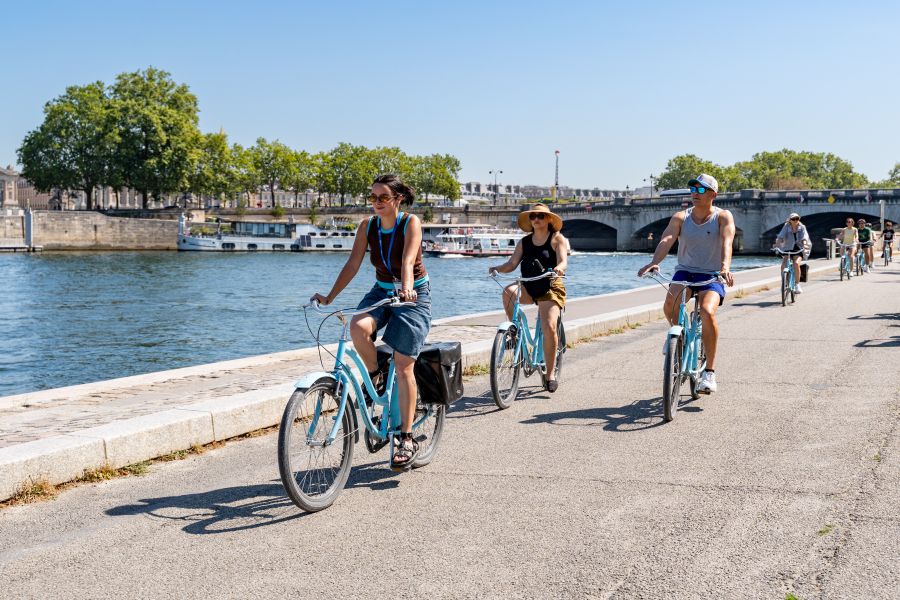
Discover French Culture with Blue Fox Travel
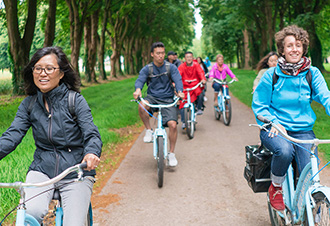
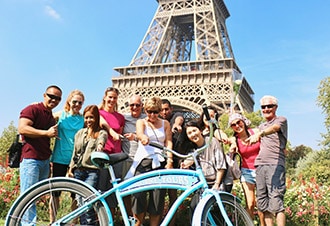
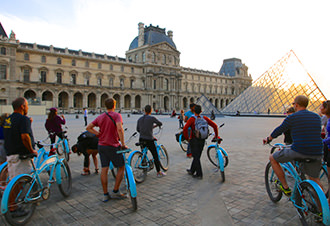
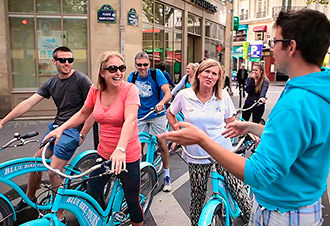
One of the best ways to understand French culture is to explore the country with people who know it best. Blue Fox Travel offers a variety of experiences, from van tours through the beautiful regions of France to bike tours around Paris, giving visitors the opportunity to discover the country beyond its famous landmarks. Travel with local Parisians who can share their knowledge of French customs, everyday habits, regional traditions, and food culture. Whether you are cycling through the streets of Paris or discovering the French countryside by van, these experiences offer a chance to hear local stories, learn about French gastronomy, and gain a better understanding of what makes life in France so distinctive. Exploring with knowledgeable local guides allows you to see France from a different perspective, discover places you might otherwise miss, and connect the country's history and traditions with the way people live today. With Blue Fox Travel, your journey becomes more than sightseeing. It is an opportunity to experience French culture through the eyes of the people who call it home.