Paris in Winter vs Summer: When to Visit?
Oct 13, 2026 | Paris travel tips, Things to do in Paris
Paris changes its character with the seasons. In summer, sunlight lingers on the Seine, café terraces fill with conversation, and the city seems to unfold outdoors. In winter, the streets grow quieter, the light becomes softer, and familiar monuments take on a more intimate atmosphere. The same city can feel remarkably different depending on when you arrive. Choosing between winter and summer in Paris is not simply a question of temperature. It is about deciding what kind of experience you want. Do you imagine long walks along the river beneath a bright sky, or an afternoon spent discovering museums and historic streets away from the cold? Each season reveals a different side of the French capital.
Paris in Summer: A City That Lives Outdoors
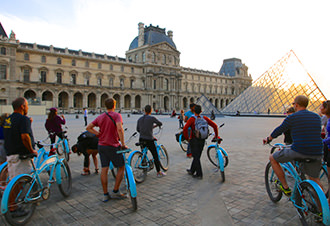
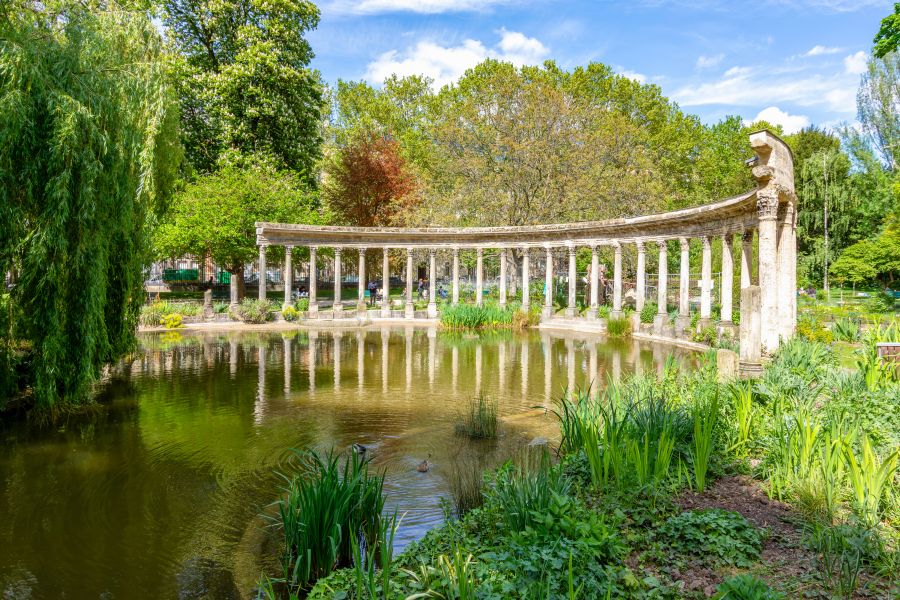
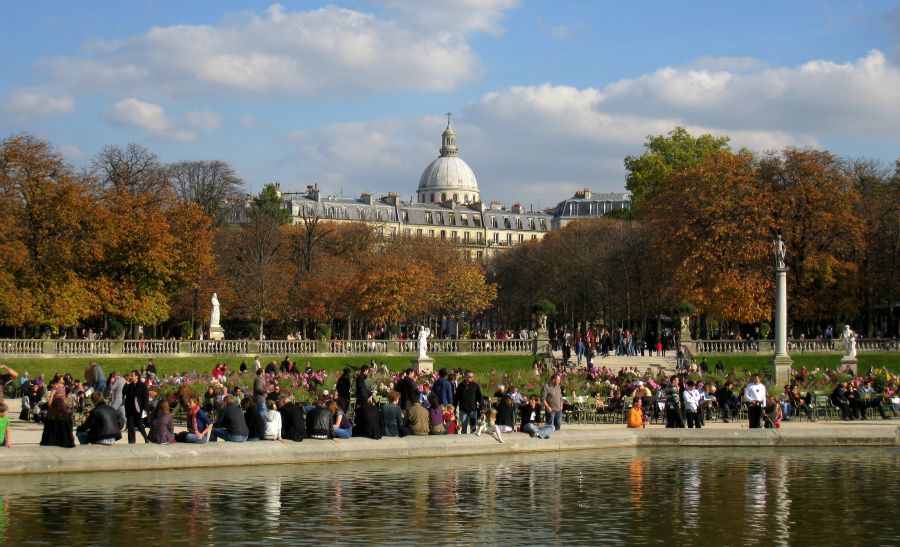
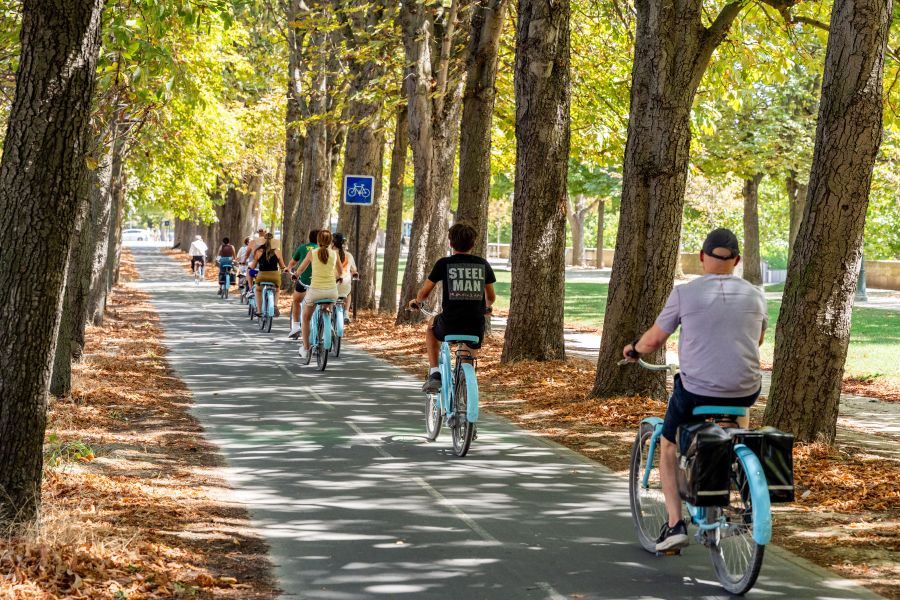
From June to August, Paris embraces outdoor life. Trees provide shade along the boulevards, restaurant terraces spill onto pavements, and the banks of the Seine become natural gathering places. Warm evenings encourage people to linger long after dinner, turning an ordinary walk into an experience in itself. Summer also offers some of the longest days of the year. Around the June solstice, daylight can last until nearly 10 p.m., giving visitors more time to explore neighborhoods, gardens, and riverside landmarks. The golden light falling across the Louvre courtyard or the façades of Île de la Cité creates a different perspective on places that can feel more formal in winter. Yet summer has its compromises. Popular attractions often attract substantial crowds, and temperatures can rise sharply during heatwaves. August is also traditionally associated with the French holiday period, when some independent shops and neighborhood restaurants close temporarily. Paris remains lively in many areas, but its rhythm can become less predictable.
Winter in Paris: History, Light, and Intimacy
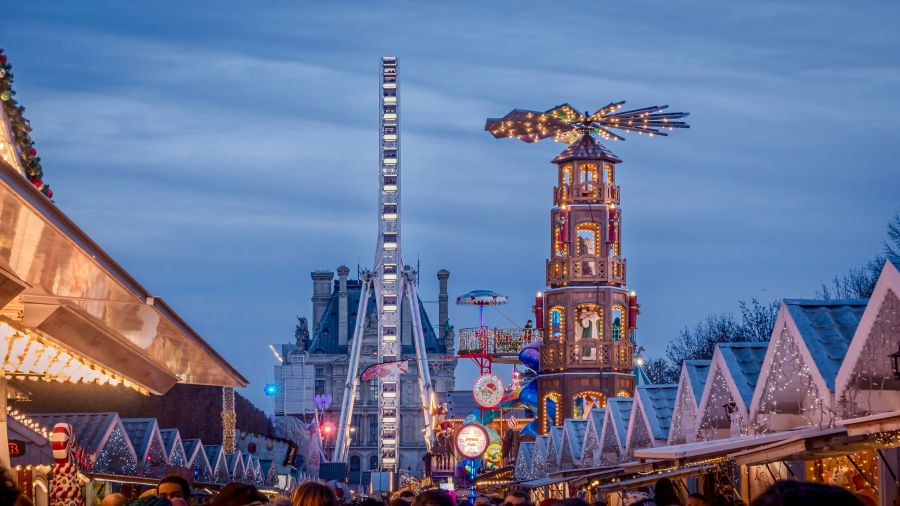
Winter brings a quieter beauty. From December to February, the days are shorter, the air is colder, and the city often feels more contemplative. Bare trees reveal architectural details that foliage hides in summer, while pale winter light settles over bridges, stone façades, and historic squares. Paris also has a long tradition of transforming winter into a cultural season. The department stores of Boulevard Haussmann display elaborate Christmas windows, while festive illuminations brighten major streets during December. Museums and galleries offer a natural refuge from the cold, making winter especially appealing to travelers who want to spend time with art, architecture, and history. There is a practical advantage, too. Outside the Christmas and New Year period, winter can bring fewer visitors to some major attractions than the peak summer months. However, popular museums and monuments remain busy, and shorter opening hours or seasonal closures can affect certain gardens and smaller sites. The weather requires preparation. Rain is common, temperatures frequently hover in the low single digits or around 10°C, and snow is possible but far from guaranteed. Winter Paris is less about picturesque snowfall than about adapting to its changing light and finding warmth in its cafés, covered passages, and cultural spaces.
Two Seasons, Two Different Histories of Paris
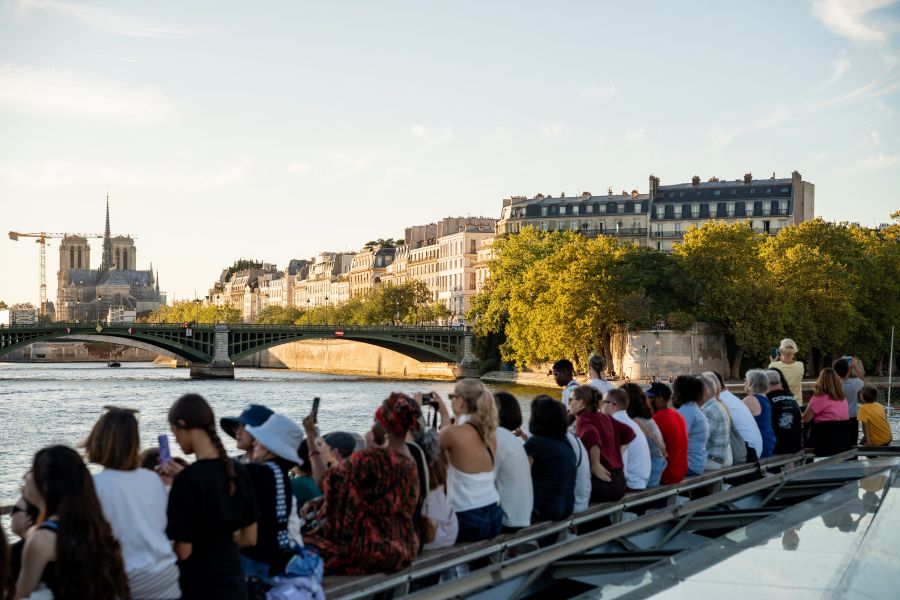
The contrast between winter and summer reflects something deeper about the city. Paris was not designed solely as a collection of monuments to be admired. Its boulevards, public gardens, covered arcades, and riverside paths were shaped by centuries of changing urban life. During the nineteenth century, Baron Haussmann's transformation of Paris, carried out largely between 1853 and 1870 under Napoleon III, created broad avenues, coordinated façades, and new public spaces. These changes shaped the city visitors recognize today. In summer, the avenues invite long walks and outdoor observation. In winter, the same streets reveal their architectural order more clearly, particularly when trees lose their leaves. This is why the season can change not only how Paris looks, but also how its history is experienced. One invites you to participate in the city's public life. The other encourages closer attention to its buildings, collections, and quieter corners.
What Visitors Often Miss About Seasonal Paris
Many travelers choose summer because they associate it with the ideal Parisian postcard. Others favor winter in the hope of avoiding crowds entirely. Both expectations can be misleading. Summer is not always sunny, and winter is not always empty. Rain can arrive in either season, major landmarks remain popular throughout the year, and a beautiful day can transform the atmosphere of the city regardless of the calendar. What is often overlooked is the relationship between weather, pace, and attention. Summer makes spontaneous discoveries easier because there is more daylight and more outdoor activity. Winter can encourage a more deliberate itinerary, with time to explore a museum deeply or notice the details of a historic neighborhood. Neither season is inherently better; each rewards a different approach to travel.
Understanding Paris Beyond the Calendar
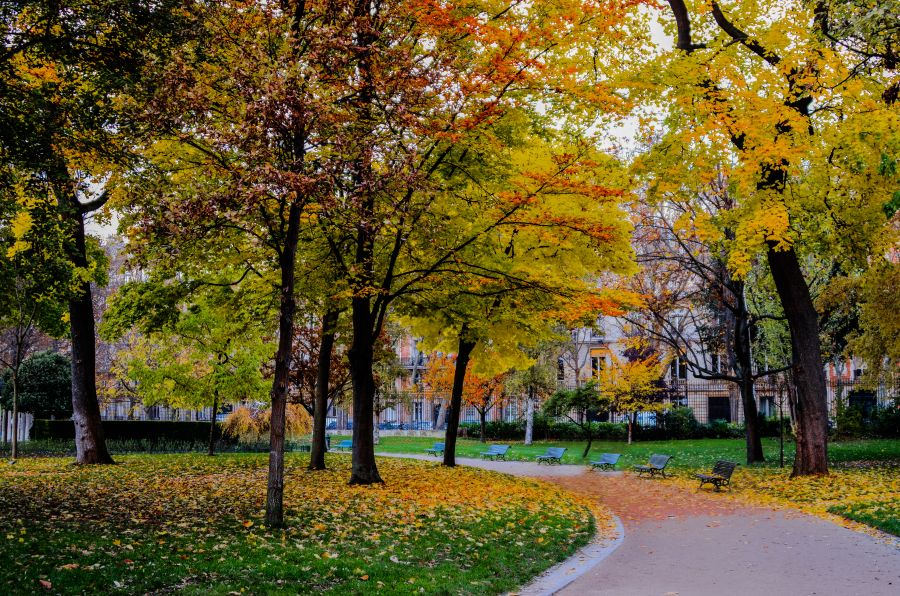
The best time to visit Paris depends on more than the forecast. Travelers interested in gardens, long riverside walks, and lively terraces may prefer late spring or early summer. Those drawn to museums, architecture, and the atmosphere of historic streets may find winter particularly rewarding. Spring and early autumn also deserve consideration. May often brings gardens into bloom, while September and October combine milder temperatures with the changing colors of the city's parks. These shoulder seasons can offer a satisfying balance between outdoor exploration and cultural visits. Whatever the month, Paris becomes more meaningful when its landmarks are understood in context. A monument is no longer just a photograph, and a street is no longer simply a route between attractions. The city's history emerges through the relationship between architecture, public life, and the people who have shaped it.
Experiencing Paris in Every Season
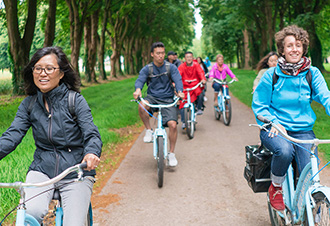
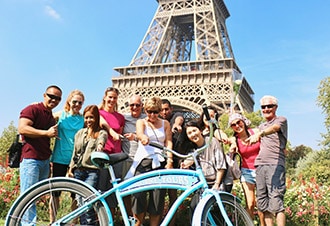
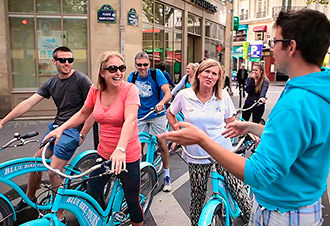
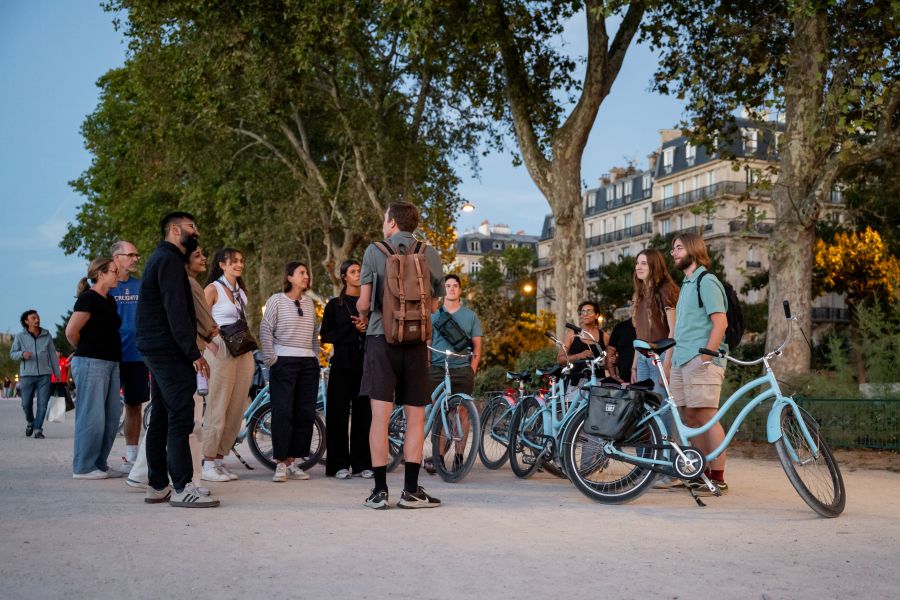
The real difference between winter and summer becomes clear when you begin exploring beyond the obvious landmarks. In summer, you might follow the Seine as evening settles over the water. In winter, you might discover the quiet elegance of a historic neighborhood or admire Parisian architecture from a different perspective. Paris is a city to explore throughout the year, and Blue Fox Traveloffers guided bike tours in every season, allowing visitors to discover its iconic landmarks, hidden streets, and historic neighborhoods at their own pace. When summer arrives, the experience can become even more memorable with an evening bike tour followed by a boat trip on the Seine, combining the charm of Paris after sunset with a different perspective from the water. Whether you visit Paris in the heart of winter or during the long summer evenings, Blue Fox Travel's year-round bike tours offer a way to experience the city's history and atmosphere beyond traditional sightseeing. In summer, an evening bike tour combined with a Seine boat trip adds another dimension to discovering the French capital. The right season is ultimately the one that matches your curiosity, your pace, and the kind of memories you hope to take home. Paris does not have a single perfect season. It has many different faces, each revealing something worth discovering.