French Food Americans Should Try
Oct 20, 2026 | French Regions, Must-see in Paris, Things to do in Paris
For many visitors, discovering France begins at the table. A warm croissant eaten beside a café window, the first taste of a perfectly baked baguette, or a plate of something unfamiliar in a neighborhood bistro can become as memorable as a visit to a famous monument. French food is often associated with elegant restaurants and elaborate recipes. Yet some of its most revealing dishes are surprisingly simple. They reflect regional traditions, seasonal ingredients, and a culture in which eating is not merely a necessity, but an important part of everyday life. For Americans visiting France, trying traditional French food offers more than a chance to discover new flavors. It provides a way to understand the country's history, its regions, and the rituals that continue to shape French life.

French Food Is About More Than Croissants and Baguettes
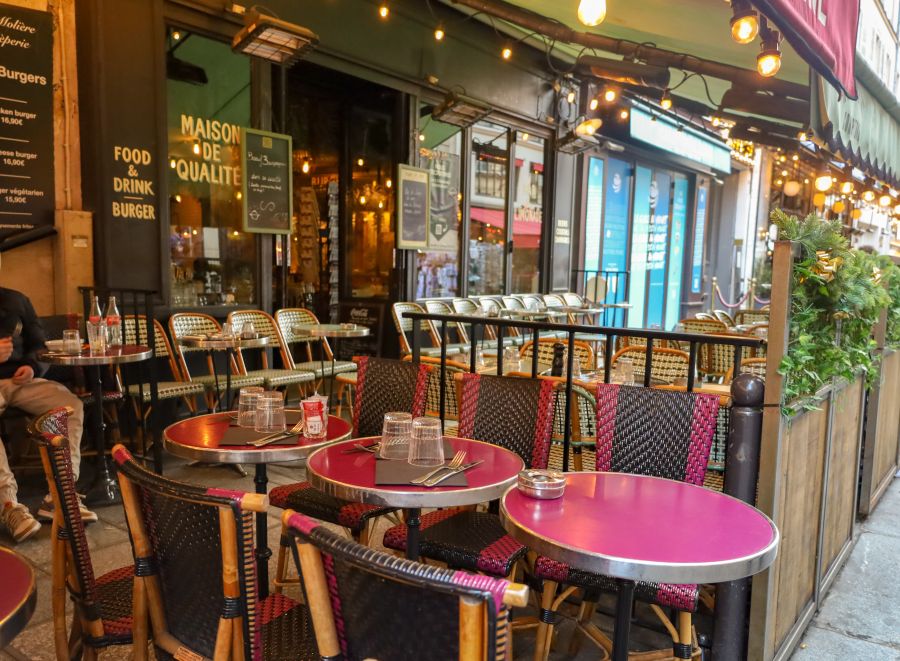
Croissants, baguettes, and macarons have become familiar symbols of French cuisine around the world. They deserve their reputation, but they represent only a small part of a much broader culinary tradition. France's regional diversity is reflected directly in its food. In Burgundy, slow-cooked beef dishes and rich sauces recall a tradition of hearty cooking. In Provence, olive oil, tomatoes, herbs, and garlic evoke the Mediterranean. In Alsace, Germanic influences appear in dishes such as choucroute garnie, made with sauerkraut and assorted meats. Even the humble crêpe tells a regional story. Originating in Brittany, crêpes are traditionally associated with buckwheat galettes on the savory side and delicate wheat-flour crêpes for sweet fillings. Understanding these differences changes the experience of eating in France. Rather than searching for one universal French cuisine, visitors begin to discover a collection of regional identities connected by a shared appreciation for food.
The Classics Every Visitor Should Discover
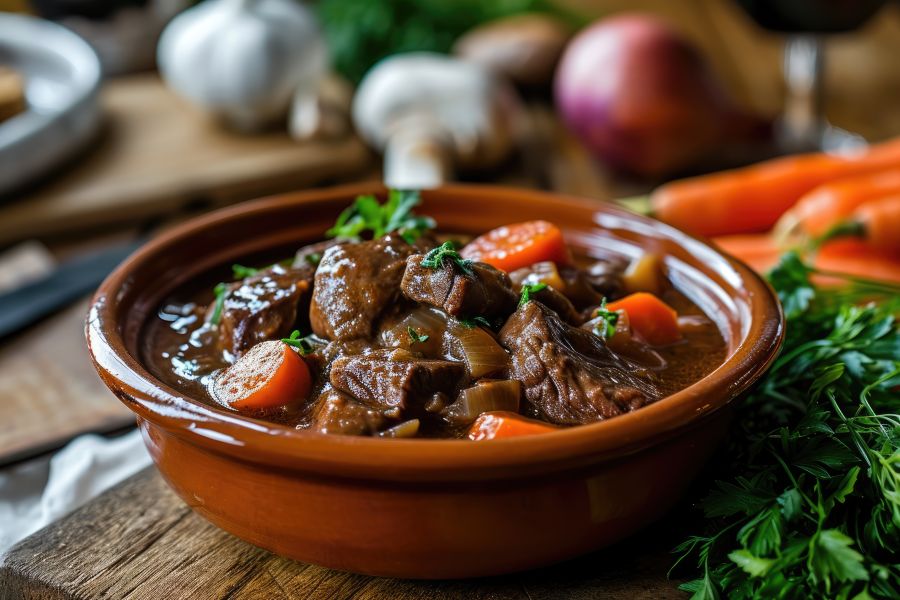
Some dishes offer a particularly good introduction to French culinary traditions. Boeuf bourguignon, a Burgundy specialty, combines beef, red wine, vegetables, and slow cooking. Its depth of flavor comes from time rather than complexity. The dish reflects a long tradition of turning everyday ingredients into something deeply satisfying. Coq au vin follows a similar principle. Traditionally prepared with chicken braised in wine, it belongs to a family of French dishes in which patient cooking transforms humble ingredients into rich, comforting meals. For something lighter, quiche Lorraine offers a taste of northeastern France. Its filling of eggs, cream, and bacon sits inside a pastry crust, creating a dish that works equally well for lunch or a relaxed meal at a café. Then there is French onion soup. Beneath its melted cheese and toasted bread lies a simple combination of onions, stock, and time. Its reputation is closely linked to Parisian dining culture, where it became a familiar comfort food. These dishes reveal an important characteristic of traditional French cooking: technique often matters as much as the ingredients themselves.
Cheese, Bread, and the Art of Everyday Eating
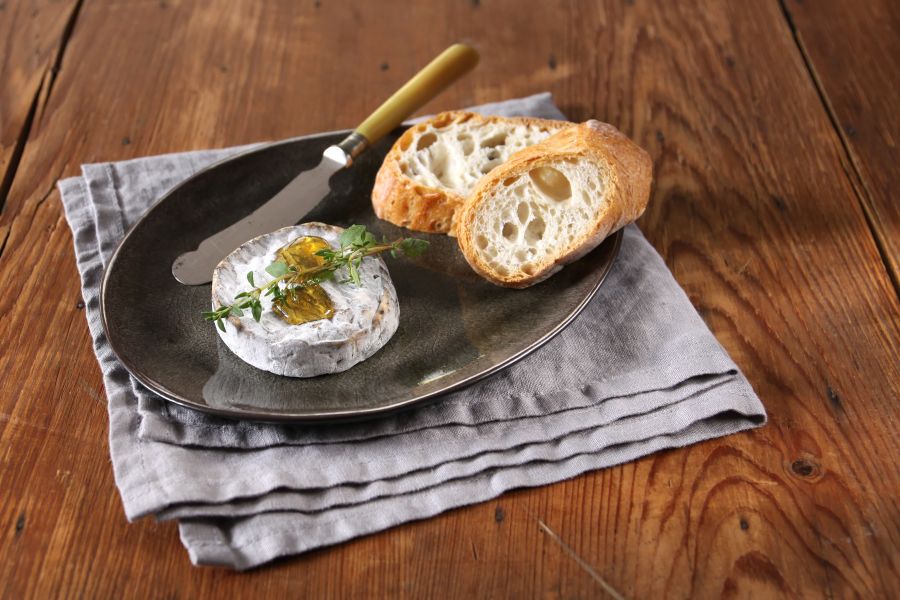
Some of the most meaningful French food experiences require no elaborate recipe at all. Bread remains central to daily life. The traditional baguette is protected by French standards governing its composition, and the baguette de tradition française follows specific rules concerning ingredients and production. In 2022, the baguette was added to UNESCO's Representative List of the Intangible Cultural Heritage of Humanity, recognizing the craft and social practices surrounding its preparation and consumption. Cheese offers another way to explore France's regional character. Camembert from Normandy, Comté from the Jura, and Roquefort from southern France each reflect different landscapes, production methods, and traditions. For American visitors accustomed to cheese served primarily as an ingredient, a French cheese course can feel like a different way of eating. The flavors are meant to be noticed individually, often accompanied by bread and shared at an unhurried pace. The experience is not necessarily formal. It is simply an invitation to pay attention.
Why Some French Dishes Surprise American Visitors
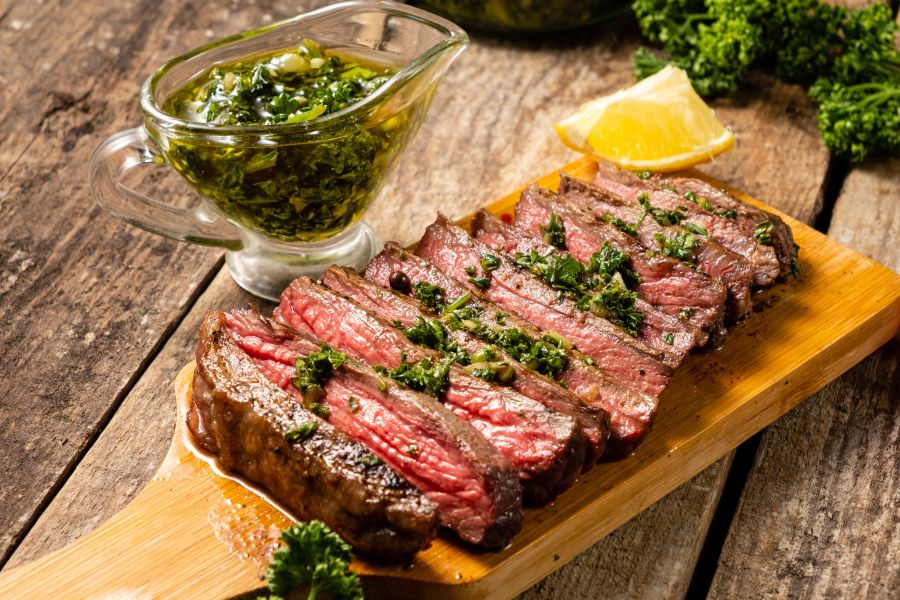
Differences in eating habits can make French cuisine feel unfamiliar at first. Meals may follow a more defined sequence, with several courses rather than one large plate. Lunch can be an occasion to sit down properly, while dinner often unfolds at a slower pace. Ingredients can also challenge expectations. Steak tartare, prepared with finely chopped raw beef, is a classic example. Escargots, commonly served with garlic and parsley butter, introduce another traditional preparation that may seem unusual before the first bite. Andouillettes, a regional sausage with a distinctive aroma, demonstrate just how varied French food culture can be. Not every dish will suit every palate. That is part of the discovery. Trying unfamiliar food offers a glimpse into traditions that cannot always be understood through monuments or museums alone.
Discovering France Through Its Food
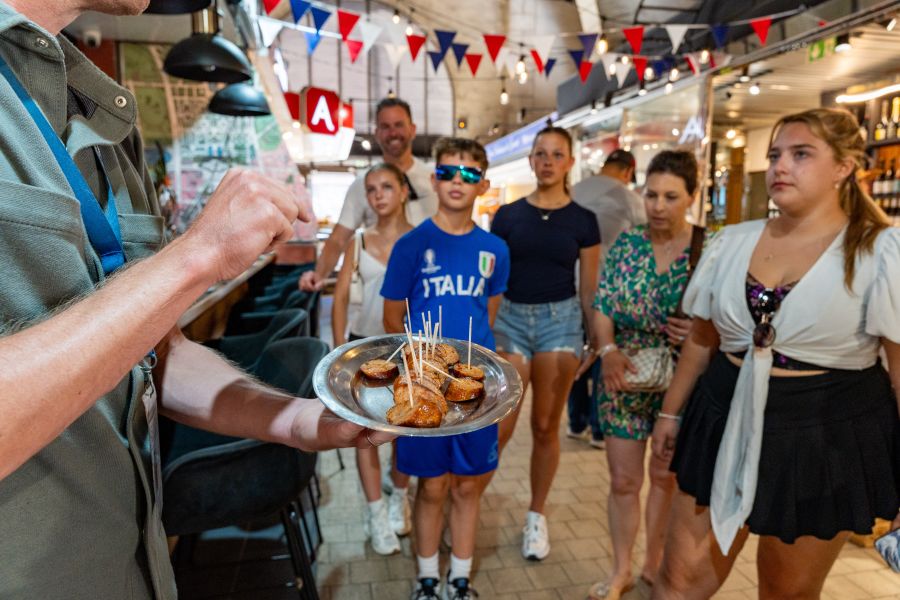
French cuisine is not a single fixed tradition. It has evolved through centuries of regional exchange, changing agricultural practices, courtly influence, and everyday ingenuity. The formalization of French culinary technique is often associated with chefs such as Auguste Escoffier, whose influential work Le Guide Culinaire, published in 1903, helped systematize professional kitchen practices. Yet the foundations of French food culture remain just as visible in local bakeries, market stalls, family recipes, and neighborhood restaurants. This contrast is part of what makes eating in France so rewarding. Refined techniques coexist with simple regional dishes, and celebrated specialties share the table with everyday food. During Blue Fox Travel's Versailles Bike Tour, you can discover French food culture firsthand with a stop at the Versailles market. You'll have around 45 minutes to explore the stalls, browse local produce, and discover French products that reflect the region's culinary traditions. From fresh ingredients to traditional market specialties, it's an opportunity to experience a more everyday side of French life and perhaps find something new to taste along the way. Trying French food is ultimately an invitation to experience the country at a different pace. Start with a warm baguette, explore the market, or linger over a regional cheese.The most memorable taste of France may not be the most elaborate one. It may simply be a product discovered at a local market, connecting you to the place you have come to explore.