Hidden Gems You Only See on a Bike Tour: Paris Beyond the Famous Landmarks
Aug 3, 2026 | Paris travel tips, Must-see in Paris, Things to do in Paris
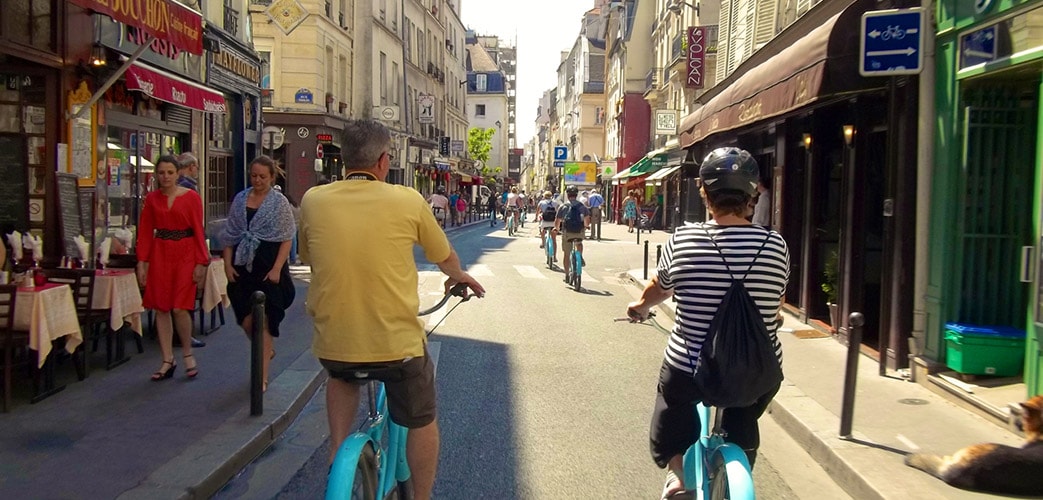
There is a version of Paris that never appears on postcards. It does not announce itself with monuments or wide panoramas, but in narrow passages, unexpected courtyards, and quiet streets where the city seems to exhale. It is the Paris that reveals itself only when you move through it slowly enough to notice the gaps between the landmarks. A bike tour is often the only way to enter this hidden geography, where the city feels less curated and more lived-in.
Unlike the familiar sequence of the Eiffel Tower, the Louvre, and Notre-Dame, these hidden corners do not demand attention. They reveal themselves gradually, almost accidentally, as the city opens up between major routes. Cycling makes this possible because it removes the barrier between observer and environment. You are not passing through Paris as a spectator. You are weaving through its texture.
The Forgotten Passages Between Major Streets
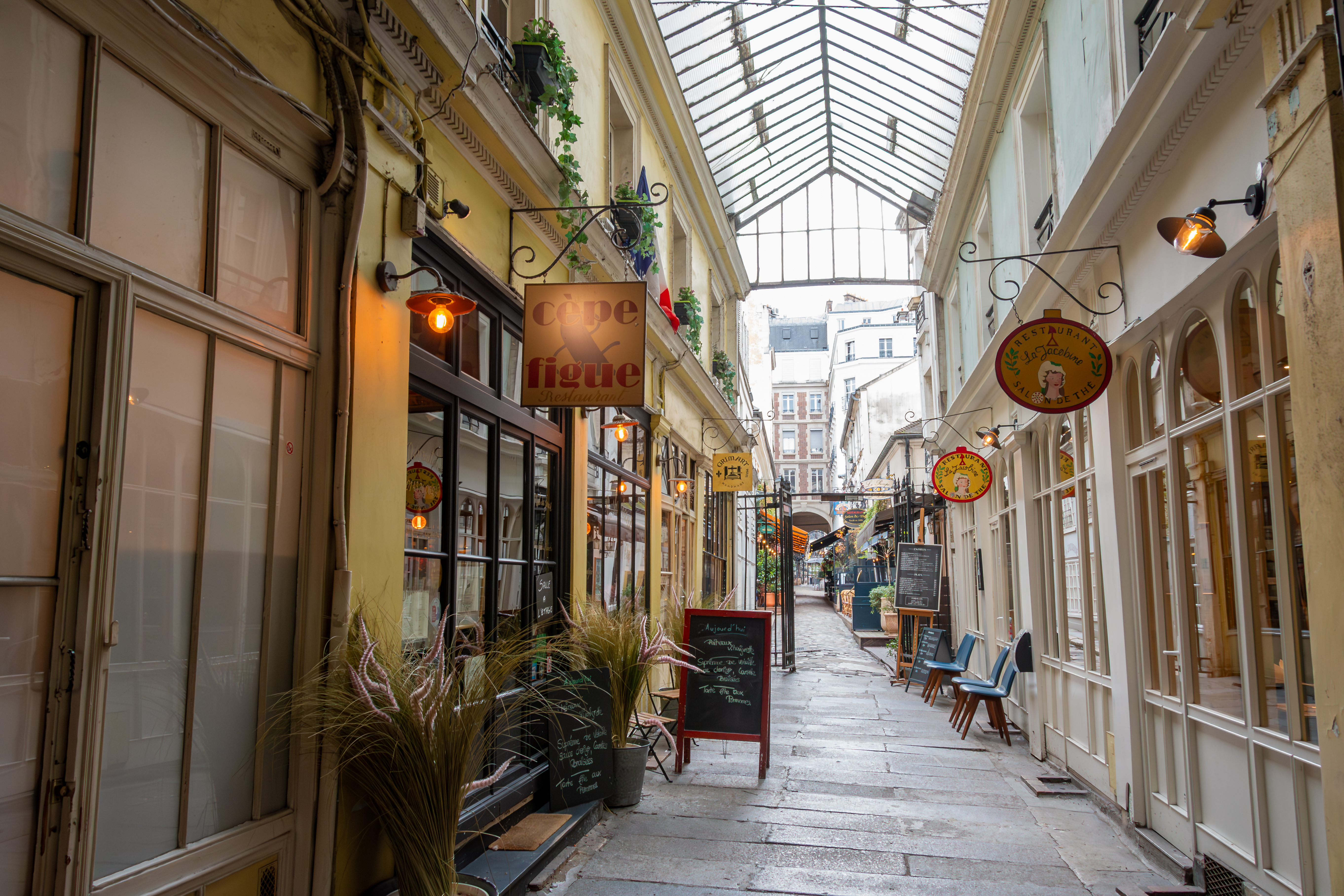
Paris is often described through its grand boulevards, but its true character often hides in the connective tissue between them. Narrow passages, old service roads, and small courtyards reveal a different architectural language. Some still carry traces of medieval Paris, where streets were irregular and built around foot traffic rather than design symmetry. On a bike, these spaces appear suddenly. A wide avenue might compress into a silent alley lined with ivy-covered walls. A modern block might open into a courtyard where time feels suspended. These transitions are easy to miss on foot when attention is fixed in direction, and nearly impossible to notice from a bus or car. What makes them special is not their beauty alone, but their intimacy. You pass within arm’s reach of textures, sounds, and details that belong to everyday Paris rather than its public image.
Canal Saint-Martin and the Quiet Industrial Elegance
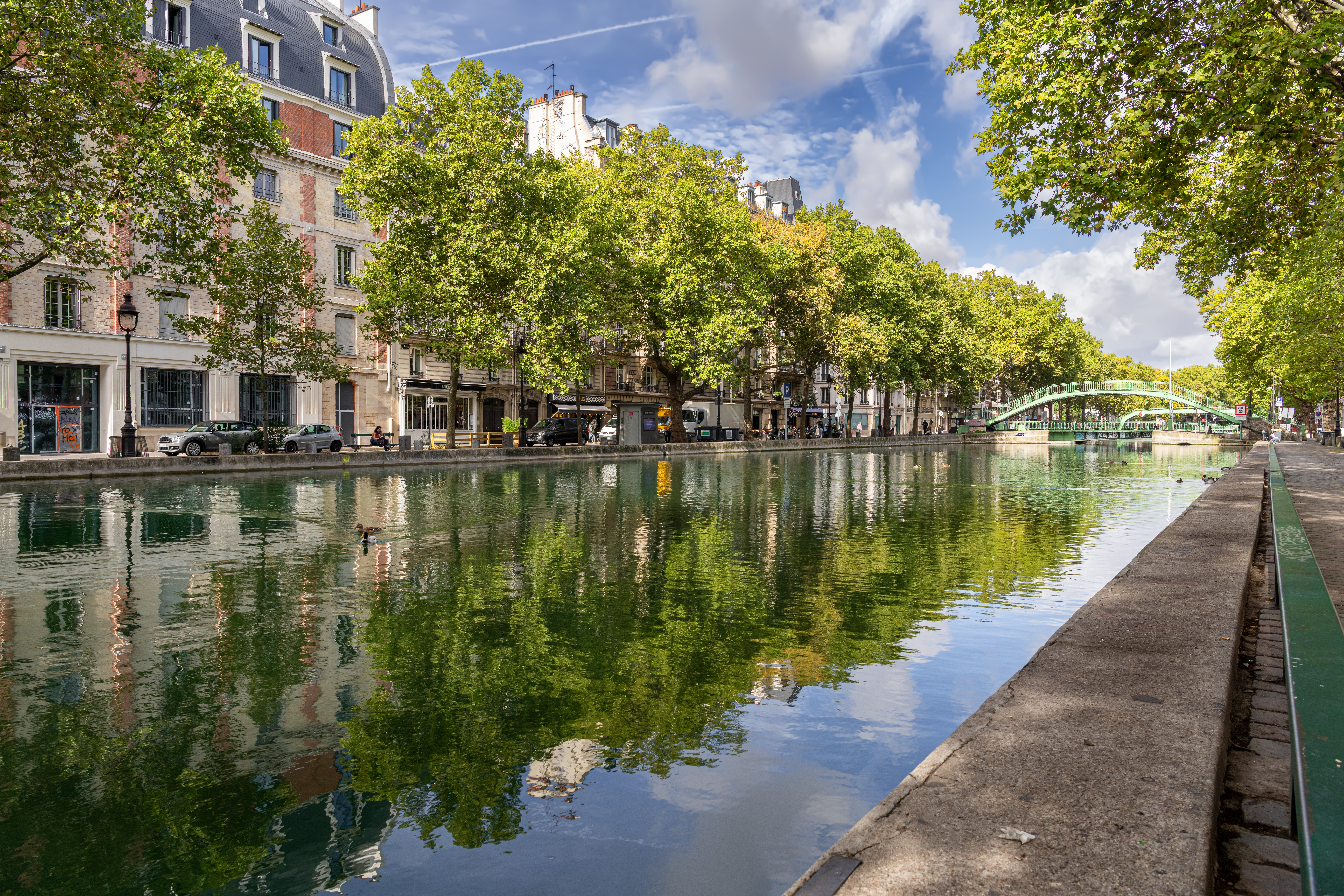
One of the most striking examples of hidden Paris lies along the Canal Saint-Martin. Built in the early 19th century under Napoleon I, the canal was originally designed to supply fresh water and improve sanitation in the growing city. Today, it carries a very different identity.The iron footbridges, slanted locks, and tree-lined edges create a rhythm that feels slower than the rest of Paris. On a bike, you can follow the water at its own pace, crossing between bridges where locals gather without ceremony. It is a place where industrial history and contemporary life coexist without tension. Even on busy days, the canal retains a sense of pause. It is not hidden in the sense of being secret, but in the way it resists urgency.
Quiet Courtyards of Le Marais
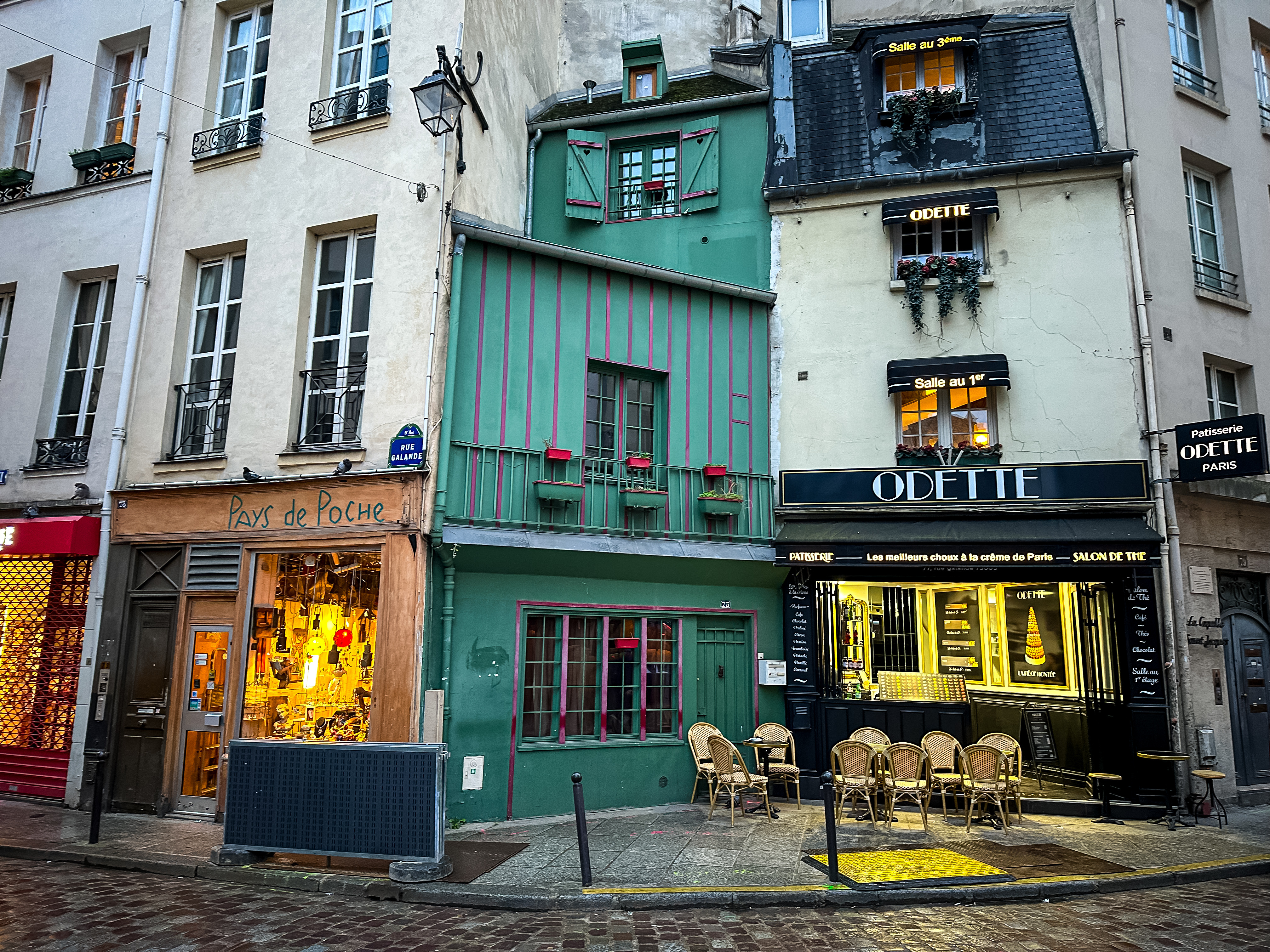
Le Marais is often associated with museums, boutiques, and historic mansions, but much of its character is concealed behind doorways and archways. Many hôtels particuliers, aristocratic residences built between the 16th and 18th centuries, now shelter quiet courtyards that feel removed from the city entirely. A bike allows brief glimpses into this layered architecture. Through open gates, you may see stone staircases, symmetrical gardens, or worn cobblestones that predate the surrounding city blocks. These spaces were once private worlds of nobility, and many still preserve that sense of enclosure.What makes them remarkable is the contrast. Step back out, and you are immediately reabsorbed into the rhythm of modern Paris. The transition is almost imperceptible unless you are moving slowly enough to notice it.
The Green Edges of the City That Most Visitors Miss
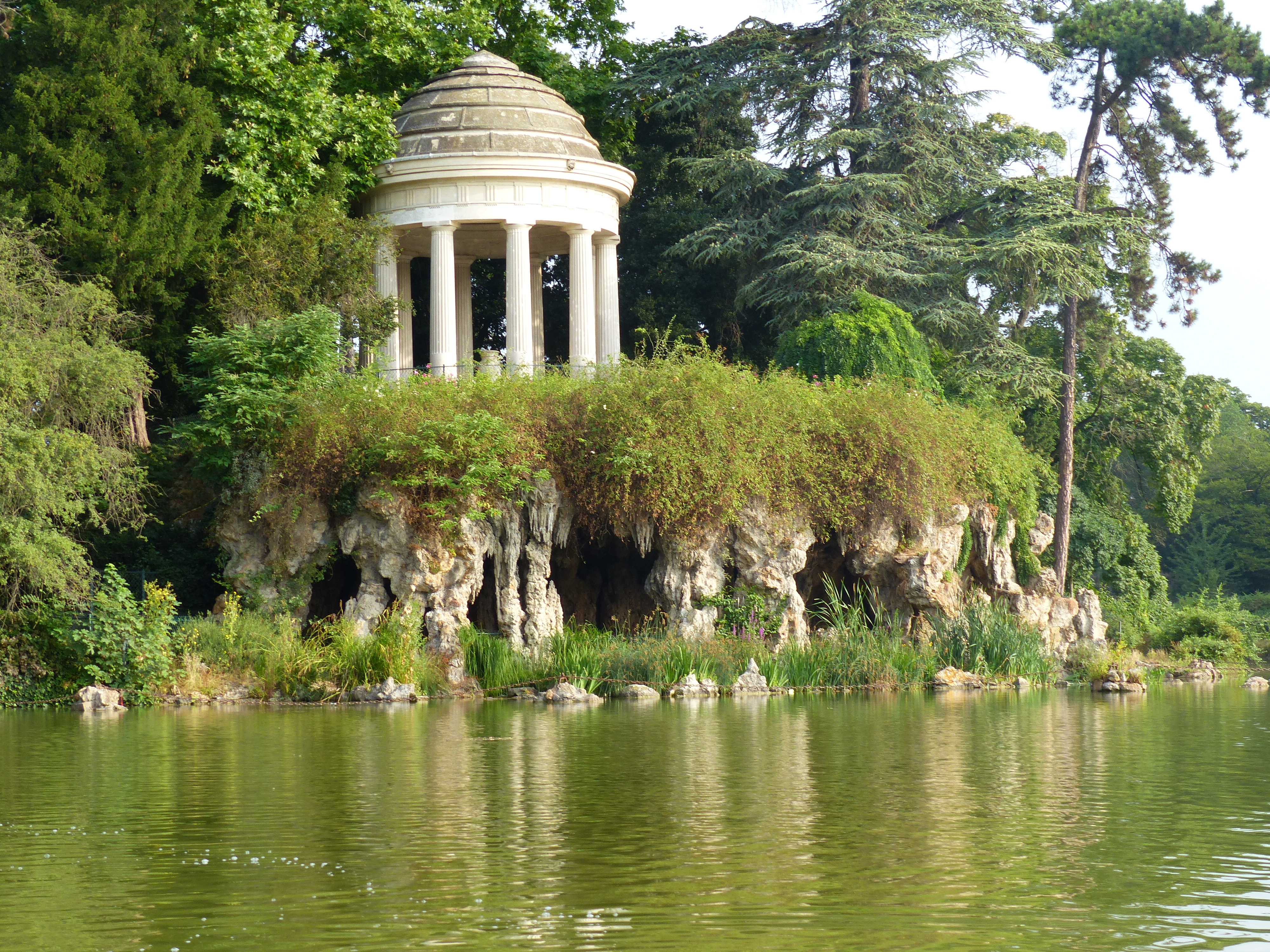
Beyond the central arrondissements, Paris gradually softens into unexpected green spaces. The Coulée verte René-Dumont, built on a former railway line, stretches above street level, creating a suspended garden pathway. Further out, the Bois de Vincennes and Bois de Boulogne expand the city into forest-like landscapes. These areas are rarely part of standard itineraries, yet they reveal an essential part of Parisian life: the integration of nature into urban structure. On a bike, the transition from stone to greenery feels continuous rather than abrupt. The city does not end so much as it changes tone. These edges are where Parisians often retreat, not to escape the city, but to experience another version of it.
Why These Places Disappear Without Movement
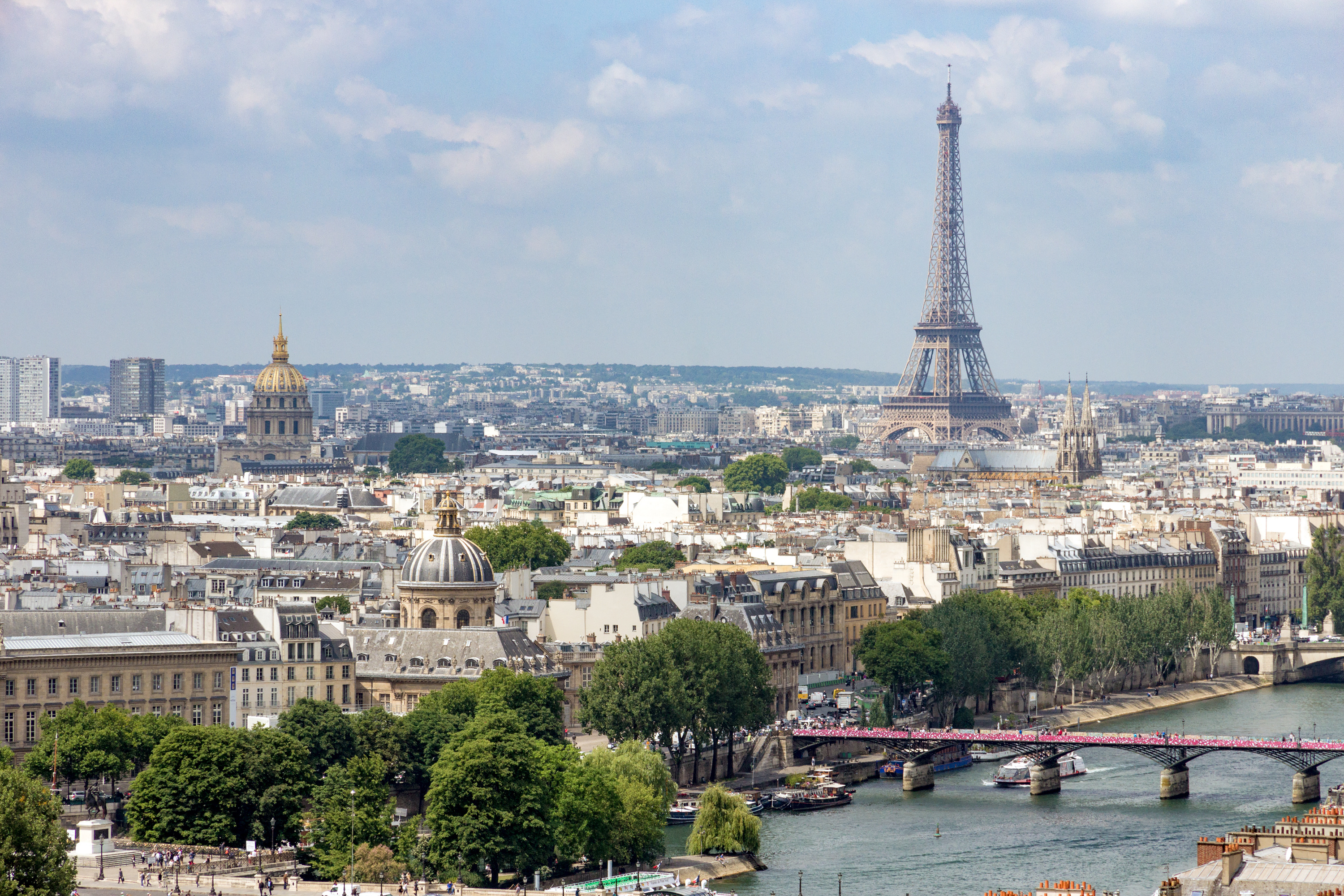
What unites these hidden gems is not their secrecy, but their scale. They exist in spaces too small for buses and too transitional for walking tours focused on destinations. They reveal themselves in motion, where attention is not fixed but fluid. Walking often slows you down to a point where direction becomes dominant. Driving removes proximity entirely. Cycling sits in between. It allows awareness of distance and detail at the same time, making it possible to notice what lies between the famous points on the map. In this sense, the hidden Paris is not a separate city. It is the connective structure of the visible one.
Seeing Paris as a Network Rather Than a List of Landmarks
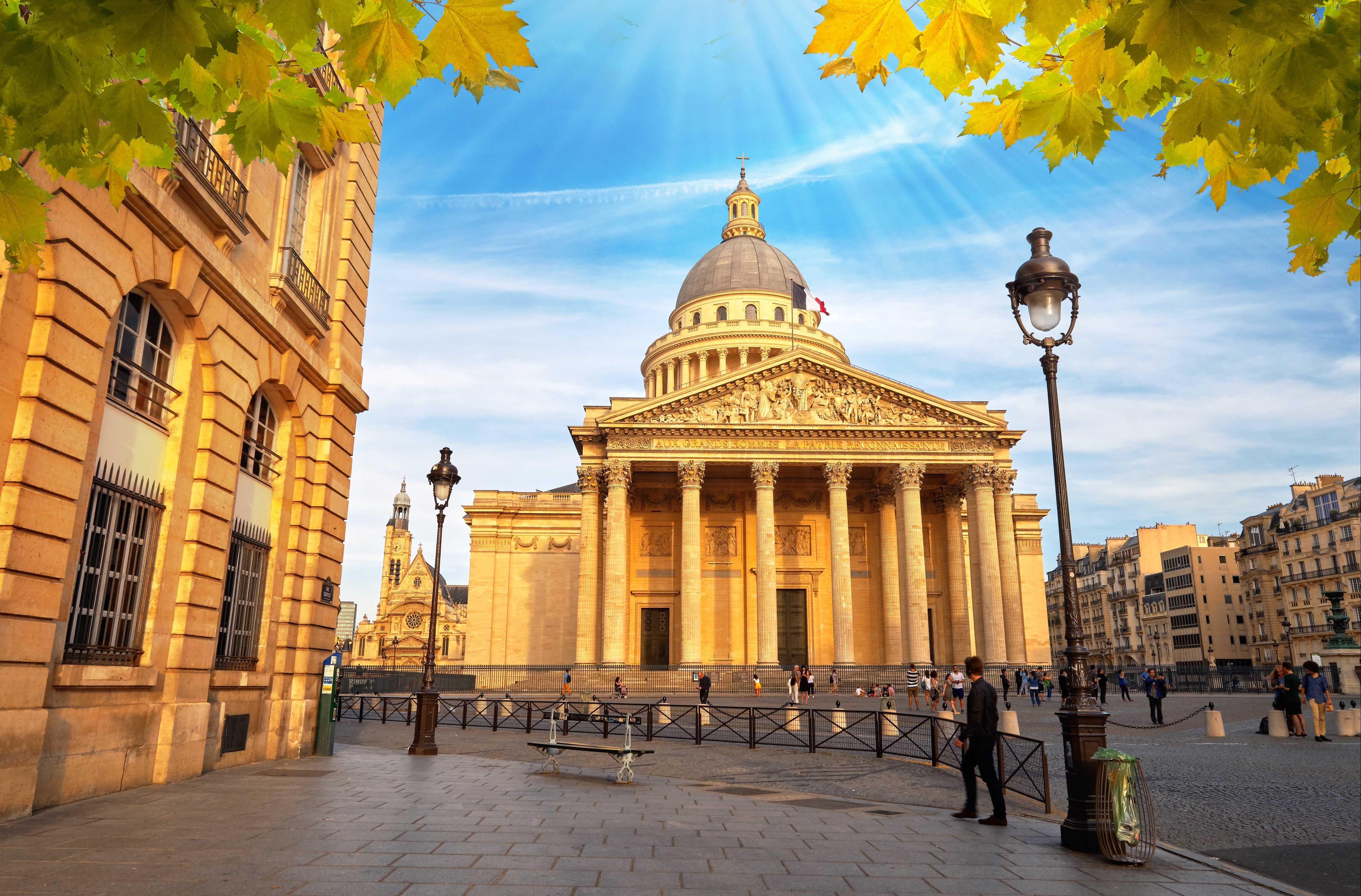
Most visitors experience Paris as a sequence of highlights. But the city is not built as a checklist. It is constructed as a network of transitions, where meaning often appears in the movement between places rather than the places themselves. Bike tours naturally expose this structure. A bridge is not just something to photograph. It becomes a threshold between moods. A street is not just a route. It becomes a shift in atmosphere. Even distance becomes part of the experience, not something to minimize.
Experiencing the City Beyond the Obvious Routes
To understand Paris fully, it helps to move through it in a way that allows for deviation. The most memorable moments are often not planned stops, but unexpected discoveries along the way. A hidden courtyard, a silent canal bend, a glimpse of old stone behind modern glass. Blue Fox Travel Paris organizes the perfect hidden-gems tours, taking customers to the city's best-kept secret spots. Their bike tour is simply called Secrets of Paris.