Is Paris Safe for American Tourists?
Oct 12, 2026 |
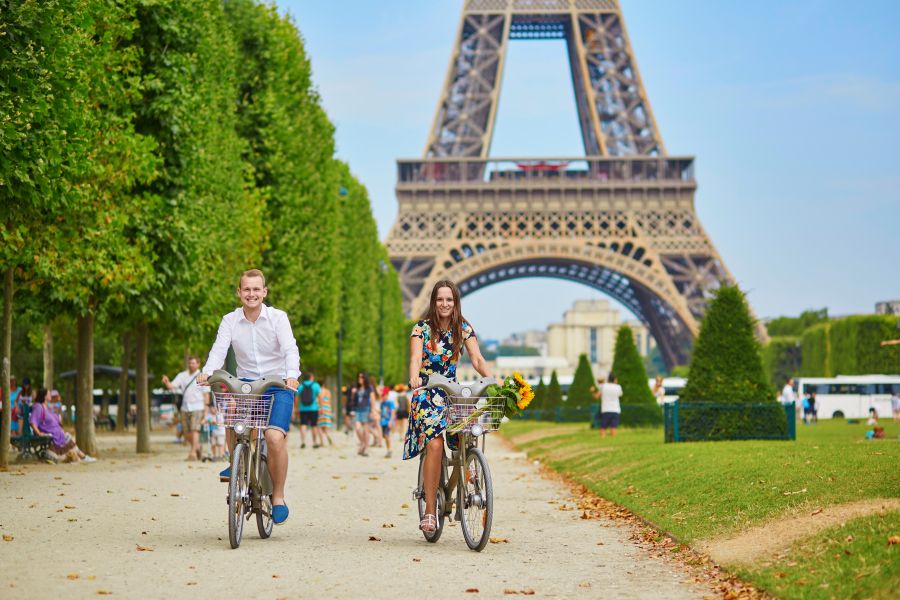
Paris has a way of making visitors forget about everything except the city itself. The light falling across Haussmannian façades, the sound of café conversations spilling onto the pavement, and the quiet rhythm of life along the Seine create an atmosphere that feels both familiar and entirely different. Yet, for many American travelers, one practical question comes before the excitement: is Paris safe?
The answer is reassuring, with a few important qualifications. Paris is a major European capital that welcomes millions of international visitors each year. Most trips are uneventful, but like any large city, it requires awareness, particularly in crowded tourist areas, on public transport, and late at night. Understanding how the city works makes it easier to move through it confidently and enjoy the experience without unnecessary worry.
General Safety Overview
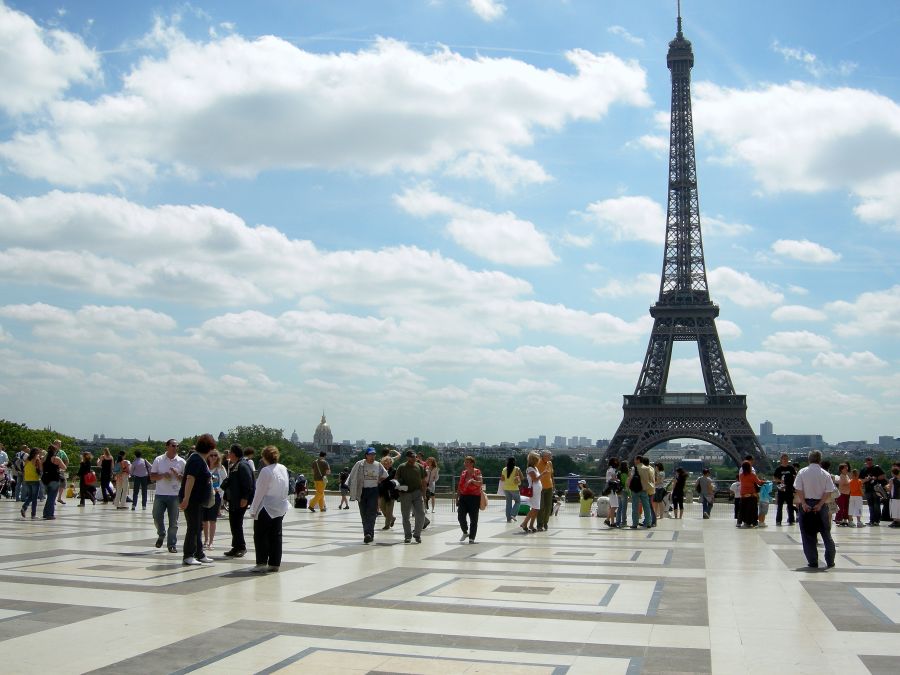
Paris is generally a manageable destination for American tourists, especially when visitors take ordinary precautions. Violent incidents involving tourists are not the main concern for most travelers. Petty theft, pickpocketing, phone snatching, and occasional tourist scams are more common issues to keep in mind. The city's busiest landmarks naturally attract people from around the world. Areas around the Eiffel Tower, the Louvre, Montmartre, and major railway stations can become crowded, creating opportunities for opportunistic theft. A relaxed attitude does not have to mean a careless one. There is also a cultural adjustment to consider. Paris is a dense, active city where people commute quickly, streets can feel busy, and public spaces are shared by residents and visitors. What may initially seem overwhelming often becomes easier to navigate after a day or two. Staying aware of your surroundings, keeping valuables secure, and planning journeys in advance are usually more useful than approaching the city with fear.
Staying Alert and Avoiding Scams
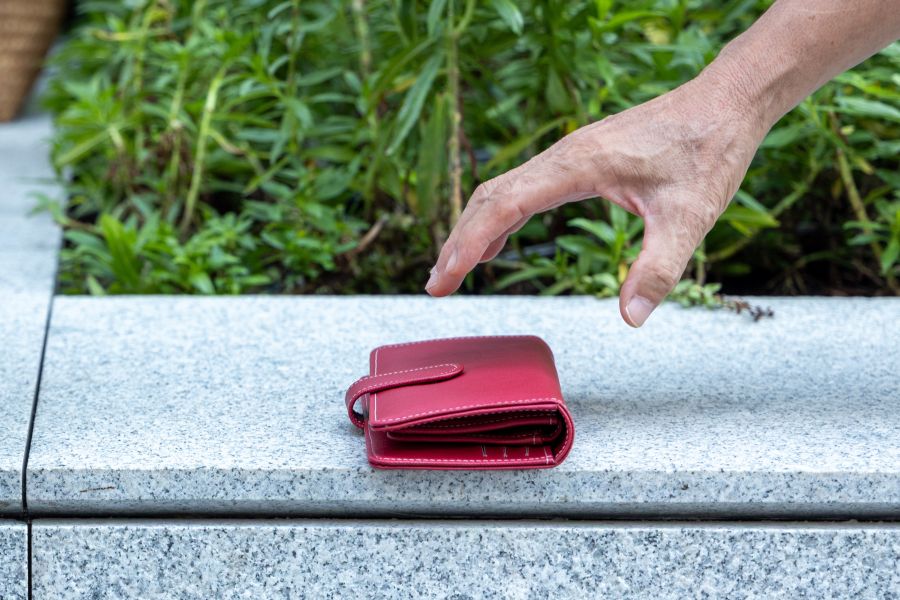
Many of the situations that catch visitors off guard are designed to interrupt their attention. Someone may approach with a petition, offer an unsolicited friendship bracelet, or insist on helping with a donation. Others may create a distraction while an accomplice reaches for a phone or wallet. These encounters are particularly common around major attractions and busy pedestrian routes. The simplest response is often the most effective: remain polite but firm, avoid engaging when uncomfortable, and continue walking. Genuine assistance rarely requires pressure or an immediate payment. Pickpockets tend to benefit from distraction rather than force. A crowded Metro carriage, a busy café terrace, or a queue outside a monument can provide an easy opportunity. Keep your phone secure when not in use, close bags fully, and avoid placing wallets in back pockets. When sitting outside, do not leave a phone on the table within easy reach. Restaurants and taxis also deserve a little attention. Check menu prices before ordering, confirm the destination with your driver, and use licensed taxis or established ride-hailing services. These are simple habits, but they help prevent small misunderstandings from becoming an unpleasant part of the trip.
Metro and Night Travel
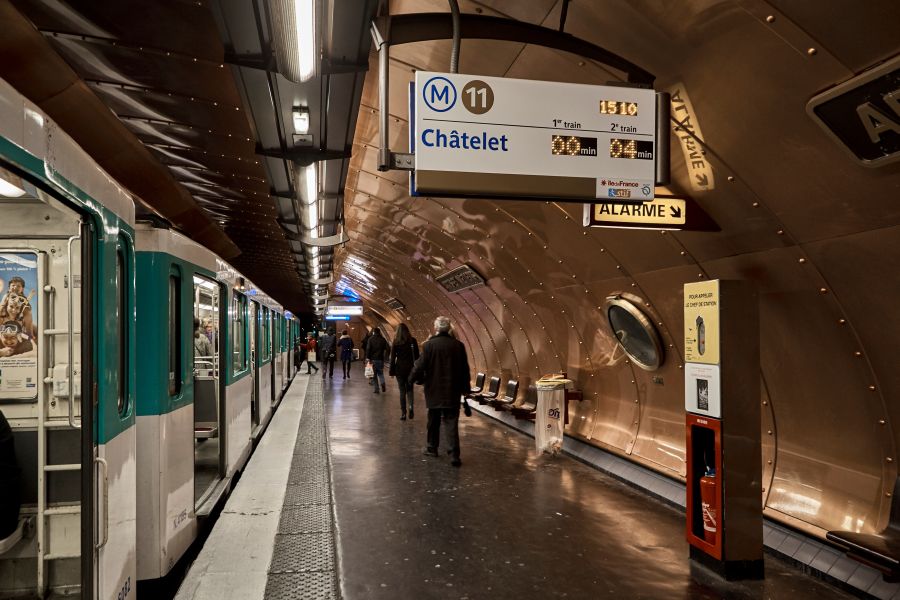
The Paris Metro is one of the most practical ways to explore the city. It connects many major attractions and residential neighborhoods, making it useful for visitors who want to see more than the familiar postcard views. During the day, it is generally straightforward to use, although crowded trains call for extra attention to belongings. At night, the experience depends on the route, the station, and the hour. Central neighborhoods often remain lively well into the evening, particularly around restaurants, theatres, and popular streets. Quieter stations, poorly lit streets, and nearly empty carriages may feel less comfortable, especially for travelers unfamiliar with the city. The Metro does not operate throughout the night, so check the last train before setting out. If you return late, stay in well-lit areas, travel with companions when practical, and consider a licensed taxi or ride-hailing service when public transport is no longer convenient. It is worth remembering that Paris after dark is not one uniform environment. A busy boulevard and an isolated station entrance can feel very different, even within the same neighborhood. Choosing your route thoughtfully is often more important than avoiding evening travel altogether.
Medical and Emergency Preparedness
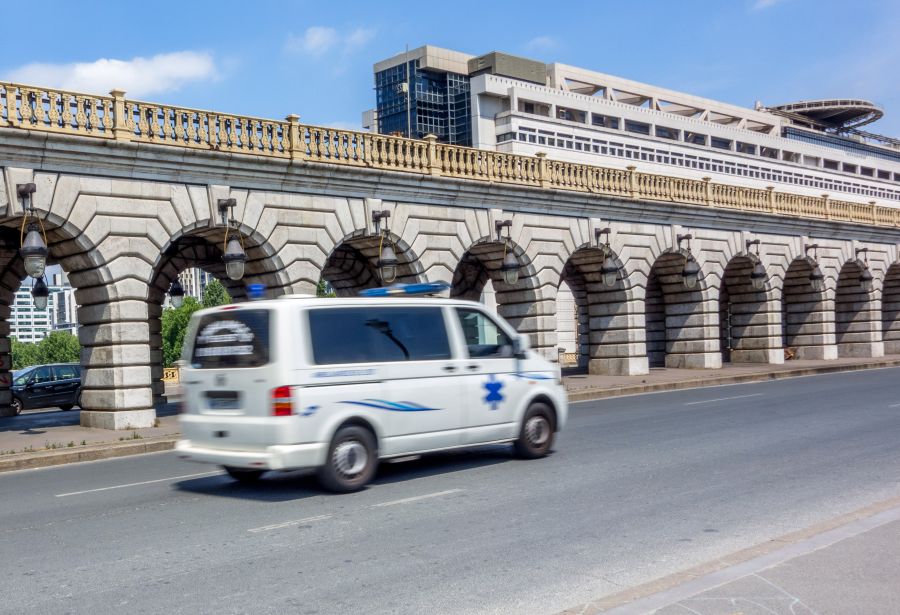
Safety also means knowing what to do if something unexpected happens. In France, the European emergency number is 112. For medical emergencies, visitors can also call 15 for emergency medical assistance, while 17 connects callers to the police. The fire and rescue service can be reached at 18. American travelers should save these numbers before departure rather than searching for them during a stressful moment. It is also sensible to carry travel insurance details, a list of essential medications, and the contact information for the nearest U.S. Embassy or Consular Agency. Paris has hospitals, pharmacies, and medical professionals accustomed to treating international visitors. Pharmacies are identifiable by their green illuminated crosses, and pharmacists can often help with minor health concerns. However, travelers should not assume that every provider will speak fluent English or that their American health insurance will cover treatment directly. Keep copies of important documents separate from the originals, and know how to contact your bank if a payment card is lost or stolen. A little preparation can make an unexpected problem considerably easier to manage.
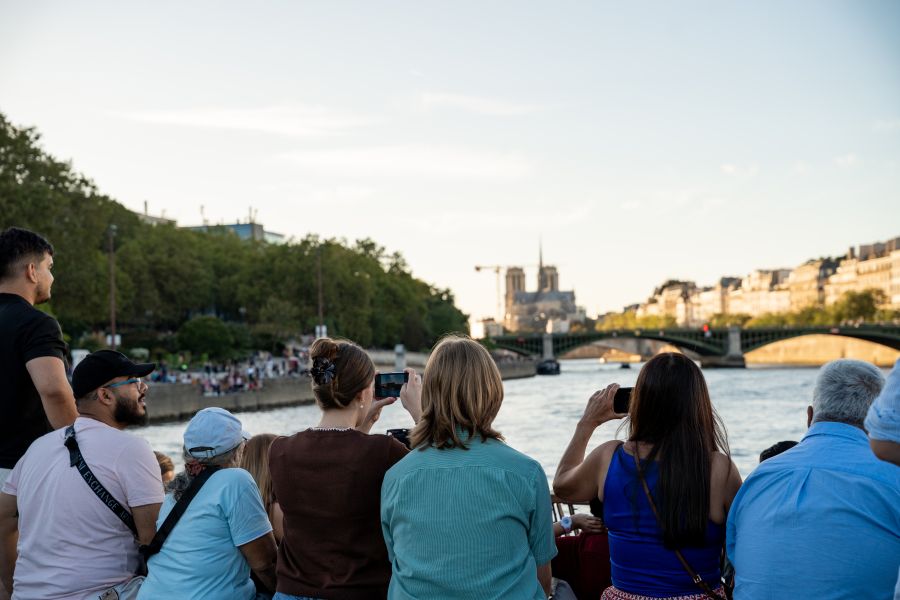
Traveling Smart Without Missing the Experience
- The best way to stay safe in Paris is not to spend the entire visit watching for danger. It is to build sensible habits into the journey so they become almost automatic.
- Before leaving your accommodation, check your route and the day's plans.
- Keep only the essentials with you, secure your passport when it is not needed, and use an ATM in a well-lit, reputable location.
- At crowded landmarks, pause somewhere less congested before checking your phone or looking through your bag.
Neighborhood awareness matters, too. Paris is made up of distinct districts, each with its own pace and atmosphere. Exploring beyond the busiest monuments can reveal quieter streets, local markets, neighborhood bakeries, and small museums that many first-time visitors overlook. The goal is not to avoid the city, but to understand it well enough to move through it comfortably. For American tourists, the adjustment is often less about danger than about learning a different urban rhythm. A little patience with public transport, attention to personal belongings, and respect for local customs go a long way.
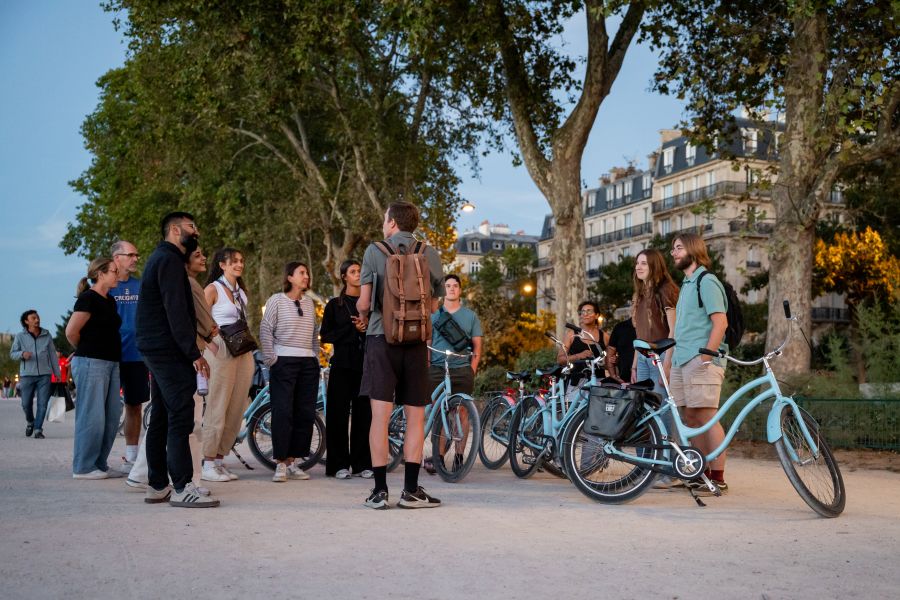
Experiencing Paris With Greater Confidence
Paris becomes more rewarding when visitors understand the places they are seeing rather than simply moving between famous landmarks. Knowing the history of a neighborhood, recognizing how its streets developed, or understanding the traditions behind a local market can transform an ordinary walk into a richer experience. Blue Fox Travel offers guided experiences that help visitors explore Paris and its surroundings with greater historical and cultural context. For travelers who want to feel more comfortable navigating unfamiliar places, a guided visit can also provide a useful introduction to local customs, transport connections, and the character of different neighborhoods. A guide cannot remove every uncertainty, but local insight can help visitors feel more oriented and make more informed choices throughout their stay.Paris is not a city that needs to be approached with apprehension. It is a city that rewards curiosity, awareness, and a willingness to slow down. Take sensible precautions, prepare for the unexpected, and leave room for discovery.The aim is not simply to stay safe in Paris. It is to feel confident enough to experience it fully.