Louvre Museum Guide for First-Time Visitors
Jul 21, 2026 | Paris travel tips, Must-see in Paris, Things to do in Paris
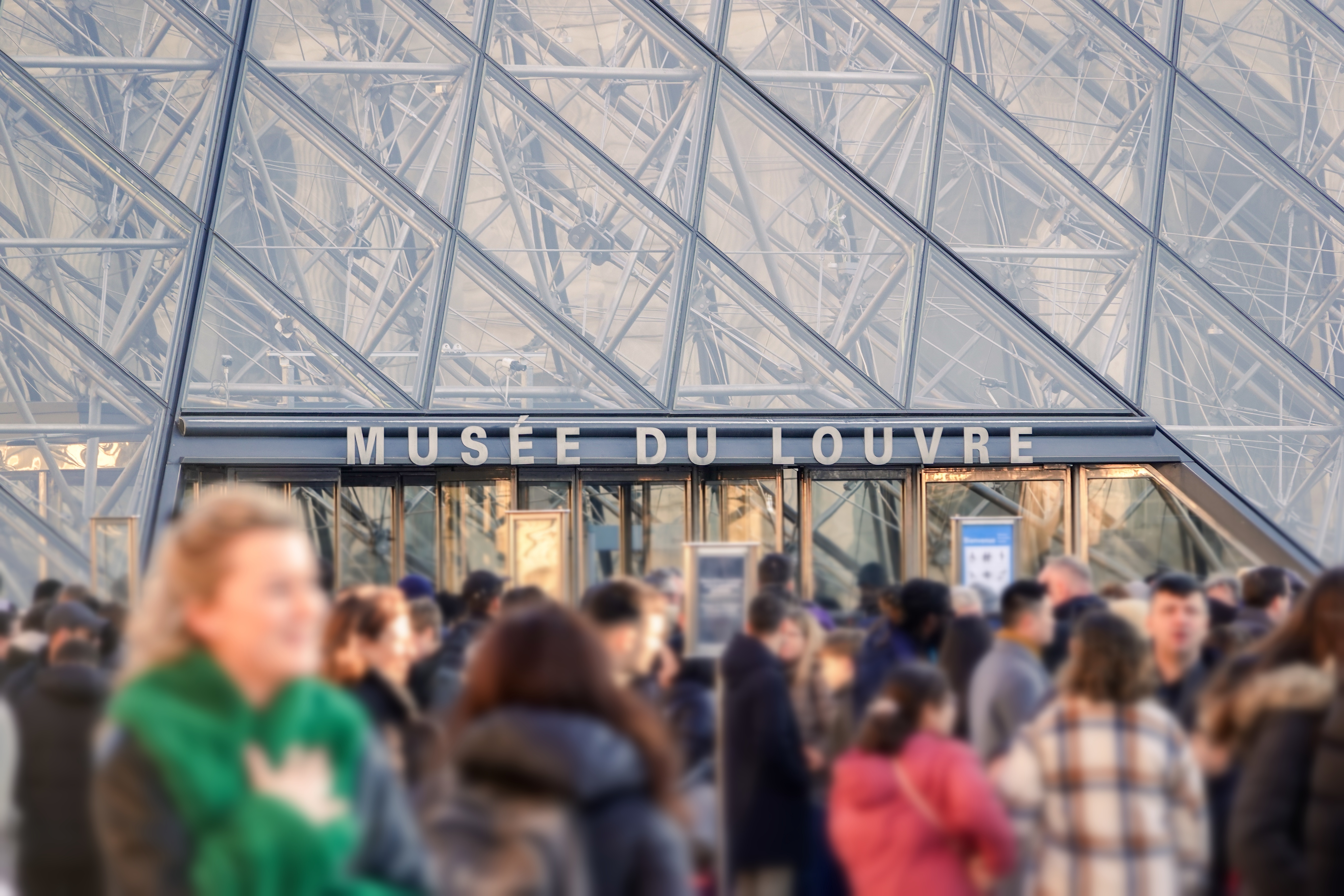
Walking through the grand entrance of the Louvre Museum, you immediately realize why it is one of the most visited museums in the world. Its glass pyramid glimmers in the Parisian sunlight, hinting at the treasures inside. For first-time visitors, the Louvre can feel overwhelming: centuries of art, labyrinthine galleries, and iconic masterpieces all compete for attention. A thoughtful approach transforms a potentially stressful visit into a deeply rewarding experience.
Why the Louvre Is More Than Just the Mona Lisa
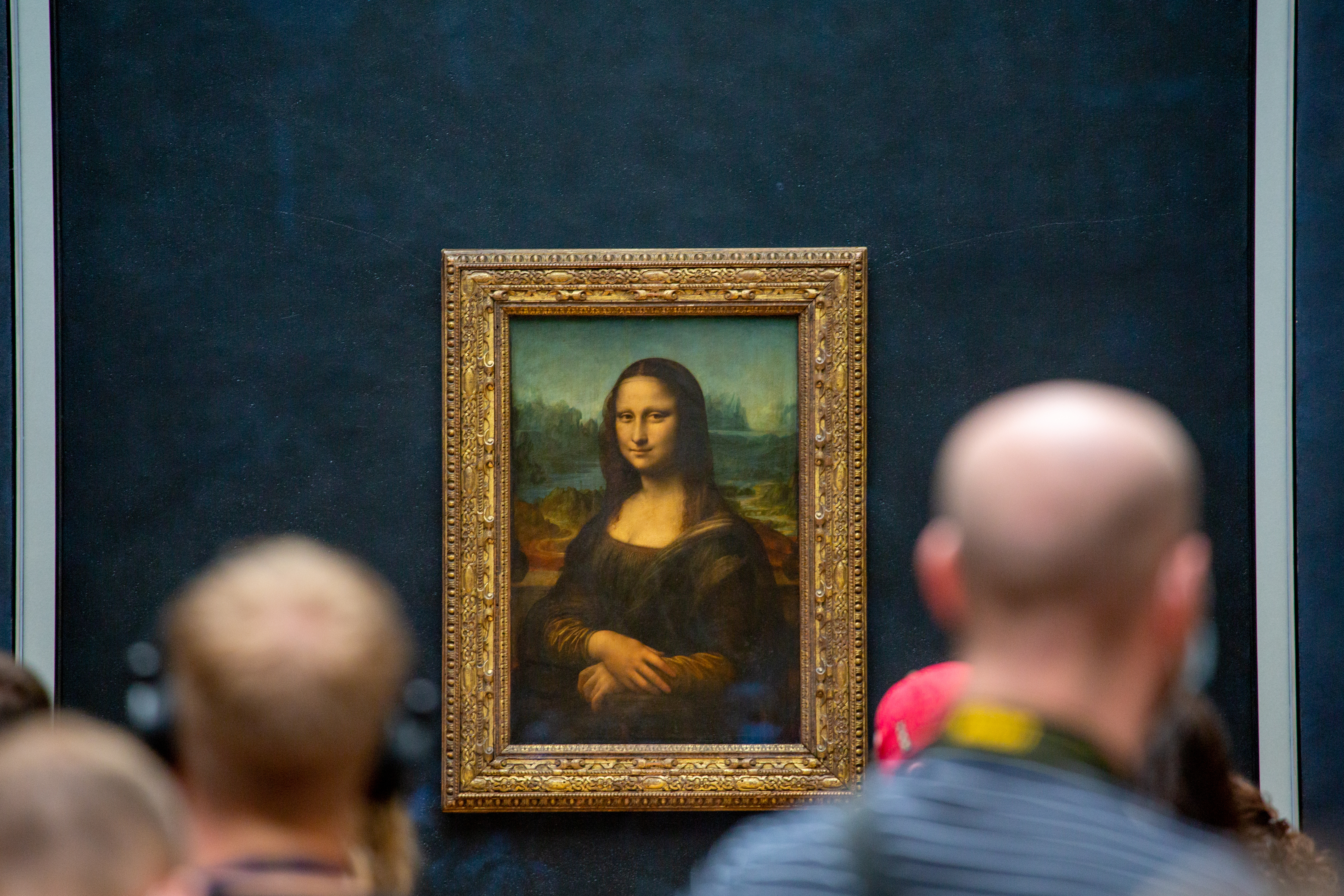
Many travelers associate the Louvre primarily with Leonardo da Vinci’s Mona Lisa, and of course, seeing her smile in person is unforgettable. Yet the museum is home to over 38,000 objects spanning 7,000 years of art and history. From Greek sculptures to Egyptian antiquities, French paintings to Islamic art, the breadth is staggering. Understanding this context before entering helps first-time visitors set priorities and avoid feeling rushed.
A Walk Through History
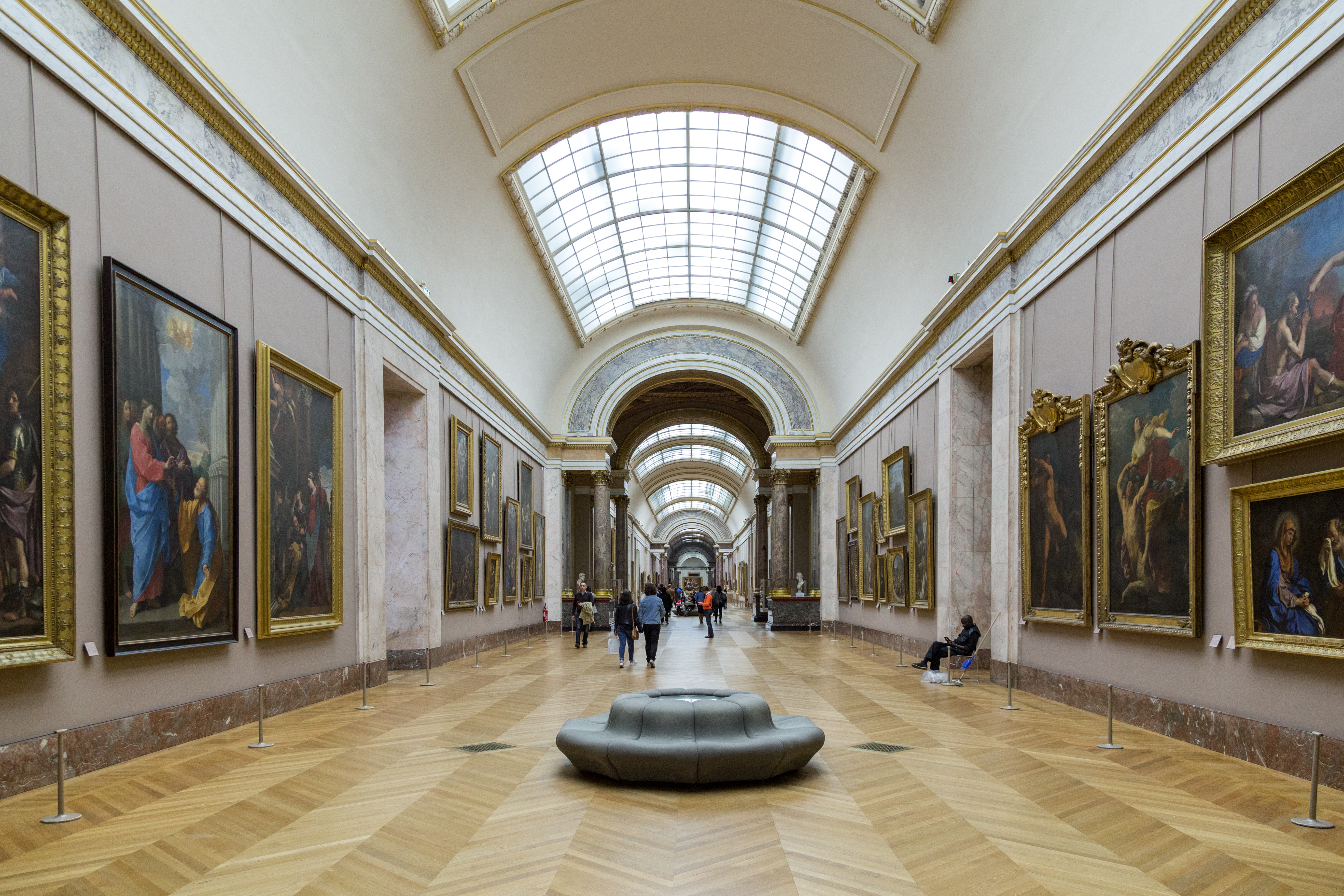
The Louvre’s story is as captivating as the artworks it houses. Originally a medieval fortress, it became a royal palace before transforming into a public museum during the French Revolution. Walking through its halls, you trace centuries of French history: monarchy, revolution, and cultural ambition-while observing the evolution of artistic styles across Europe, the Mediterranean, and beyond. This historical lens gives each gallery deeper significance, making the visit more than a collection of paintings and sculptures.

Planning Your Visit
First-time visitors should plan their route carefully. The museum is divided into three wings: Denon, Sully, and Richelieu. Denon houses major highlights such as the Mona Lisa, the Venus de Milo, and The Winged Victory of Samothrace. Sully features Egyptian and Near Eastern antiquities, while Richelieu displays French sculptures and decorative arts. Allocating time according to personal interests ensures a meaningful visit.
Tips for Experiencing the Museum
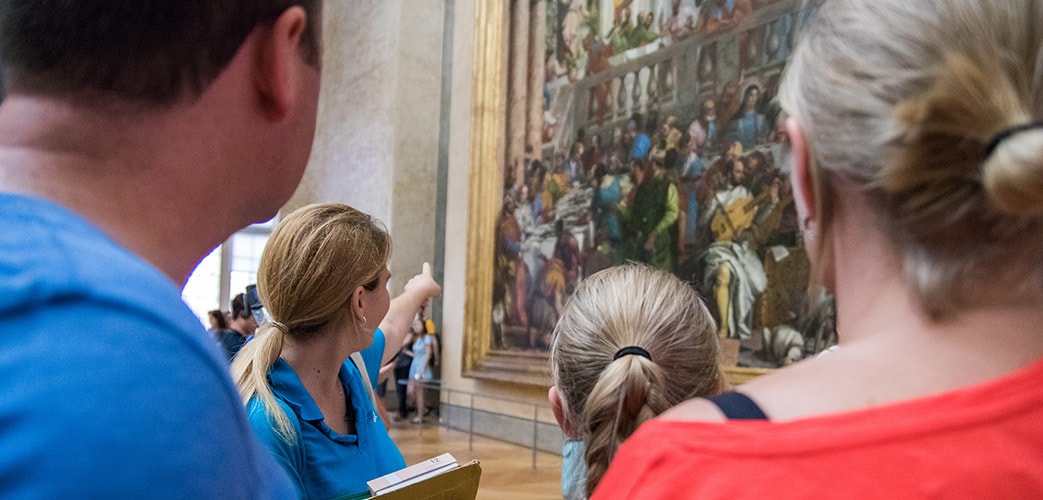
The sheer scale of the Louvre can be daunting. Early morning visits or weekday afternoons often provide a calmer experience. Consider guided tours or audio guides to add context to the works on display. Pause to truly absorb the details of sculptures, paintings, and architectural features, rather than rushing from one highlight to the next. Hidden corners, quiet galleries, and less famous works often leave lasting impressions.
Why Visitors Often Miss the Nuances
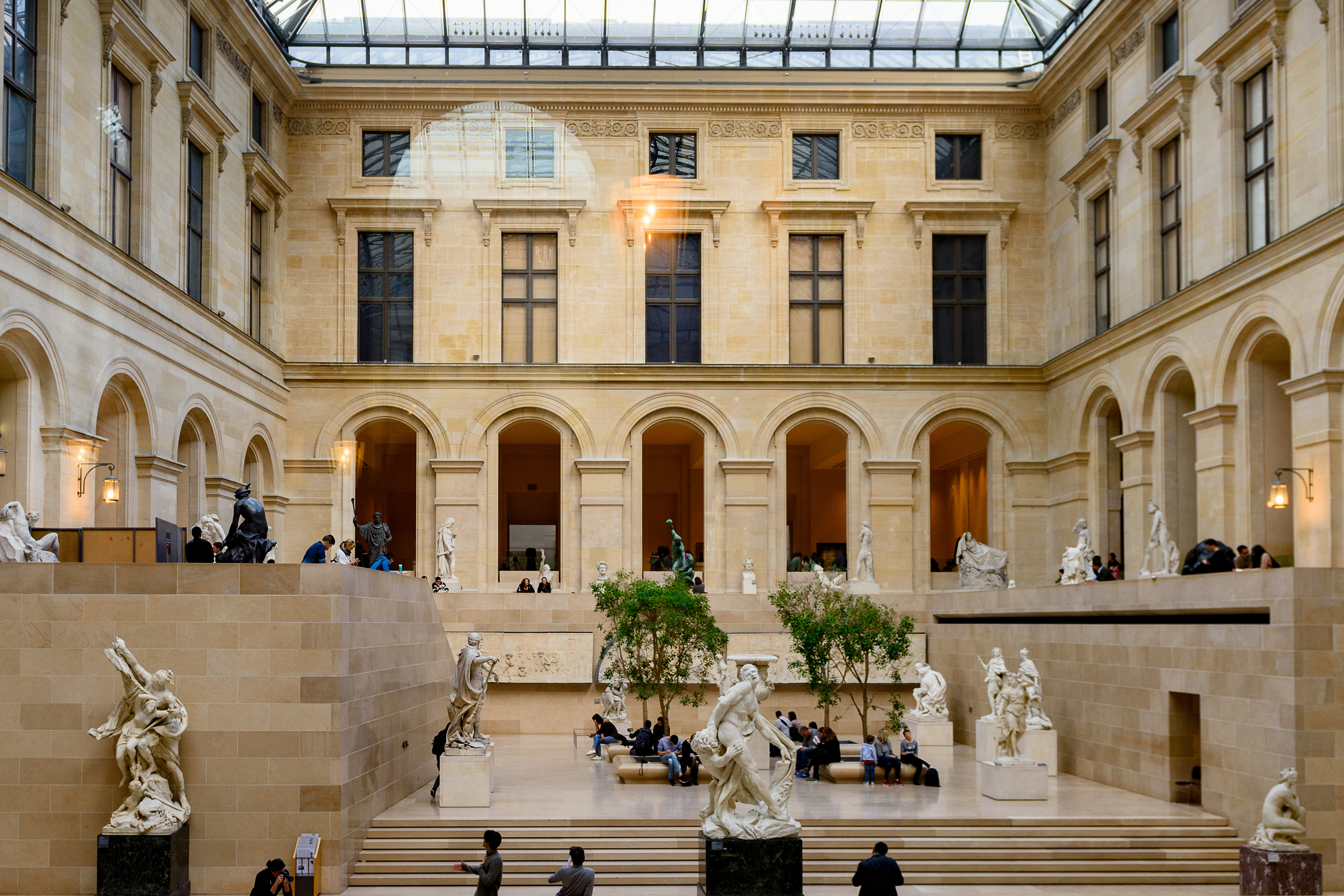
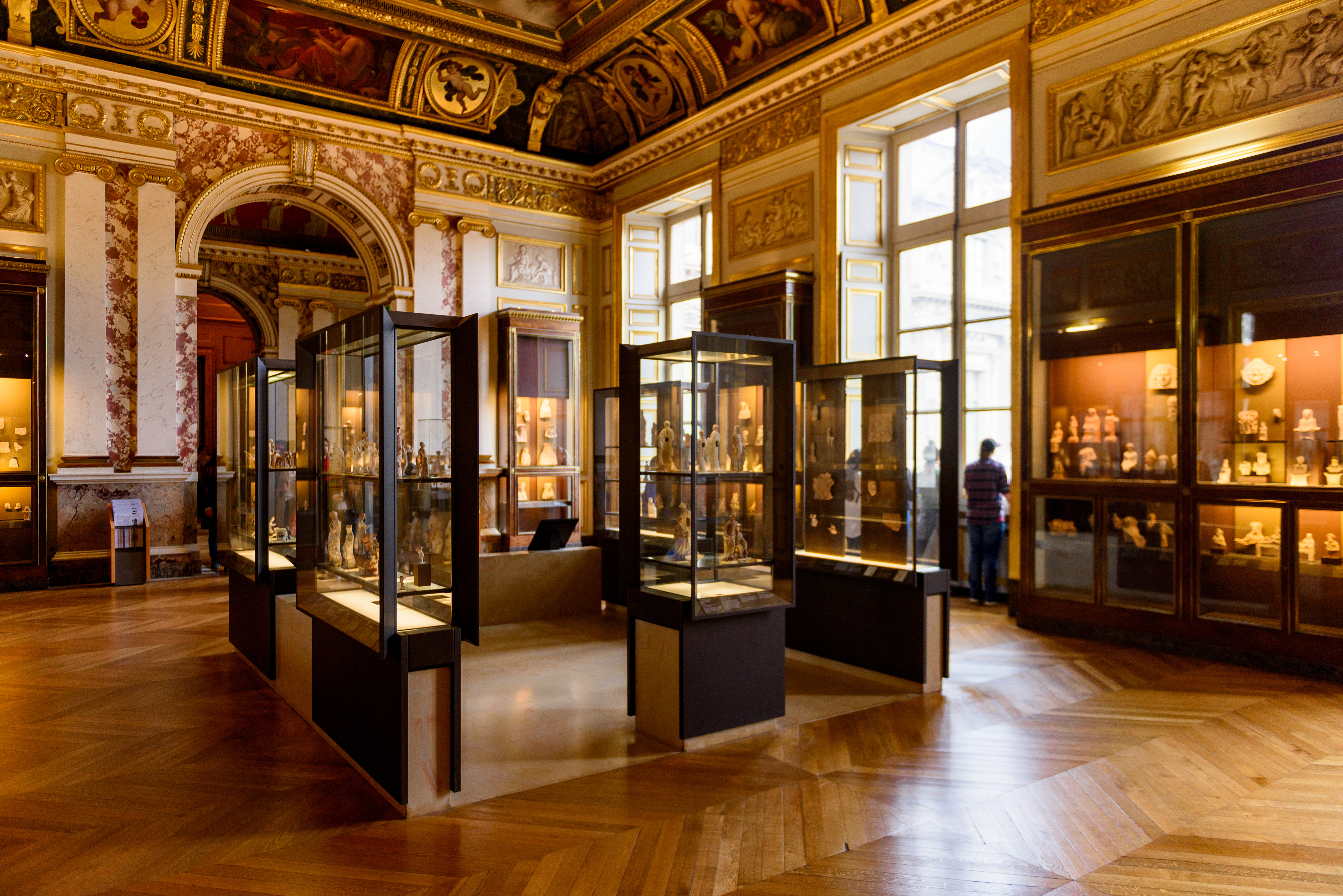
Many first-time travelers focus solely on iconic masterpieces, missing smaller but equally fascinating pieces. Details such as subtle symbolism in paintings, intricate carvings, or historical inscriptions reveal stories that span centuries. A little patience and curiosity can uncover connections between different periods, cultures, and artistic techniques, enhancing appreciation for the museum’s depth.

Experiencing the Louvre Beyond Art
Beyond the artworks, the Louvre offers architectural marvels, beautiful courtyards, and reflective spaces perfect for rest and reflection. The Cour Napoléon, with its iconic pyramid, and the medieval foundations visible in the Sully Wing, offer visitors a sense of the museum’s evolution over time. These spaces are integral to the experience and invite moments of quiet contemplation amid the crowds.
Enhancing Your Visit With Expertise
For those seeking a richer and more structured experience, Blue Fox Travel provides private guided tours tailored for first-time visitors, offering insights into both the Louvre’s masterpieces and its hidden treasures, ensuring that every visitor gains a meaningful understanding of this world-renowned museum.
Families traveling with children often face a unique challenge: the Louvre is immense, with over 700 years of history layered into its walls, and it can feel overwhelming for younger visitors. To address this, Blue Fox Travel offers a Louvre Adventure Tour specifically designed to make the museum fun and engaging for the whole family.
This interactive tour turns the visit into a treasure hunt, with challenges and clues guiding participants from one masterpiece to another. Guides on the tour know how to engage young minds, avoiding dry facts or lengthy lectures.