Why Visit the Somme Battlefields?
Jul 8, 2026 | French Regions
There are places where history feels distant, safely contained within the pages of a book. Then there are places where the past seems to linger in the landscape itself. The Somme Battlefields, stretching across the peaceful countryside of northern France, belong to the latter. Rolling fields, quiet villages, and gently winding roads reveal little at first glance. Yet beneath this calm scenery lies one of the defining battlefields of the First World War, where millions of lives were forever changed. Visiting the Somme is not simply about learning military history. It is about understanding the human stories that shaped modern Europe.
More Than a Battlefield: A Landscape of Memory
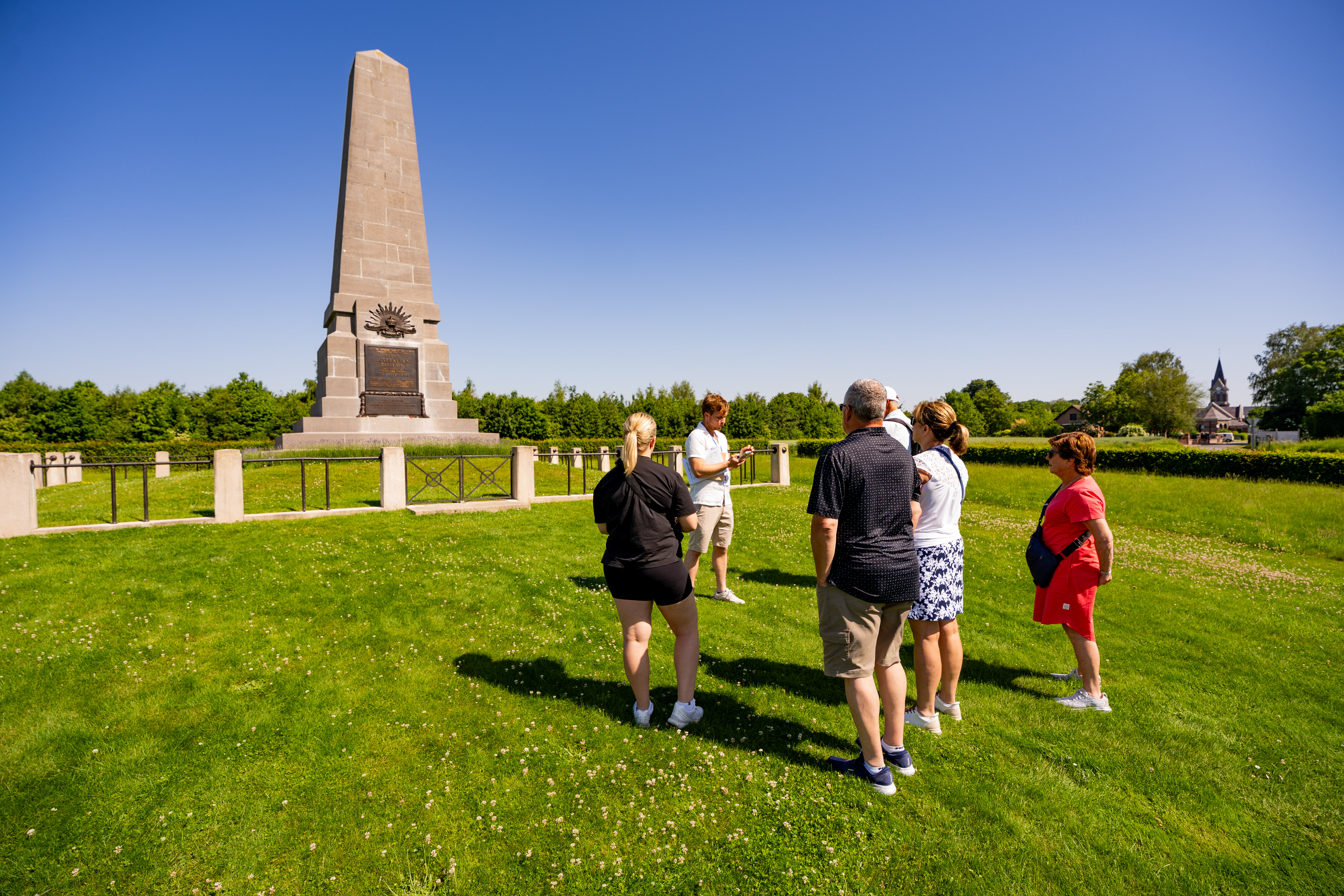
The Somme is not remembered solely because of the military operations that took place here. It has become an international place of remembrance. Soldiers from Britain, France, Canada, Australia, New Zealand, South Africa, Ireland, and many other nations fought across these fields, making the region deeply meaningful for families around the world.
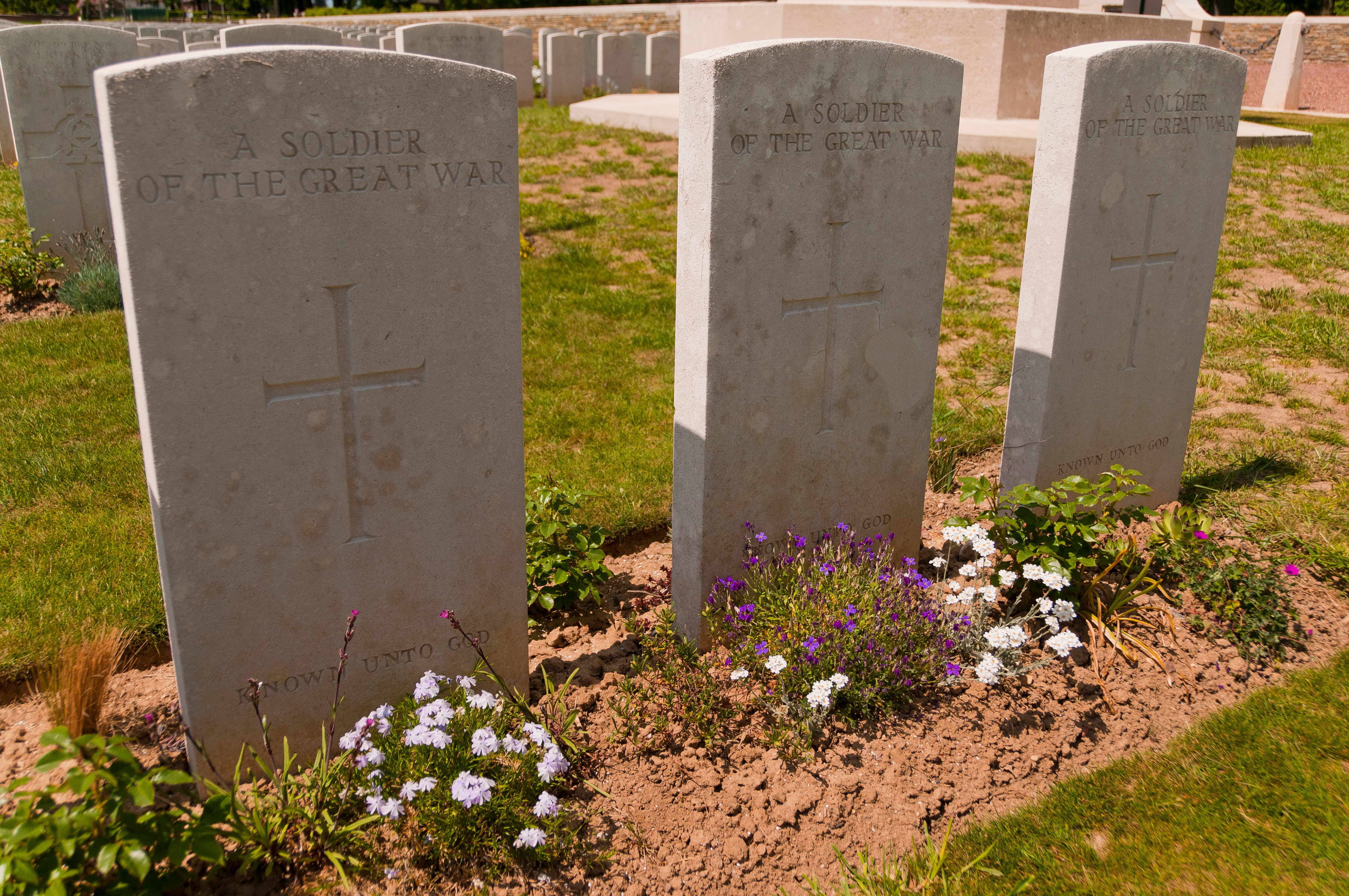
The Thiepval Memorial to the Missing stands as one of the most moving monuments in Europe. Designed by Sir Edwin Lutyens and inaugurated in 1932, it bears the names of more than 72,000 British and South African soldiers who have no known grave. Nearby cemeteries maintained by the Commonwealth War Graves Commission reflect an enduring commitment to preserving the memory of every individual, regardless of rank.
Walking through these memorials reveals that the Somme is as much about remembrance as it is about military history.
Experiencing the Somme Today
Despite its tragic past, the Somme today is remarkably peaceful. Vast open fields sway with wheat and poppies during the summer months, while quiet country roads connect villages rebuilt after the war. The contrast between the serene landscape and the unimaginable violence that once unfolded here creates an emotional experience unlike almost any other historical destination.
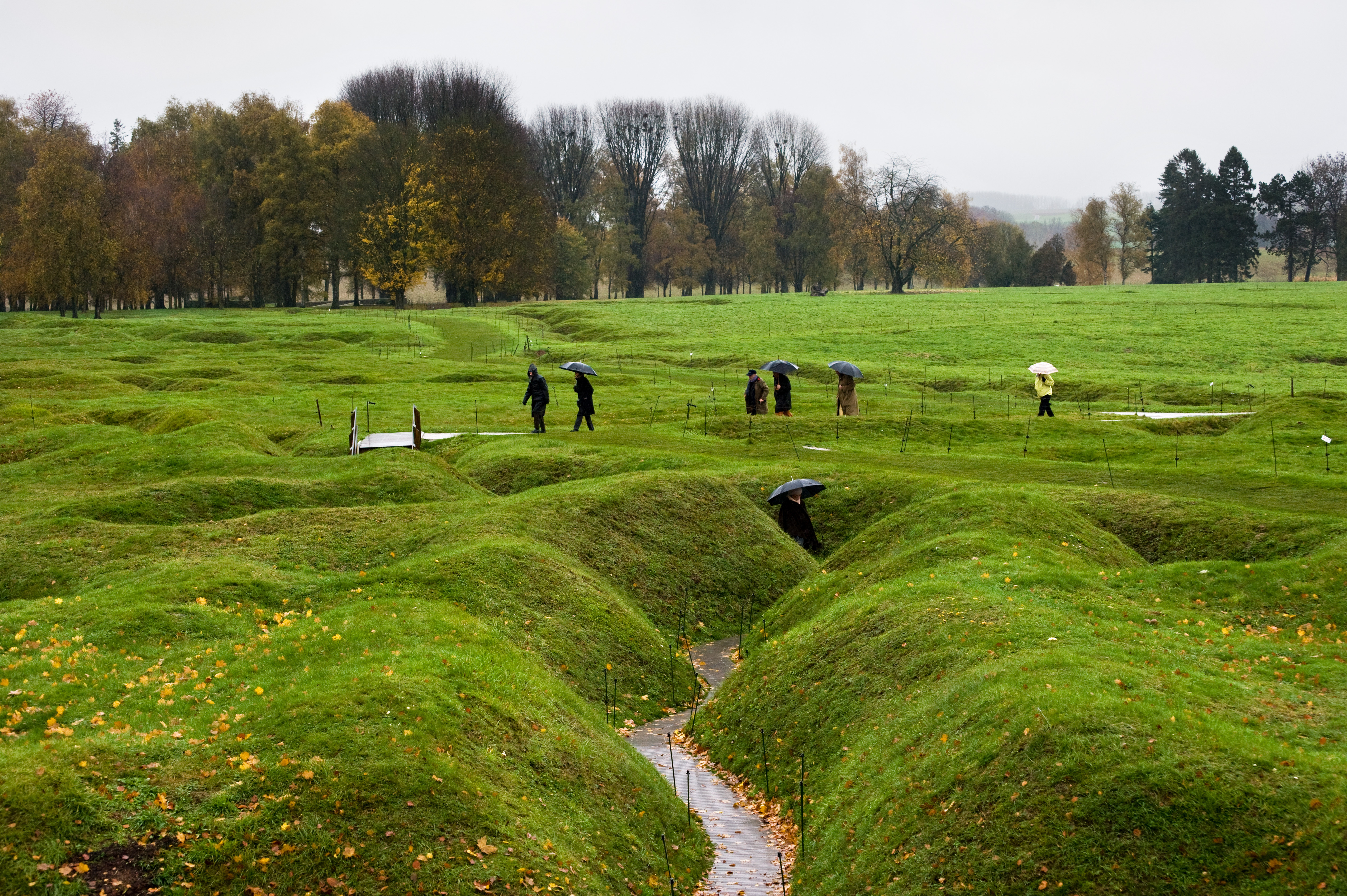
Standing inside the enormous Lochnagar Crater, created by one of the largest mines ever detonated during the First World War, offers a striking sense of scale. Exploring preserved trench systems at Beaumont-Hamel allows visitors to appreciate the impossibly short distances that separated opposing armies. These places transform statistics into something tangible, making history deeply personal.
It is often in the silence between the memorials that the significance of the Somme becomes most powerful.
Why Many Visitors Miss Its True Importance
Many travelers know the Somme only as the location of a famous battle, yet without historical context, much of its significance can easily be overlooked. The landscape appears ordinary because nature has reclaimed what war once destroyed. Trenches have softened, villages have been rebuilt, and farmland now covers former battlefields.
Understanding what happened here requires more than simply visiting monuments. Knowing why the offensive was launched, how new military technologies changed warfare, and how the battle influenced later campaigns provides a much richer perspective. The Somme also marked a turning point in how nations remembered war, inspiring new approaches to memorial architecture, military cemeteries, and collective remembrance that continue to shape commemorative practices today.
Blue Fox Travel's Somme Battlefields tour brings these stories to life through expert historical interpretation, allowing visitors to understand not only where the events occurred, but why they continue to resonate across generations.
The Somme Battlefields are not simply a destination for military enthusiasts. They are a place where history, memory, and humanity intersect. Walking these peaceful fields reminds us that behind every monument is a life, behind every cemetery a family, and behind every battle a lesson that remains profoundly relevant today.